
Skip to content
Search

Latest Stories

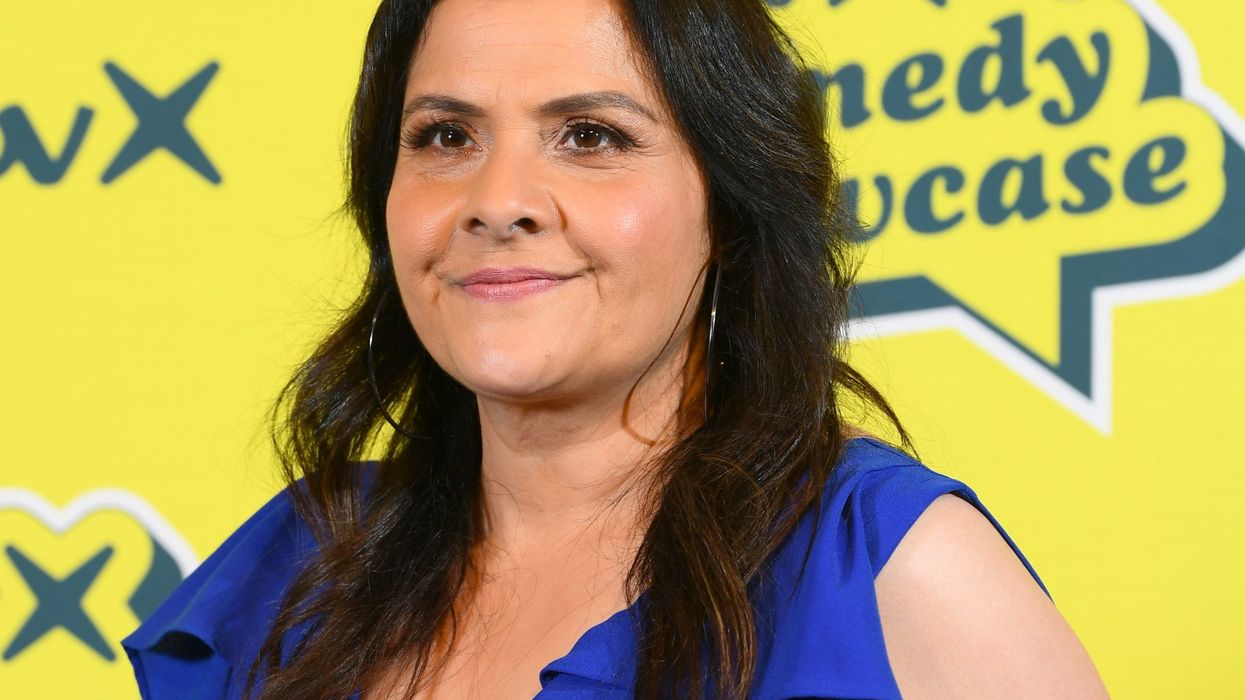
EastEnders star Nina Wadia admits paying Zainab Masood ‘ruined’ her career

For the unversed, Wadia, 54, played the said character on EastEnders from 2007 to 2013 and received a great response for her performance.

EastEnders star Nina Wadia admits paying Zainab Masood ‘ruined’ her career

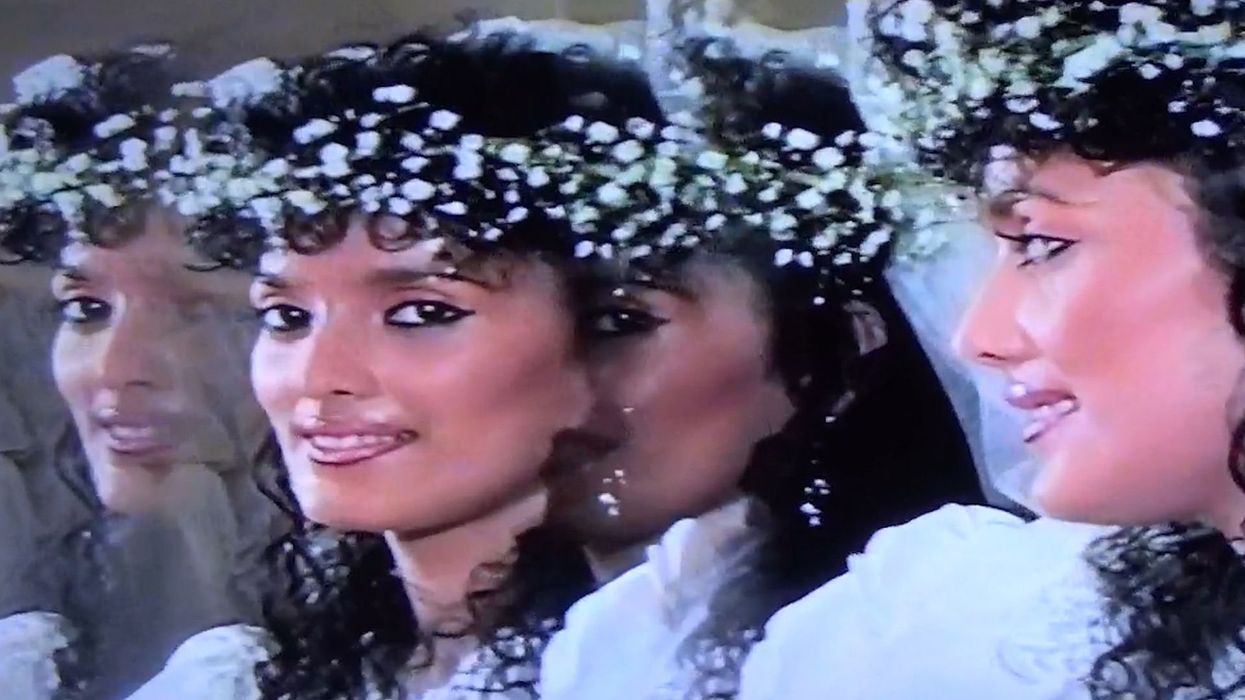
Actress Nina Wadia, who was recently seen in Netflix's The Sandman and Disney’s live-action Aladdin, has revealed that playing the role of Zainab Masood in EastEnders temporarily “ruined” her career.

For the unversed, Wadia, 54, played the said character on EastEnders from 2007 to 2013 and received a great response for her performance.


Joining Thursday’s episode of Loose Women, the actress said, “It was fun. I loved my time on EastEnders, loved it. I would go back in a heartbeat. It was one of those shows that when I was in it, I absolutely did enjoy it. Towards the end… I think I’m one of those actors that needs to be doing different things. There’s a time where you just go, okay I need to do something else, I’m getting a bit bored, the storylines are going over the same ground. I thought maybe I’d go back into comedy, but Zainab Masood ruined my career for a year because no casting director touched me.’

She continued, “My agent would put me forward and they’d go ‘no she’s Zainab’ and I was like ‘I’m not actually Zainab. I can do other things’.”

Her dry spell did not last long and since leaving the show she has played consistently strong roles including in Aladdin opposite Will Smith.

Stay tuned to this space for more updates and reveals.

More For You

Samir Zaidi

Two Sinners marks Samir Zaidi’s striking directorial debut

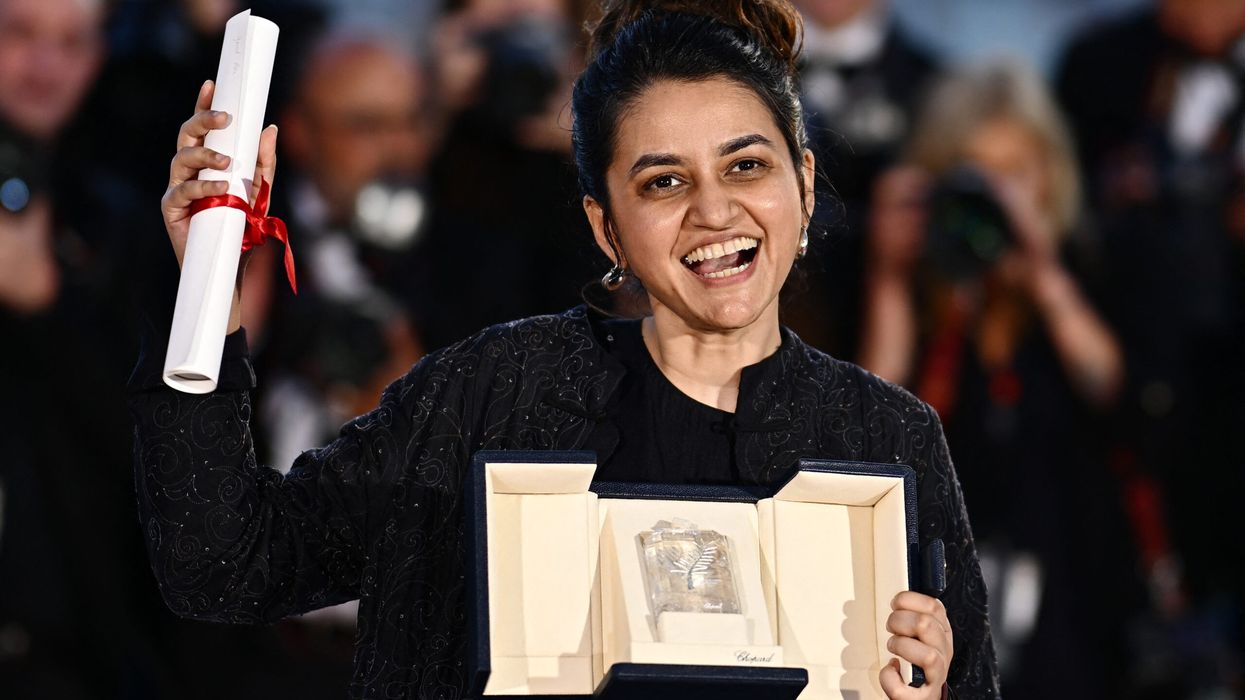
Samir Zaidi, director of 'Two Sinners', emerges as a powerful new voice in Indian film

Indian cinema has a long tradition of discovering new storytellers in unexpected places, and one recent voice that has attracted quiet, steady attention is Samir Zaidi. His debut short film Two Sinners has been travelling across international festivals, earning strong praise for its emotional depth and moral complexity. But what makes Zaidi’s trajectory especially compelling is how organically it has unfolded — grounded not in film school training, but in lived observation, patient apprenticeships and a deep belief in the poetry of everyday life.

Zaidi’s relationship with creativity began well before he ever stepped onto a set. “As a child, I was fascinated by small, fleeting things — the way people spoke, the silences between arguments, the patterns of light on the walls,” he reflects. He didn’t yet have the vocabulary for what he was absorbing, but the instinct was already in place. At 13, he turned to poetry, sensing that the act of shaping emotions into words offered a kind of clarity he couldn’t find elsewhere. “I realised creativity wasn’t something external I had to chase; it was a way of processing the world,” he says. “Whether it was writing or filmmaking, it came from the same impulse: to make sense of what I didn’t fully understand.”

Keep ReadingShow less