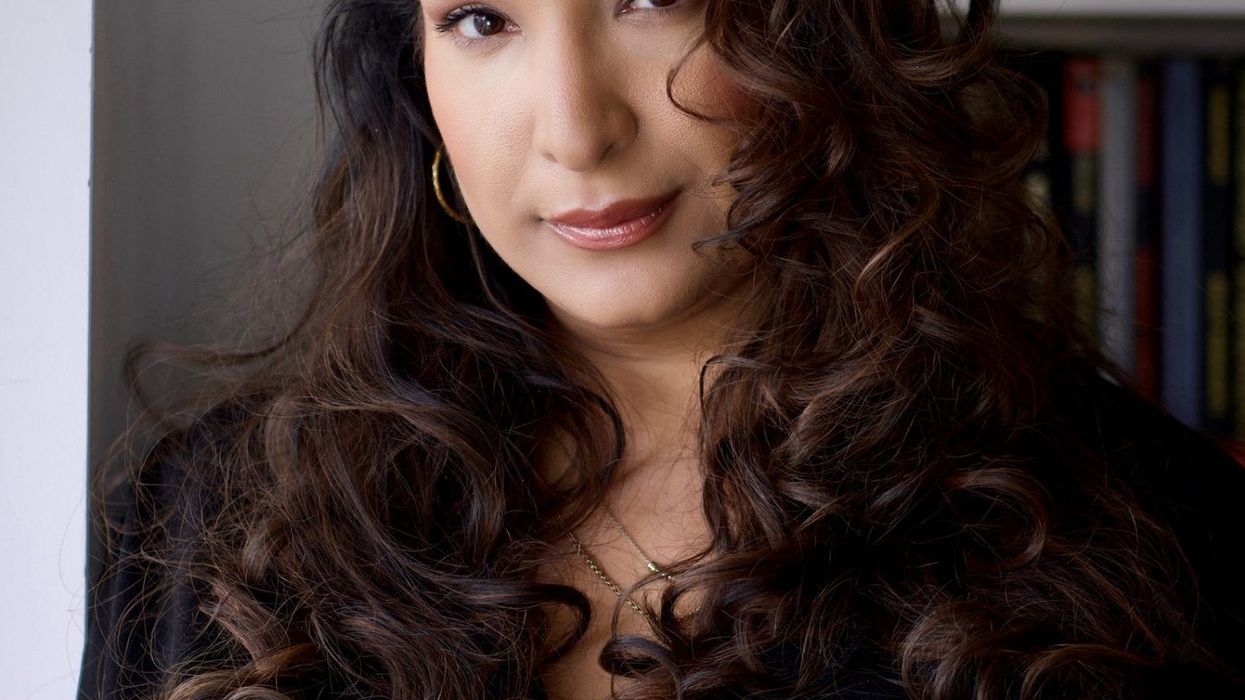

Whether it is delivering dynamic DJ sets, putting together winning playlists, or hosting her popular weekly show on Solar Radio, Gurpreet Mudhar is constantly surrounded by great music.
Her show, The Midnight Mix, is quite popular on the long running UK soul music station.
With that in mind, Eastern Eye got the London-born talent, who is also known as DJ Lady G, to select her top 10 musical heroes.
Rishi Rich: A pioneer of Asian-r’n’b fusion music and a musical influencer from my teen years. The inspiring producer was mixing an array of r’n’b, bhangra, Hindi music and more. He opened my eyes to the possibilities of music, beyond the traditional genre boundaries.
DJ Spen: A successful house music icon and visionary who founded the Quantize Records label and, over a career spanning 30 years, brought house music to the masses. His unique stamp can be found on anthems, from David Morales, Louie Vega, Diana Ross, and Toni Braxton to many more.
Nile Rogers: Who doesn’t know Nile Rogers? – the American musician, record producer and composer. The co-founder of (band) Chic, Rodgers has written, produced, and performed on records that have sold more than 500 million albums and 75m singles worldwide. He was another visionary who helped influence the careers of many artists and is still going strong.
Michael Jackson: This is a tough one for me due to revelations after his death, but I grew up listening to him and recall the first time I heard the Off The Wall album. It still takes me back to my bedroom dancing and marvelling at the production by Quincy Jones. It’s timeless.
The Fugees: The group that brought us Wyclef Jean and the stunning voice of Lauryn Hill. Her dulcet tones on their cover for Roberta Flak’s Killing Me Softly was a game changer. It informed my love of singing and music.
Stevie Wonder: I think everybody has a favourite Stevie Wonder track. Mine is Happy Birthday. It’s a great birthday anthem and stands the test of time.
Panjabi MC: One of my all-time favourite producers, he accomplished things that were unheard of among his contemporaries – selling 10 million copies with his hit release Mundian To Bach Ke. His multi-genre relatability brought bhangra music to the forefront and dancefloors worldwide.
Mariah Carey: Her hit albums Music Box and Daydream, not to mention her unmistakable five-octave vocal range, take me back to memorable summers and the little singer inside me who used to sing along to Without You.
Diana Ross: Motown has a special place in my heart. Diana Ross emulates the glamour, talent and hard-working ethic that was needed to enjoy such an enduring career. Artists those days worked hard on everything from interviews to singing and stage presence. It’s such a shame some people think you can be a star overnight without appreciating how hard work and dedication inform careers too.
Solar Radio: The station and its inspirational founder Tony Monson. Tony allows the DJs to have full autonomy over their playlists, which I love. I feel so at home with the Solar Radio family. Tune in.
Gurpreet Mudhar presents The Midnight Mix, every Saturday on SolarRadio.com, featuring the best in soulful house, r’n’b, soul classics & more.
www.SolarRadio.com, Instagram & Twitter: @DJ_Lady_G and Tik Tok: @djladyg_