A new play exploring immigrant exploitation, racism and how alcohol fuels our nights out is set to be directed by Pooja Ghai at the Theatre Royal Stratford East later this month.
Ghai, 41, an associate director at the theatre since May 2015, said Counting Stars, which is about two Nigerian immigrants working as toilet attendants in a nightclub, gave an insight “into the lives we cross but we don’t know how the attendants really spend their evening”.
Ghai said her family, like many other typical Asian families, were very apprehensive about her going into acting. “They thought I would not be able to find financial security. The theatre was a world they just did not know. But I knew from the age of 11 that I was going to go into this profession,” she said.
The play was written by Atiha Sen Gupta, whose debut play What Fatima Did was shown at Hampstead Theatre when she was just 19.
Her new feature focuses on the two central characters, who interact with people in a nightclub toilets in Woolwich. As attendants, the pair work for no wage and have to rely on tips alone, so the story creates a portrait of immigrant life.
“We all know what the club world is like, but what we don’t really get an insight on are the toilet attendants that we pass by on our way to the loo. We don’t get an insight into their lives and there are so many attendants working in London club toilets,” added Ghai.
“We get to see the world through the prism of Sophie and Abiodun. But the beautiful thing is the attendants’ relationship, a love story. The overriding thing is that love is what keeps us together, keeps us grounded, gives us hope and leads us on our way to our dreams, despite the everyday hardships we might face.”
The director, who was born in Nairobi, Kenya, said the play was very relevant to society today.
“Post Brexit, the kind of escalation of racism and prejudices towards immigrants seemed to be highlighted. Be that on a bus, in a cafe, on a street, it was fascinating to me the way people suddenly got given their voice after the vote.
“If we don’t try to understand more about each other, our differences can generate an atmosphere in society that has more fear and division than unity and tolerance,” Ghai explained.
After Ghai’s parents brought her to the UK when she was 13, in the 1980s she would go to boarding school in Kent and later to study psychology and sociology at Oxford Brookes university.
There, Ghai started a drama society, produced, directed and acted in her own plays, and even took one production to the Edinburgh Fringe.Then after a post-grad degree in acting at drama school, she got an agent and started acting professionally.
Ghai has acting experience on stage and screen. She starred as Bushra Abbasi in the popular TV prime-time soap EastEnders.
“EastEnders is a national instituion and so I was very proud. The character I played was not the nicest of people. She was a big, bossy, bad aunty who got their nose into everything and criticised everyone she could. She was a lot of fun to play,” said Ghai.Counting Stars opens at Theatre Royal Stratford East on August 26 and runs until September 17, 2016.




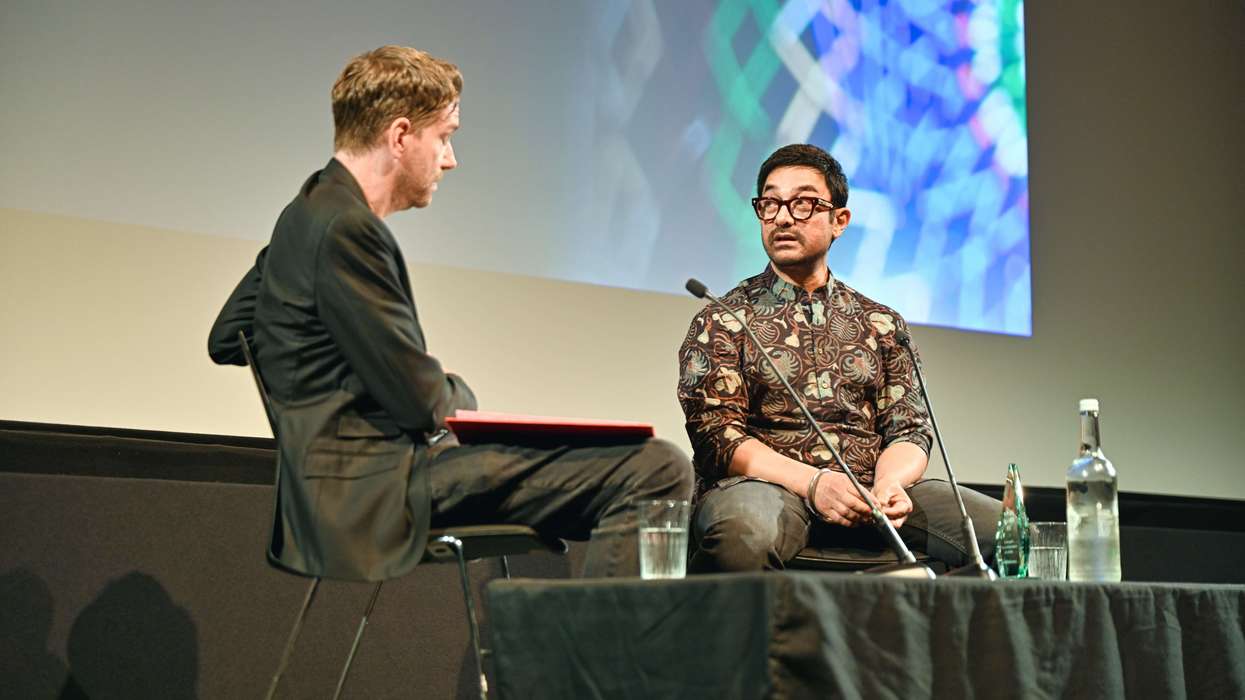
 With Steve Waugh at a special 25th anniversary screening of Lagaan in Melbourne on July 9Sam Tabone/Getty Images
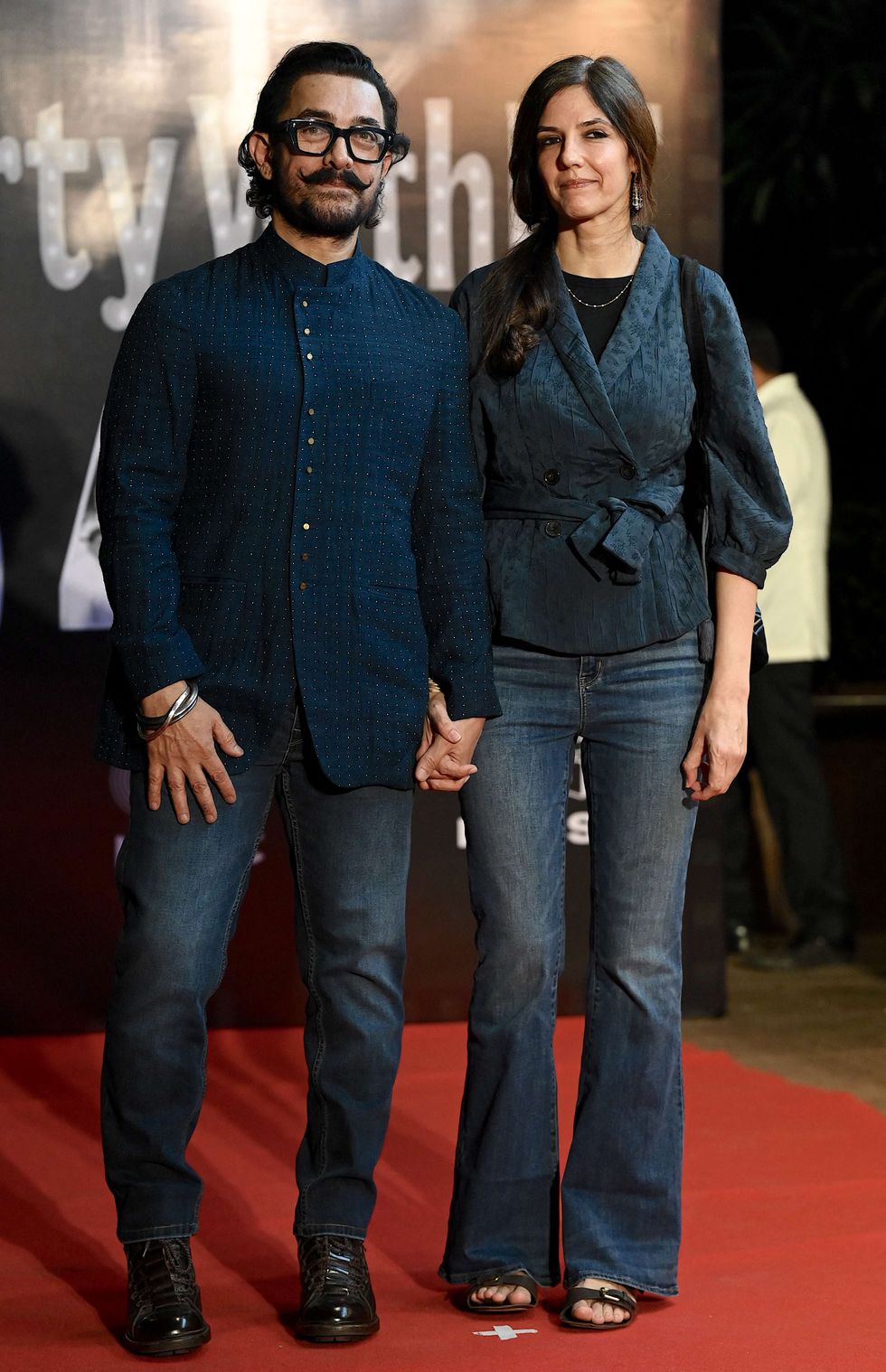 With Gauri Spratt Sujit Jaiswal/AFP via Getty Images
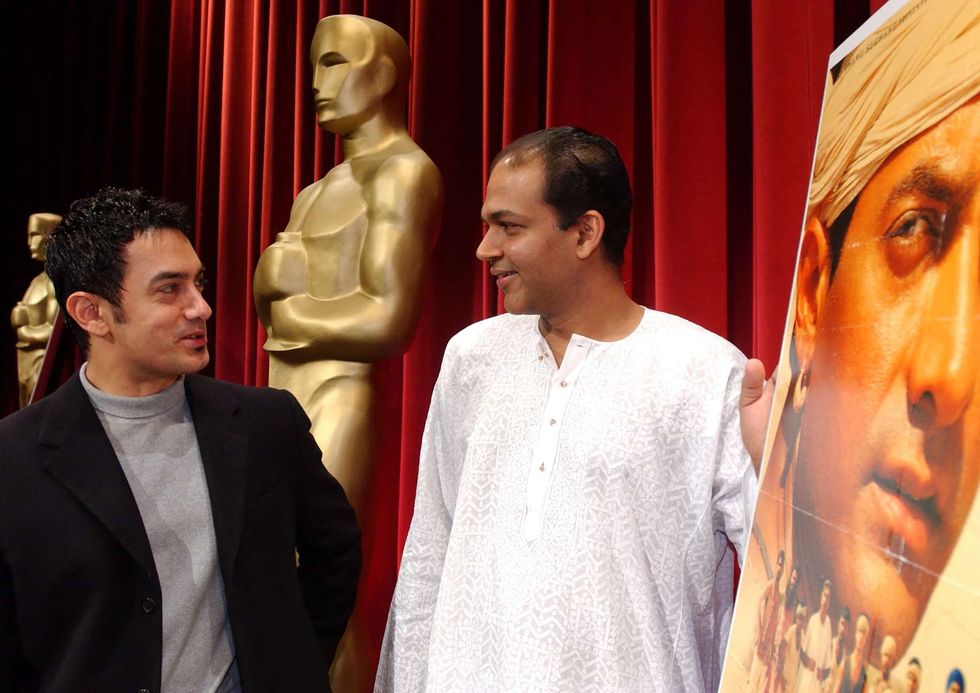 With Ashutosh Gowariker in 2002 Lucy Nichilson/AFP via Getty Images
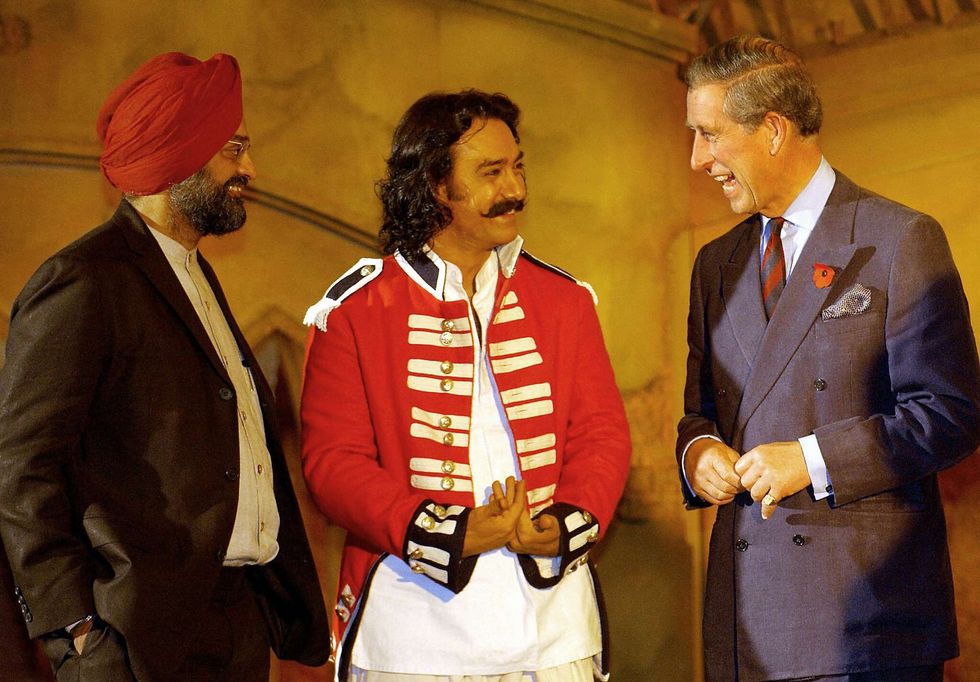 With producer Bobby Bedi and the then Prince Charles on the set of The Rising in Mumbai in 2003Rob Elliot/AFP via Getty Images