
Highlights
- Researchers identify a dark fungus thriving inside one of Chernobyl’s most radioactive structures
- Its pigment, melanin, appears central to its survival and unusual behaviour
- Scientists propose, but have not confirmed, a process similar to photosynthesis using radiation
- New studies examine its potential as a natural radiation shield
A fungus thriving where humans cannot
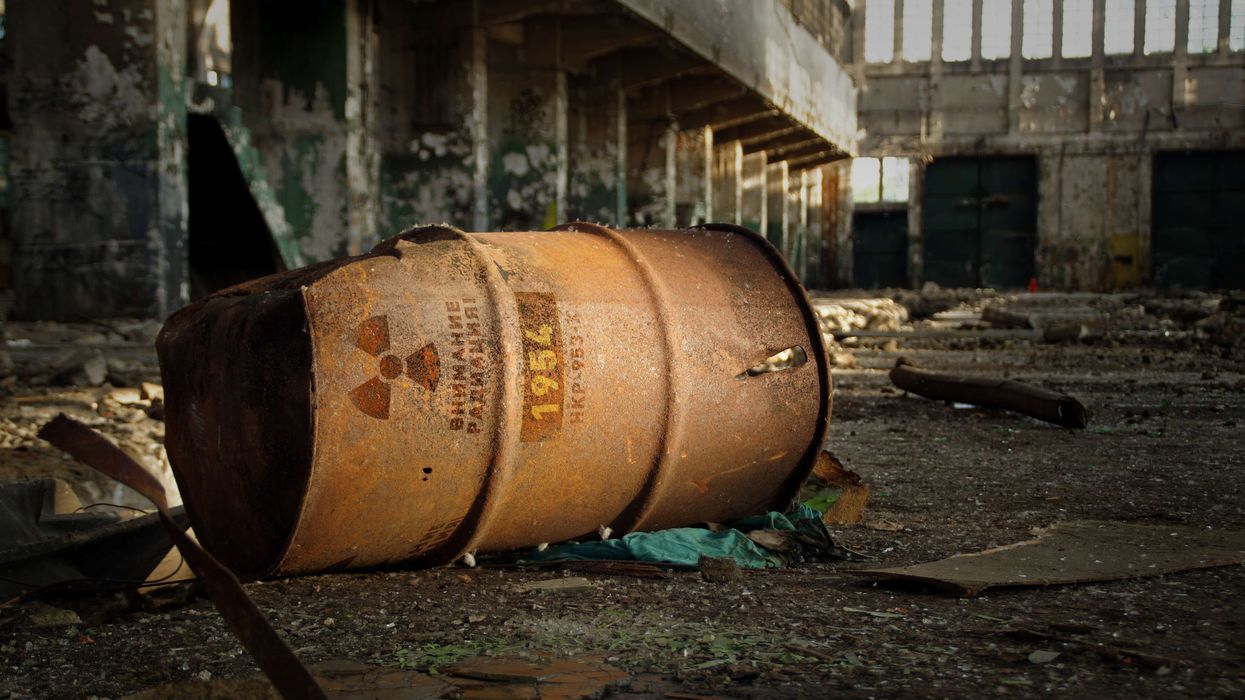
Nearly four decades after the Chernobyl reactor explosion, the exclusion zone remains inaccessible to people, yet several life forms adapt to its harsh environment. One of the most striking examples is a black fungus found on the interior walls of a highly contaminated building near the damaged reactor.
This species, Cladosporium sphaerospermum, is among several dark-hued fungi identified during a survey in the late 1990s. Researchers documented 37 species in total, many rich in melanin, but C. sphaerospermum dominates the samples and carries high levels of radioactive contamination.
Early research hints at an unusual relationship with radiation
Follow-up studies found that C. sphaerospermum behaves differently from most organisms when exposed to ionising radiation. A team led by Ekaterina Dadachova and Arturo Casadevall discovered that the fungus grows more robustly in its presence, despite radiation’s ability to break apart molecules and damage DNA.
Experiments also showed that ionising radiation alters the behaviour of fungal melanin. In 2008, the researchers proposed a mechanism resembling photosynthesis, suggesting that the fungus may be converting radiation into usable energy. The idea is known as radiosynthesis, though it remains unproven.
At the same time, melanin appears to shield the organism from harmful radiation, providing both protection and possible metabolic benefit.
- YouTube youtu.be
Tests extend beyond Earth
Interest in the fungus’s resilience led to a 2022 experiment aboard the International Space Station. Scientists placed C. sphaerospermum outside the ISS, exposing it to cosmic radiation. Sensors recorded lower radiation levels beneath the fungal growth compared with a control sample, raising questions about its potential role as a natural barrier for future space missions.
This study focused on shielding rather than radiosynthesis, and researchers still cannot confirm whether the fungus harvests energy from radiation or simply withstands it through a stress response.
Radiosynthesis remains a theory
Despite years of investigation, scientists have not demonstrated carbon fixation driven by ionising radiation, nor a defined pathway showing increased metabolic gain. As a team led by Stanford engineer Nils Averesch notes, the core process behind radiosynthesis has yet to be verified.
Other melanised fungi show mixed responses: Wangiella dermatitidis grows more quickly under radiation, while Cladosporium cladosporioides produces more melanin without additional growth. This indicates the behaviour of C. sphaerospermum is not universal.
- YouTube youtu.be
A mystery still unfolding
Whether the fungus is adapting to use ionising radiation as a resource or simply surviving in extreme conditions remains unclear. What researchers do know is that this velvet-black organism manages to persist, and possibly thrive, where radiation levels remain too dangerous for humans.
Its resilience continues to intrigue scientists, offering insight into how life endures in one of the most hostile environments on the planet.