
- Grocery price inflation fell to 4 per cent in late January.
- Sales of fruit, yoghurt and protein-rich foods rose sharply.
- Own-label spending hit a record high as shoppers cut costs.
Britons began 2026 by putting healthier food into their baskets, even as grocery price inflation eased to its lowest level since April, according to new retail data.
Annual grocery inflation slipped to 4 per cent in the four weeks to January 25, down from 4.7 per cent in December, research from Worldpanel by Numerator showed. The slowdown offered some relief after months of higher food bills.
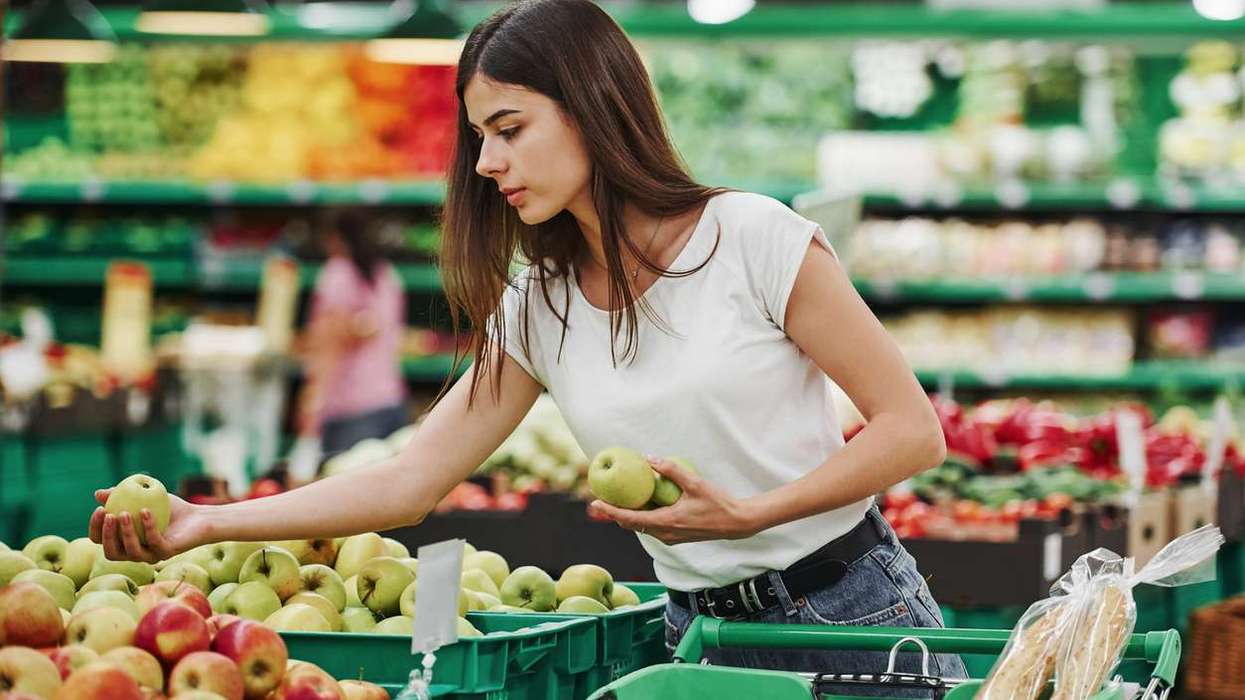
The data suggested many shoppers were attempting a health reset at the start of the year. Sales volumes of fresh fruit and dried pulses rose 6 per cent year on year, while fresh fish sales increased by 5 per cent, poultry by 3 per cent and chilled yoghurt by 4 per cent.
Cottage cheese stood out. Sales jumped by 50 per cent and the product was bought by 2.8 million households, around 600,000 more than a year earlier. Nearly a quarter of shoppers sought out high-protein foods, while more than a quarter looked for high-fibre options.
A practical approach to healthy eating
Fraser McKevitt, head of retail and consumer insight at Worldpanel, reportedly said shoppers were focusing on foods that fitted into everyday routines rather than short-lived diet trends.
As quoted in a news report, McKevitt said shoppers were “actively seeking out foods that support their health goals”, adding that interest in campaigns such as Veganuary appeared to be waning in favour of more balanced eating habits built around familiar foods.
The shift towards wellness was also visible in the drinks aisle. Functional drinks, marketed around energy, gut health or mood, were bought by 11 per cent of households, with spending up 13 per cent year on year. McKevitt reportedly noted that these drinks cost almost four times as much as standard soft drinks, at £4.69 a litre, highlighting a willingness among some consumers to pay more for perceived health benefits.
Value returns to the spotlight
Despite the healthier choices, January remained a month of restraint for many households. After heavy spending in December, shoppers leaned more heavily on supermarkets’ own-label ranges, which are typically cheaper than branded products.
Own-label accounted for 52.2 per cent of grocery spending, the highest level on record. Spending on promotions also picked up, rising 10.9 per cent year on year, the fastest growth since October 2024, though still below December’s levels. Full-price sales, by contrast, increased by just 1.7 per cent.
McKevitt reportedly said January was traditionally about resetting household budgets, with value remaining a key concern for most shoppers.
Alcohol sales told a slightly different story. Waitrose reported that Dry January faded earlier than usual, with alcohol returning to baskets from January 12. Sales of wine, beer and spirits rose 11 per cent compared with the previous week, according to the grocer.
Overall take-home grocery sales grew by 3.8 per cent in the four weeks, matching December’s pace. Lidl remained the fastest-growing bricks-and-mortar chain, with sales up 10.1 per cent over the 12 weeks to January 25, lifting its market share to 7.7 per cent.
Online retailer Ocado recorded sales growth of 14.1 per cent, taking its market share to 2.1 per cent. Tesco and Sainsbury’s also posted higher sales and market share gains, while Waitrose and Aldi held steady.
Asda and the Co-op were the only major supermarkets to see sales fall, down 3.7 per cent and 1.6 per cent respectively.