THE Natural History Museum has appointed the first Muslim to its board of trustees, it was announced this week.
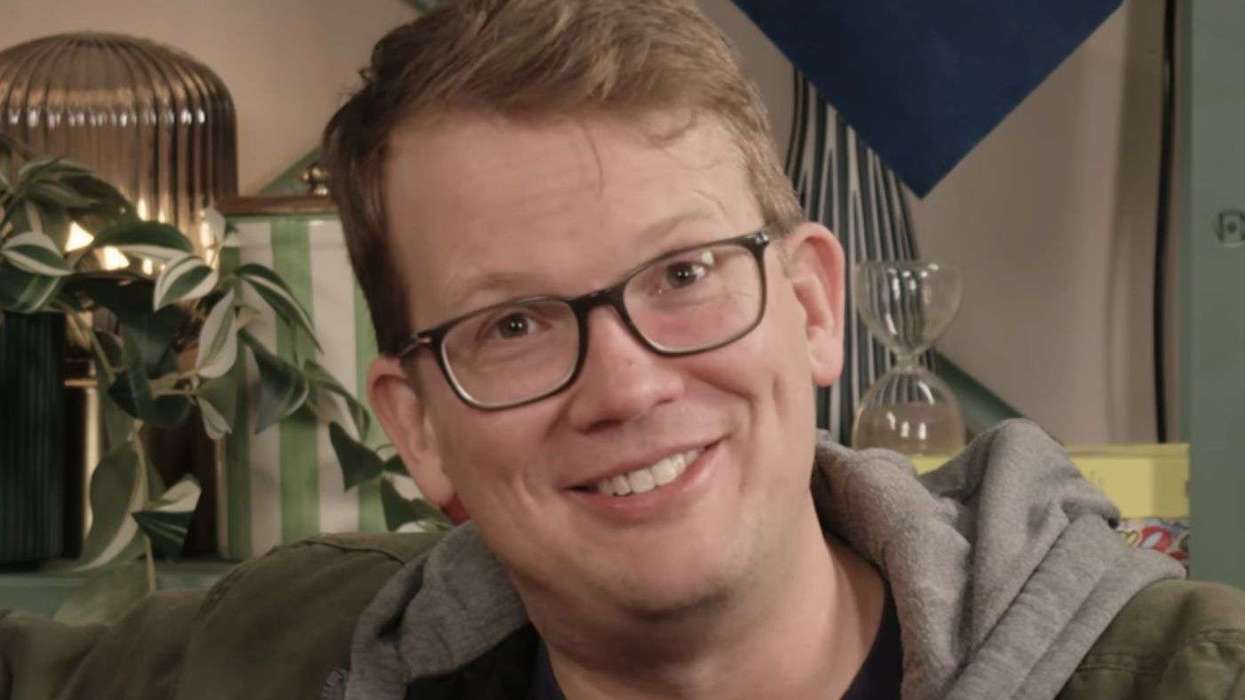
Harris Bokhari OBE is the first British-born Muslim trustee of a major British museum.
Bokhari, who is also a board member of the Princes’ Trust Mosaic Initiative and founder of the charities Patchwork Foundation and the Naz Legacy Foundation, expressed his delight at the announcement, but stressed that there could be more diversity in appointments across museum boards.
“These institutions play such an important role in helping our society connect with their heritage,” Bokhari said. “Having governance teams who reflect the realities of contemporary, diverse Britain will be an important step towards achieving that.”
Indian-origin professor Yadvinder Malhi has also been appointed on the board of trustees at the Natural History Museum.
Culture secretary Oliver Dowden stressed the importance of encouraging people from all background to apply for public appointments.
“I was delighted to see Harris take up (this role),” he told Eastern Eye. “Our public bodies should represent society as a whole and the Government is determined to help make that happen”
Of the 98 trustees in the top six museums in the UK, only 10 are from a BAME background. This includes the newly-appointed Bokhari, Minouche Shafik (British Museum) and Farooq Chaudhry OBE (Tate).