
Highlights
- Council spends over £30,000 yearly removing stubborn paan stains from streets and buildings.
- Fines of up to £100 introduced for offenders caught spitting in Wembley, Alperton and Sudbury.
- Health warnings issued as paan use linked to mouth and oesophageal cancers.
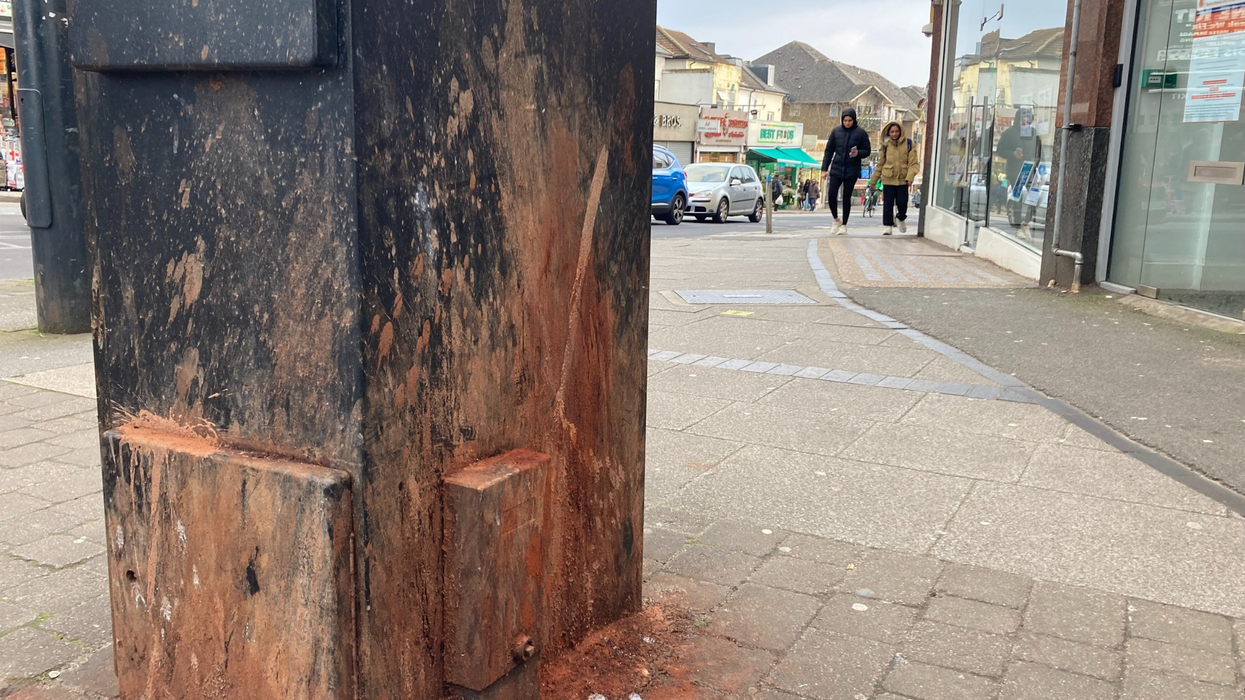
Paan, a chewing tobacco popular among the South East Asian community, leaves dark-red stains on pavements, telephone boxes and buildings across Wembley and surrounding areas. The mixture of betel nut and leaf, herbs and tobacco creates stains so stubborn that even high-powered cleaning jets struggle to remove them completely.
The council has installed warning banners in three hotspot areas and deployed enforcement officers who can issue fines of up to £100 to anyone caught spitting paan.
Cabinet member for Public Realm and Enforcement, Cllr Krupa Sheth, said "Don't mess with Brent, because we will catch you and fine you."
However, the Brent Liberal Democrats have criticised the move as "far too little, far too late". Party leader Cllr Paul Lorber said "People in Wembley, Alperton and Sudbury have been dealing with disgusting chewing tobacco-spitting on our streets for years, while [the council] looked the other way."
Health professionals have raised serious concerns about paan use. Dr Shazia Siddiqi, Brent's Clinical Lead for Primary & Community Care, warned "Regular use of betel nut has been linked to oral and oesophageal cancers, while tobacco is highly addictive."
The NHS confirms that chewing tobacco raises the risk of mouth and oesophageal cancers, with betel itself being carcinogenic even without tobacco added.
Alongside enforcement, the council is offering support through its Stop Smoking Service, which runs specialist six-week programmes to help residents quit. Cabinet member for Community Health and Wellbeing, Cllr Neil Nerva, said "Paan spitting is not just unpleasant—it's harmful, costly, and unacceptable."
Local Democracy Reporting Service (LDRS)