
A blast at an Indian restaurant in Canada's Ontario province on Thursday (24) injured 15 people, many of them diners. The incident took place at around 10.30 pm (local time Thursday) at a restaurant called Bombay Bhel.
According to police officials, two people set off an “improvised explosive device” in the restaurant before fleeing the scene. The photo of the suspects released by the police show two males, wearing dark sweatshirts with hoods pulled up and their faces covered.
"Two parties fled the scene immediately after the incident. First described as male, 5'10-6feet, stocky build, mid-20s, light skin, wearing dark blue jeans, dark zip up hoodie pulled over head, baseball cap with light grey peak, face covered with black cloth material," Peel Regional Police said in a tweet.
"Second male described as 5'9"-5'10", fair skin, thin build, faded blue jeans, dark zip-up hoodie hood pulled over head, grey t-shirt, dark coloured skate shoes, face covered. Looking for public's assistance in identifying the parties that fled following the explosion," it said in another tweet.
Local ambulance service Peel Paramedics said it was “on scene with multiple patients at an explosion in Mississauga.” Three people suffered “critical blast injuries” and 12 others sustained minor injuries.
The police are still not sure of the motive behind the attack.
Thursday's attack comes just a month after Canada witnessed one of its deadliest vehicular assault when a driver of a van plowed down pedestrians in Toronto, killing 10 and injuring 14 more.





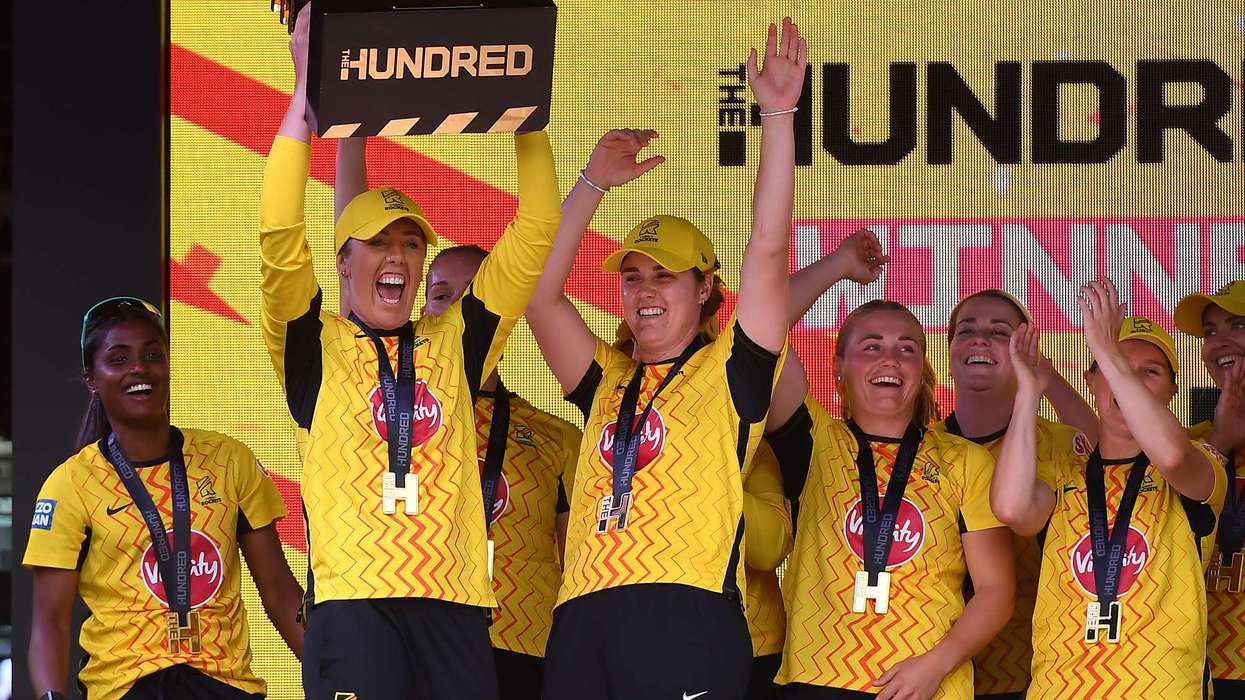
 Lift their trophies after their respective victories in The Hundred finals at Lord’s in London on August 16Philip Brown/Getty Images
 Michael VaughanPhilip Brown/Getty Images
 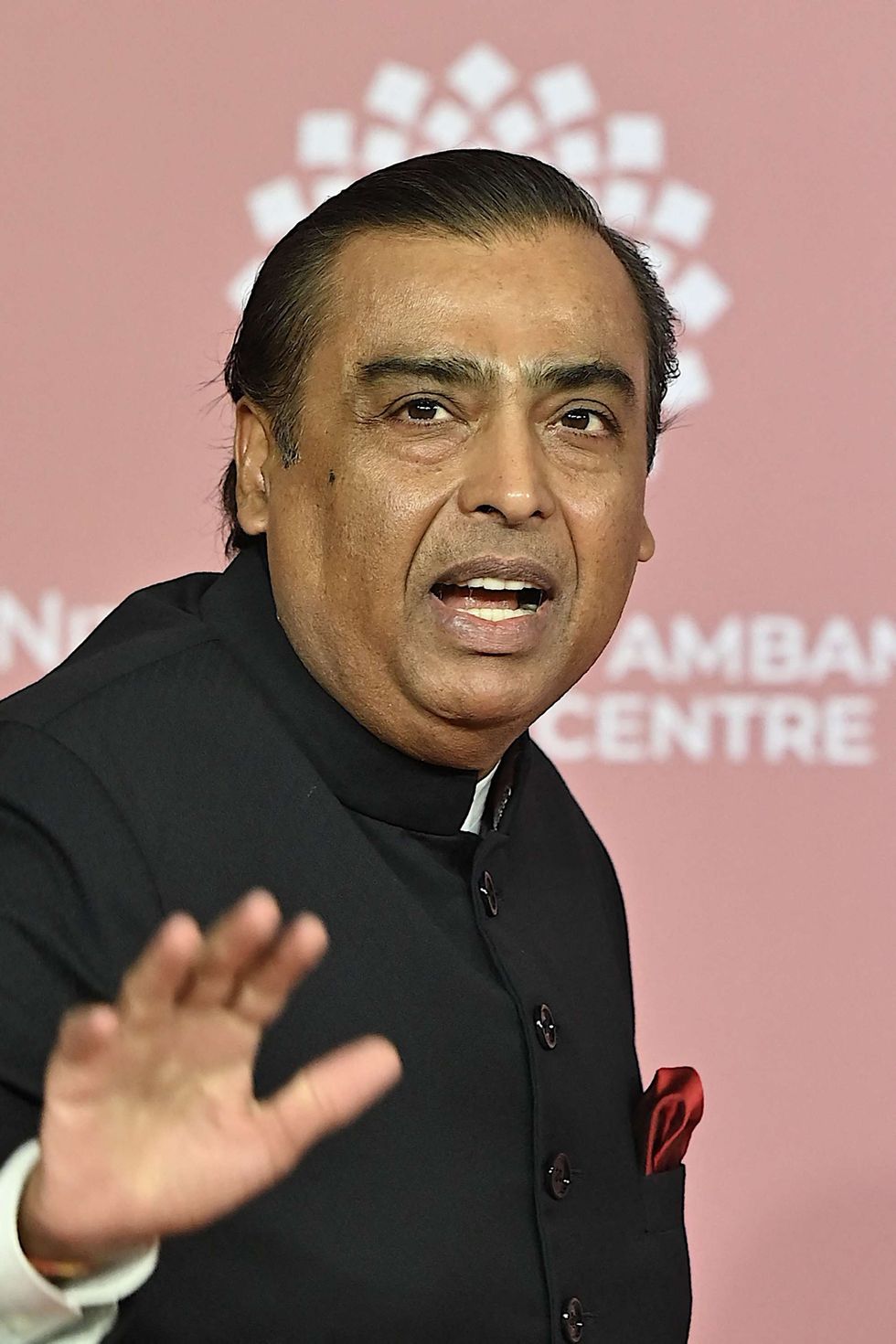 Mukesh AmbaniSujit Jaiswal/AFP via Getty Images
 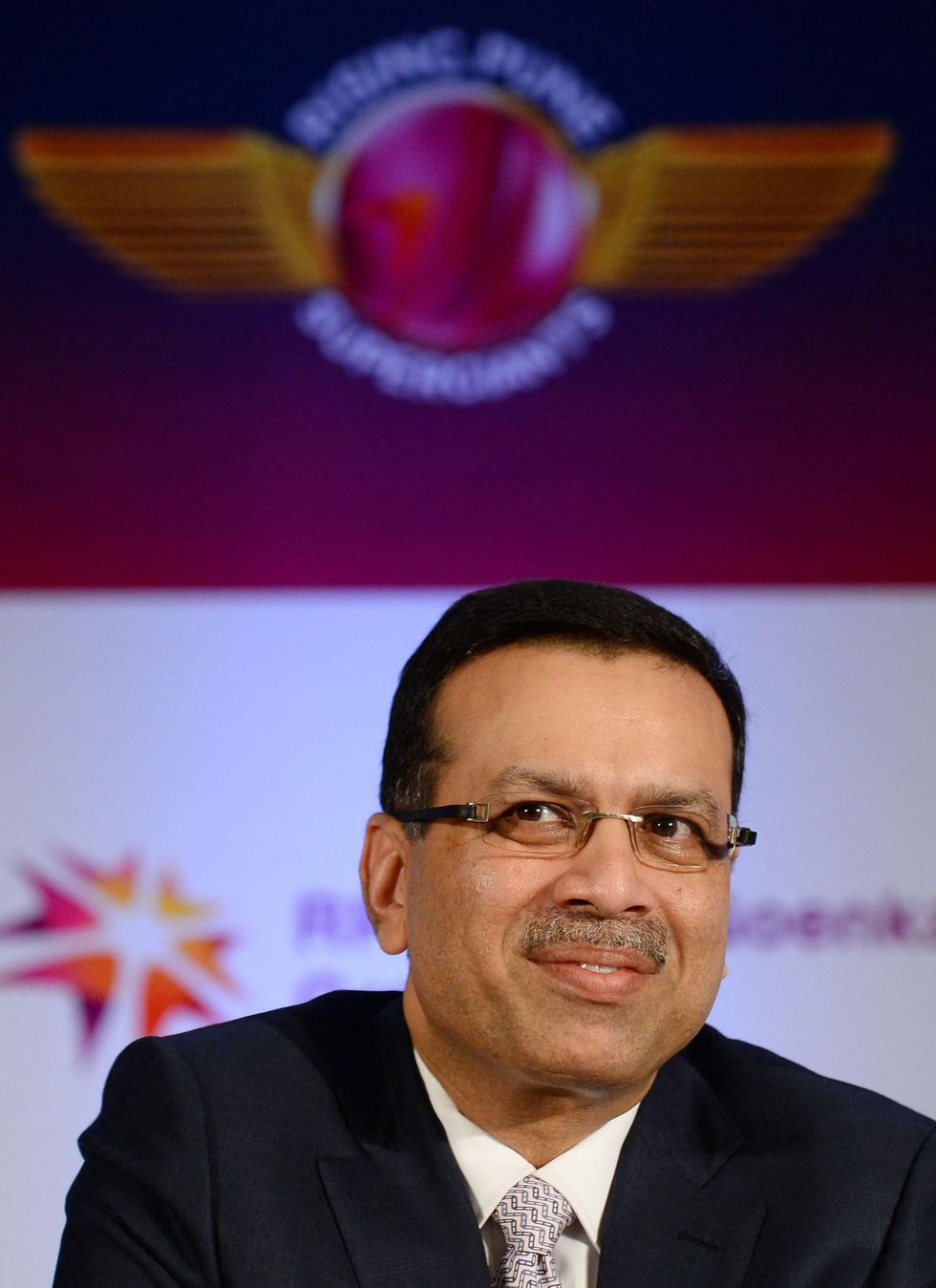 Sanjiv GoenkaSajjad Hussain/AFP via Getty Images
