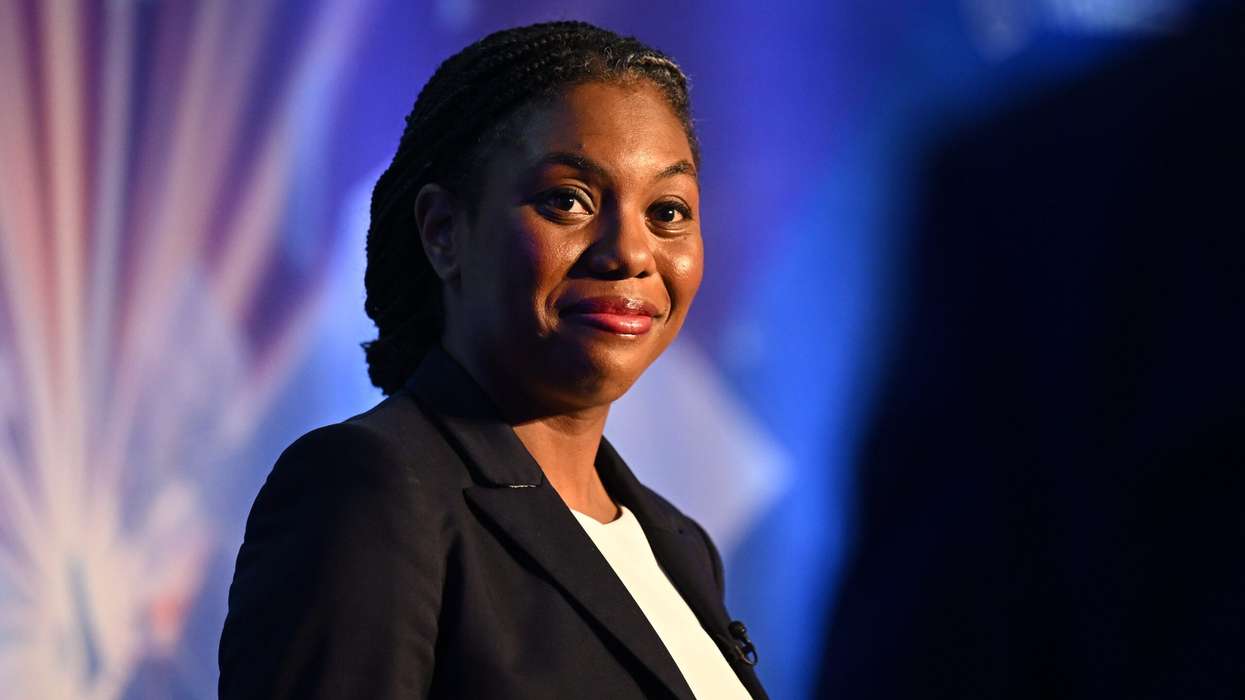

KEMI BADENOCH is considering a ban on burkas as part of efforts to tackle Islamist extremism, The Telegraph reported.
Chris Philp, the shadow home secretary, and Nick Timothy, the shadow justice secretary, are understood to be “looking closely” at the merits of a ban as part of a review of Islamism.
The Telegraph reported that Philp believes the garment can be divisive, work against integration, and foster extremism.
The issue creates a dividing line with Keir Starmer ahead of the May local elections. Sources told The Telegraph that Shabana Mahmood believes the Government has no role in telling people what they can wear. Any move towards a ban would align the Conservatives with Reform UK. Speaking to The Daily T, Zia Yusuf said: “I think they’re un-British in a Western, liberal democracy.” He added: “In one of the most surveilled cities in the world in terms of CCTV, the idea that someone can just unilaterally opt out of that surveillance on a whim is crazy.”
Several countries, including France, Belgium, and the Netherlands, have introduced bans. The European Court of Human Rights upheld France’s ban, saying it did not breach the European Convention on Human Rights and was justified in the interests of social cohesion.
In the UK, there is no general ban on face coverings, except at protests where police can act. Badenoch said: “I personally have strong views about face coverings.” She added: “France has a ban, and they have worse problems than we do in this country on integration.”
A government spokesman said: “We have no plans to introduce legislation that bans the wearing of religious face coverings. Everyone has the right to freedom of religion, including the right to wear religious attire in accordance with the law.”
A poll by More in Common found 56 per cent support a ban, with 25 per cent opposed and 19 per cent undecided.