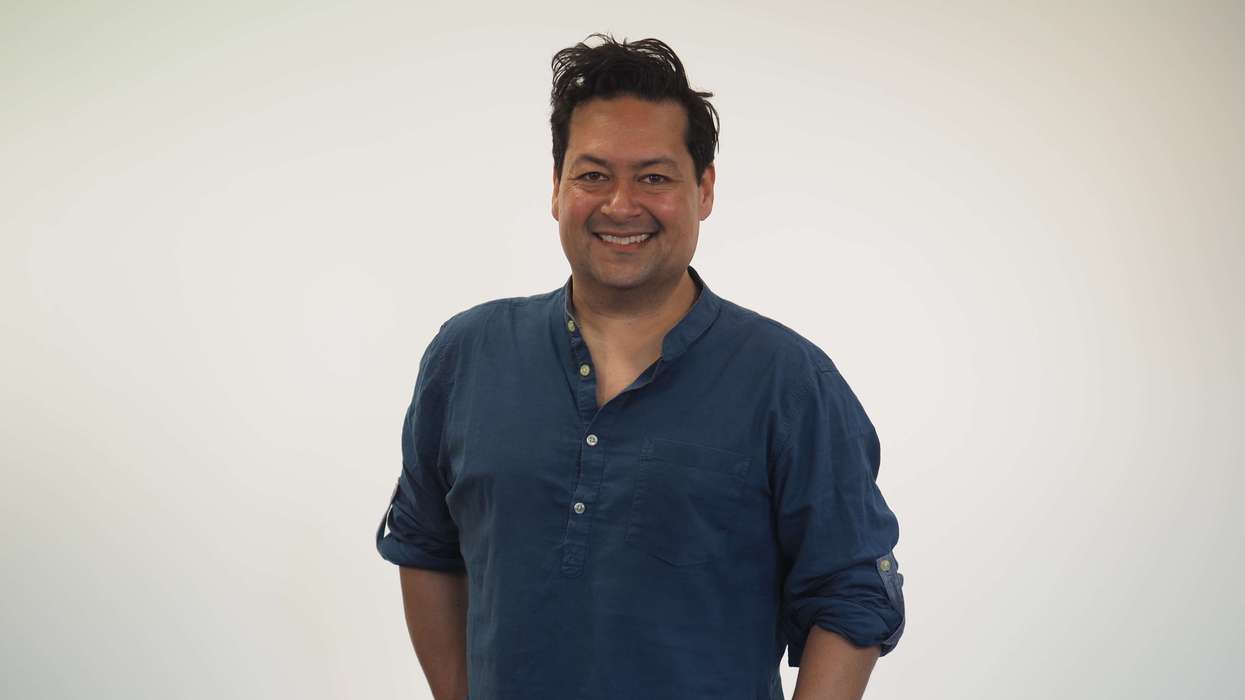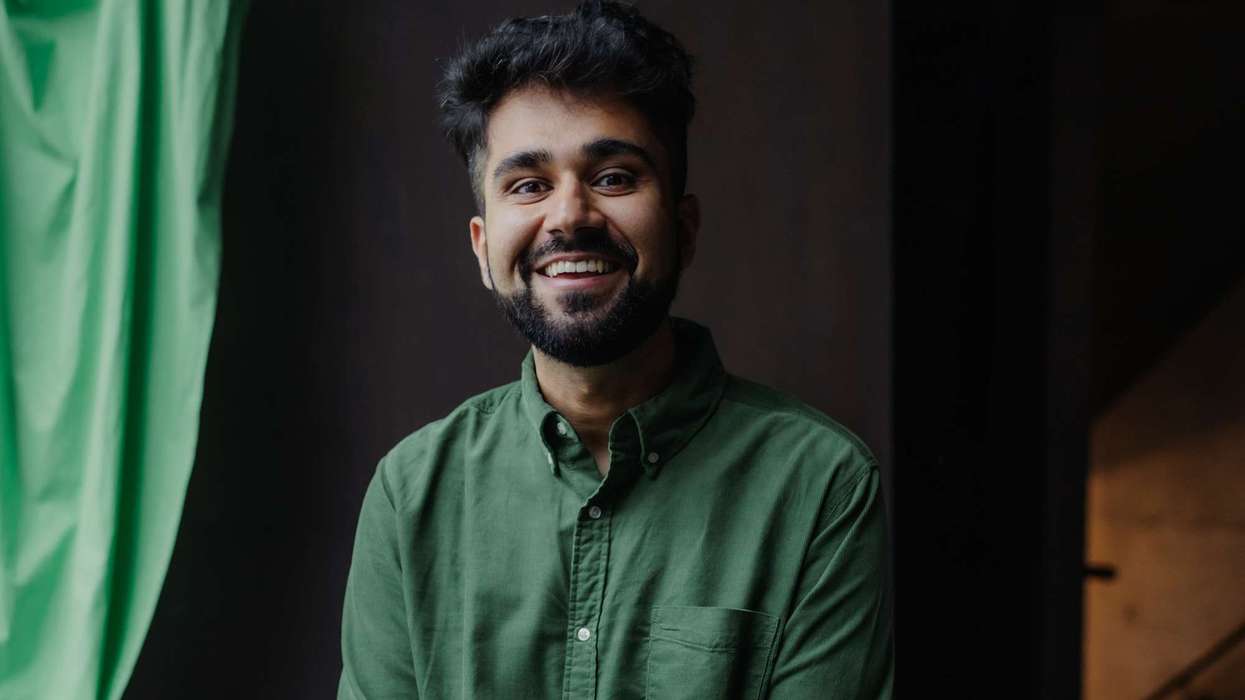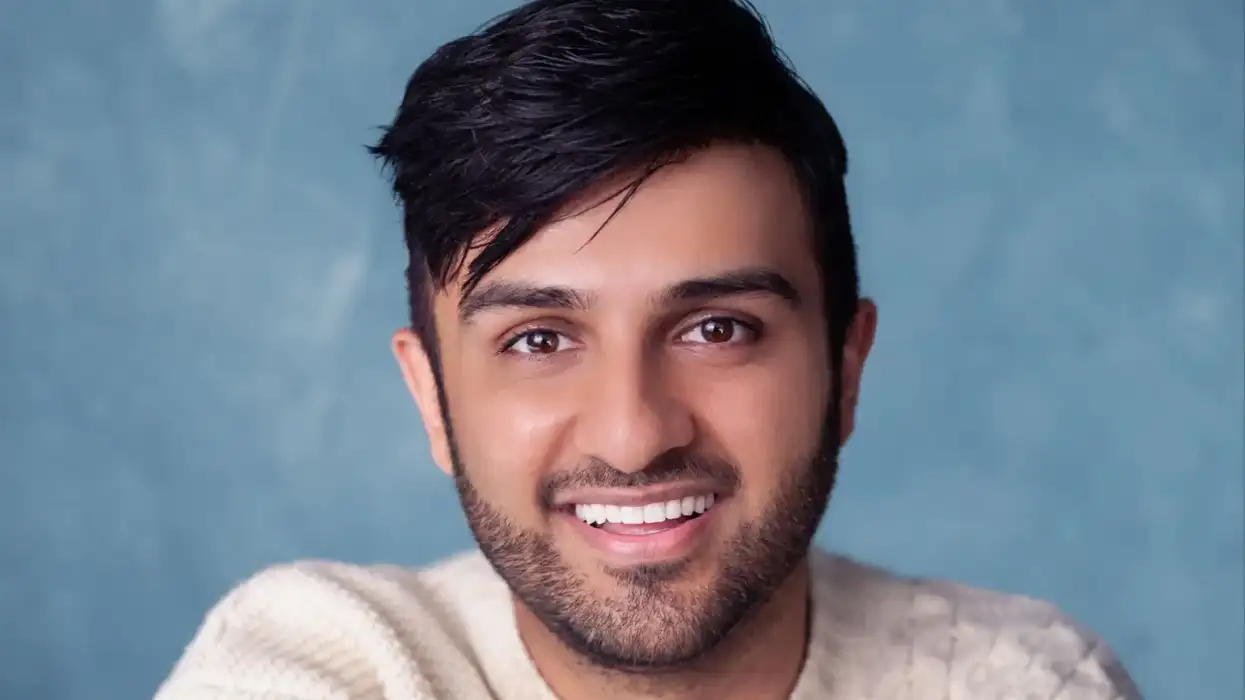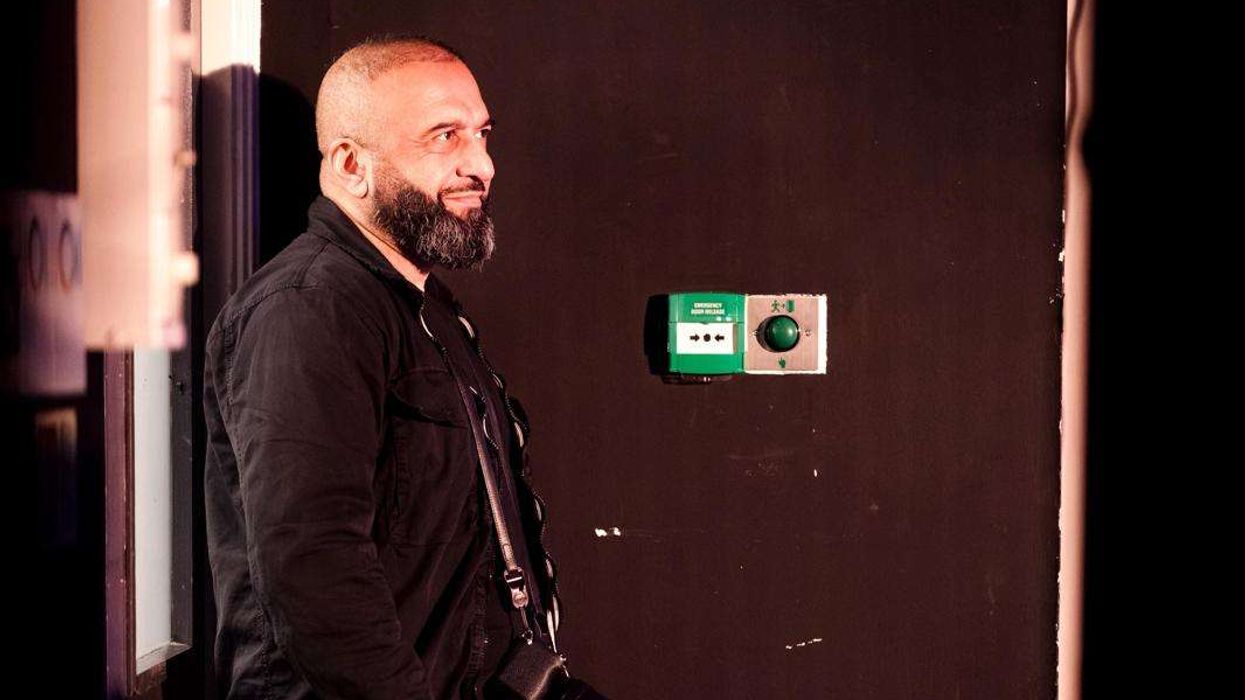

One of the biggest success stories in the past 15 years has been the rapid rise of British Asian stand-up comedy and Altaf Sarwar has been at the forefront of this remarkable revolution. The Birmingham live events producer has delivered more shows in this space than anyone else, with annual tours that include Desi Central, The Indians Are Coming, The Ladies Of Laughter and The Muslims Are Coming. He has also delivered big solo tours and powered the Comedy of Black Origin (COBO) events to huge success.
The unsung hero of UK comedy has entertained audiences with over 1000 shows, given a platform to talent, who have become stars, and brought different generations together through laughter.
The big thinking entertainment entrepreneur moved into music events with some of this year’s most spectacularly successful tours, including the sold out Sholay 50th anniversary shows and the recently commenced Tujhe Dekha tour, which has been so popular that it has been extended into 2026. Eastern Eye caught up with great British hero Altaf Sarwar to discuss his remarkable comedy journey and exciting new music trip.
How do reflect on your prolific journey as a comedy show producer?
I started this as a hobby back in 2009. At the first show we had to give away half the tickets just to fill the room. I had limited knowledge of what I was doing. The acts helped me put together a running order, lighting cues and basic sound.
Since then, it’s been years of hard work, constant learning, setbacks and rebuilding. We’re still here, doing more shows every year.
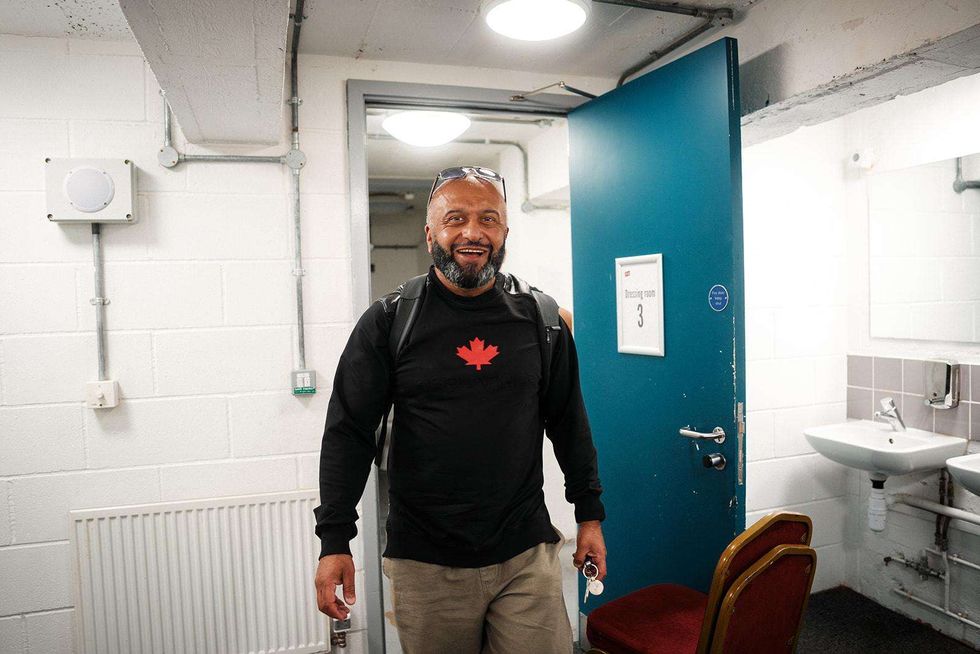 We’ve tapped into new audiences who want an alternative night outAltaf Sarwar
Did you imagine being so successful when you started, and that the British-Asian comedy scene would grow to what it is today?
Not at all. I never thought it would turn into a full-time job with a team. And ‘success’ depends on how you measure it - money, audience size, helping acts develop or the quality of the shows. For me, it’s a mix of it all.
You’ve given a stage to perhaps more British Asian comedians than anyone and many have become really successful. Who have been some of the most memorable names you have worked with?
The most memorable are the ones who built their careers and stayed with me: Nabil Abdulrashid, Guz Khan, Kae Kurd, Tez Ilyas, Eshaan Akbar and a few others who have grown from open-
mic acts to national names. I’m really proud of them. There are so many others, including those who never tried stand-up, but used the platform we gave them to find their voice – Sukh Ojla and Noreen Khan set an inspiring example.
How have audiences changed over the years?
We’ve tapped into new audiences who want an alternative night out. The rooms feel different now - more diverse, more mixed and you can literally see the shift in the smiles and energy.
What does it mean to you to be called the ‘unsung hero’ of UK comedy?
Only a few people call me that. (Laughs) Most just call me the stressed guy in the background. But honestly, the work speaks for itself. I’m not looking for titles and hardly turn up to any events I'm invited to. I’m too focused on delivering the shows.
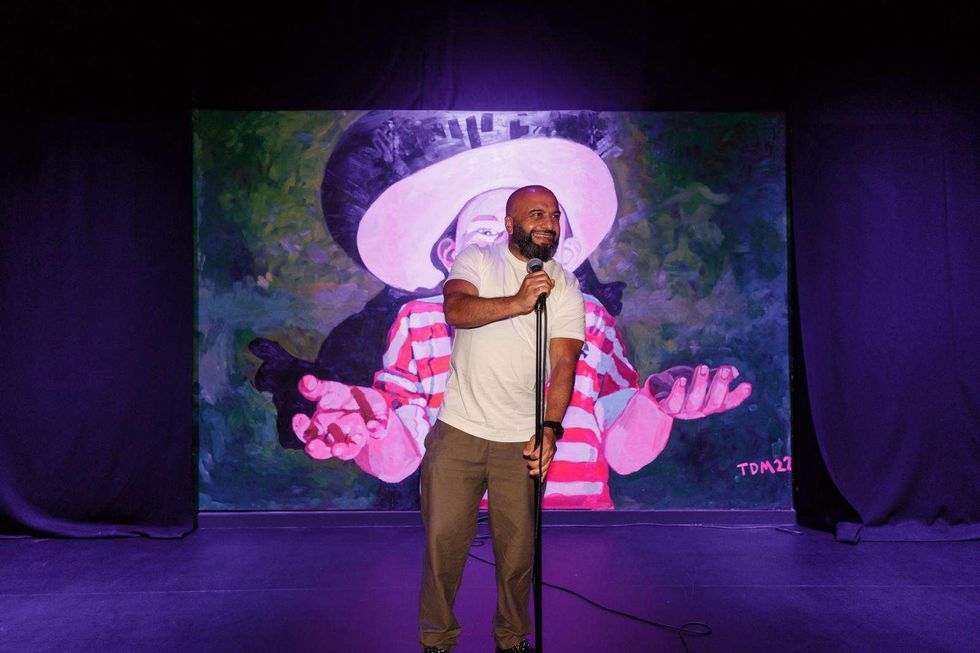 Representation matters because if we don’t build our own spaces, no one will do it for usAltaf Sarwar
The number of shows you deliver is remarkable. You’ve created spaces for South Asians, including Muslim voices in comedy — how important is representation to you personally?
Representation matters because if we don’t build our own spaces, no one will do it for us. Comedy was the first step and now I’m trying to grow the same foundation in music. We’re only 17 months into that music journey and still learning.
Shows like Muslims Are Coming, The Indians Are Coming, and Ladies of Laughter have become institutions. What makes these shows connect so powerfully with audiences?
Each show attracts a different pocket of people. Ladies of Laughter brings out groups of women on a night out, Indians Are Coming brings families, Muslims Are Coming hits a different demographic — and customers feel seen. The brands give each community something familiar and fun.
Do you think comedy has played a role in breaking stereotypes and building bridges across communities in the UK?
Comedy gets people in the same room who might never cross paths otherwise. When you’re all laughing at the same jokes, walls come down. It doesn’t fix the world, but it definitely helps people understand each other a bit more.
Tell us about the success of the Comedy Of Black Origin (COBO) comedy shows?
COBO started with a friend of mine who was already running soul, r’n’b, and garage events. We decided to put together a circuit with comedians from the Black community and since starting acts we worked with like Mo Gilligan, Babatunde, Axel Black, Judi Love, Richard Blackwood and many more. They have gathered mainstream appeal, which helped us bring in diverse
audiences who wanted to see acts that reflect their backgrounds. It’s grown far bigger than we expected.
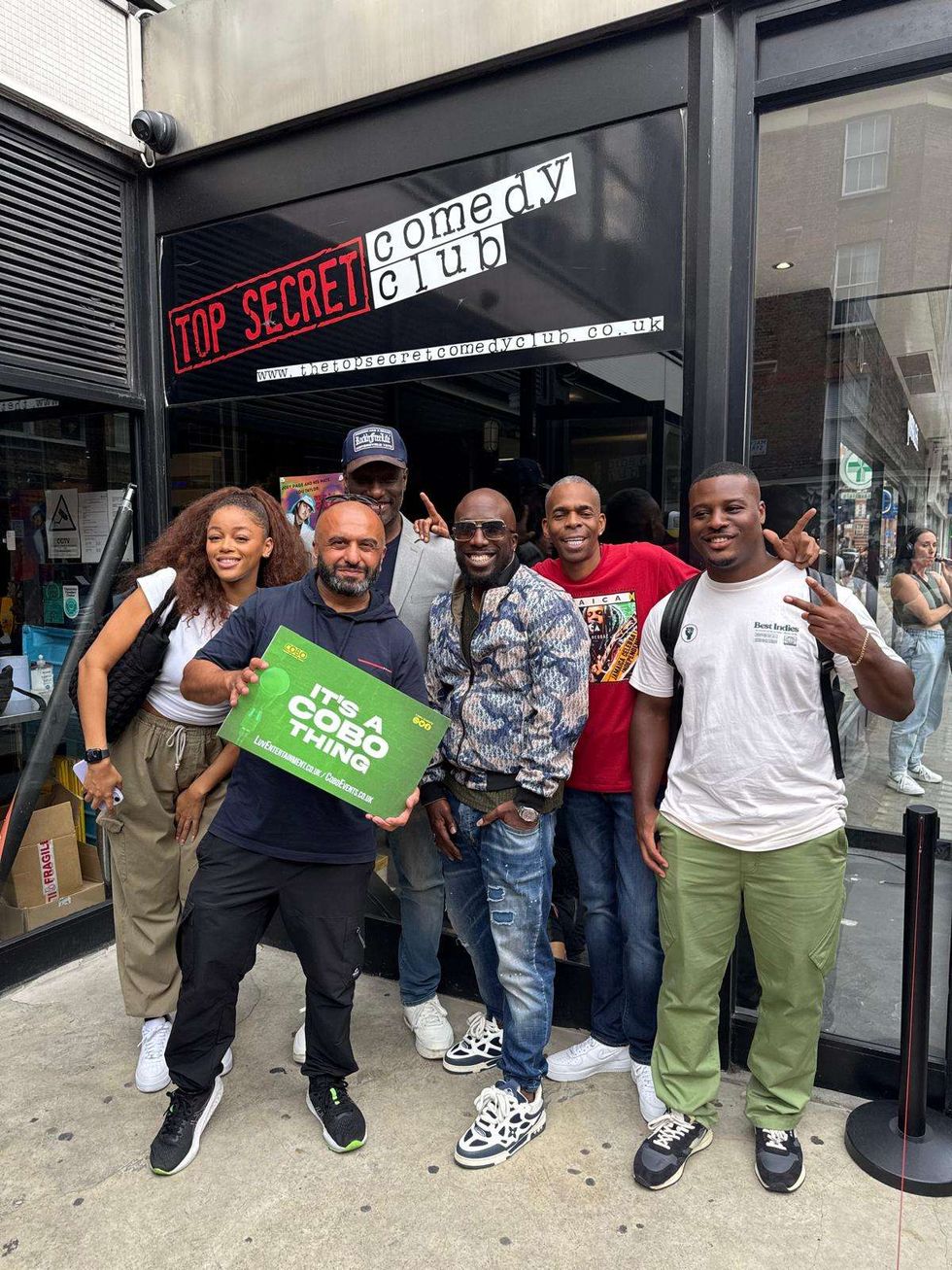 A circuit with comedians from the Black community Altaf Sarwar
You’re known for organising more shows than anyone else in your space. What’s the secret to sustaining that kind of consistency?
I run multiple shows on the same night and sometimes have acts doing two – four gigs in an evening. My mind is always working overtime. The circuit survives only if acts stay paid and audiences stay entertained - that keeps me going.
What are some of the biggest challenges you’ve faced behind the scenes — especially in promoting diverse comedy?
In the early days, getting people to even try the shows was the biggest hurdle. We used to door-drop flyers for days because social media wasn’t a thing yet. Now social media helps but it also means everyone else is using the same tools.
Other challenges include managing relationships, replacing acts when bigger work (TV or corporate) comes in and keeping shows running smoothly when things change last-minute.
How do you spot talent or decide which acts and tours to back?
We run tour management, partnership tours and mixed-bill shows. Partnership tours are the hardest and we’re currently working with Richard Blackwood and Preet Singh on their 2026 tours. Talent spotting comes from experience: who can fill a room, who works hard and who is growing at the right pace.
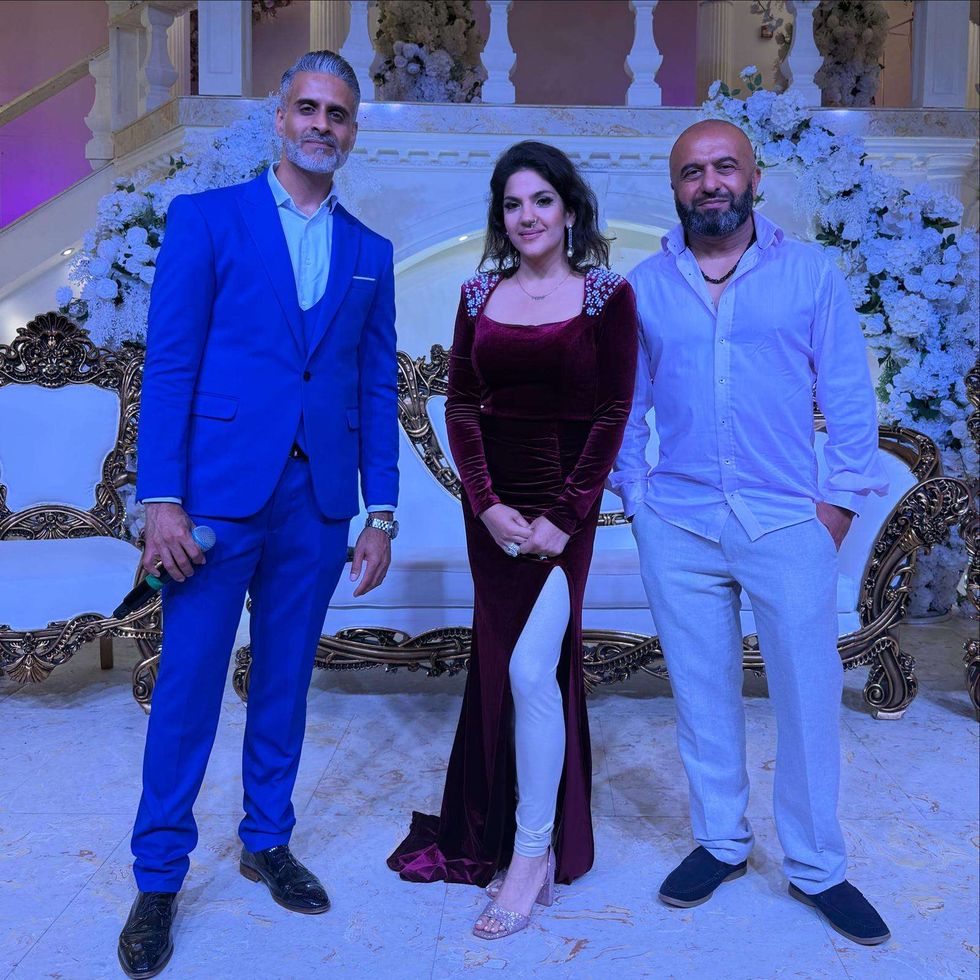 altaf sarwar, chirag rao and rekha Altaf Sarwar
You’ve now moved into live music promotion — what inspired that shift?
I’ve been trying to break into music for over 10 years. The difference now is we have the right team: Chirag Rao, Rekha and Abira Shah - some of the best performers in the UK and the 4All2Envy dancers who bring the shows to life. Now that the structure is right, the shows are moving in the right direction.
The Bollywood Time Machine, Real Queens Of Bollywood, Yeh Dosti and Tujhe Dekha tribute shows have been huge. How did you approach bringing Bollywood nostalgia to the UK stage?
I approached a few companies first after seeing their events, but we couldn’t agree on a format. So, I built my own team and designed the show myself — the tribute concert style works best for what we do.
Tell us about the new Tujhe Dekha show?
It celebrates the 25 year anniversary of record-breaking Bollywood film Dilwale Dulhania Le Jayenge, and Bollywood’s most iconic duo Shah Rukh Khan and Kajol - with live music, choreography and the biggest hits. It’s less musical theatre
and more a concert with a twist - professional vocalists and dancers bringing nostalgia to the stage in a modern way.
How do you measure success — sold-out shows, impact, or legacy?
I don’t chase sold-out shows. If everything sells out, the venues are too small. Success for me is keeping acts paid, developing talent, delivering a good service and building something that lasts. We don’t get it right every time, but overall, we’re winning.