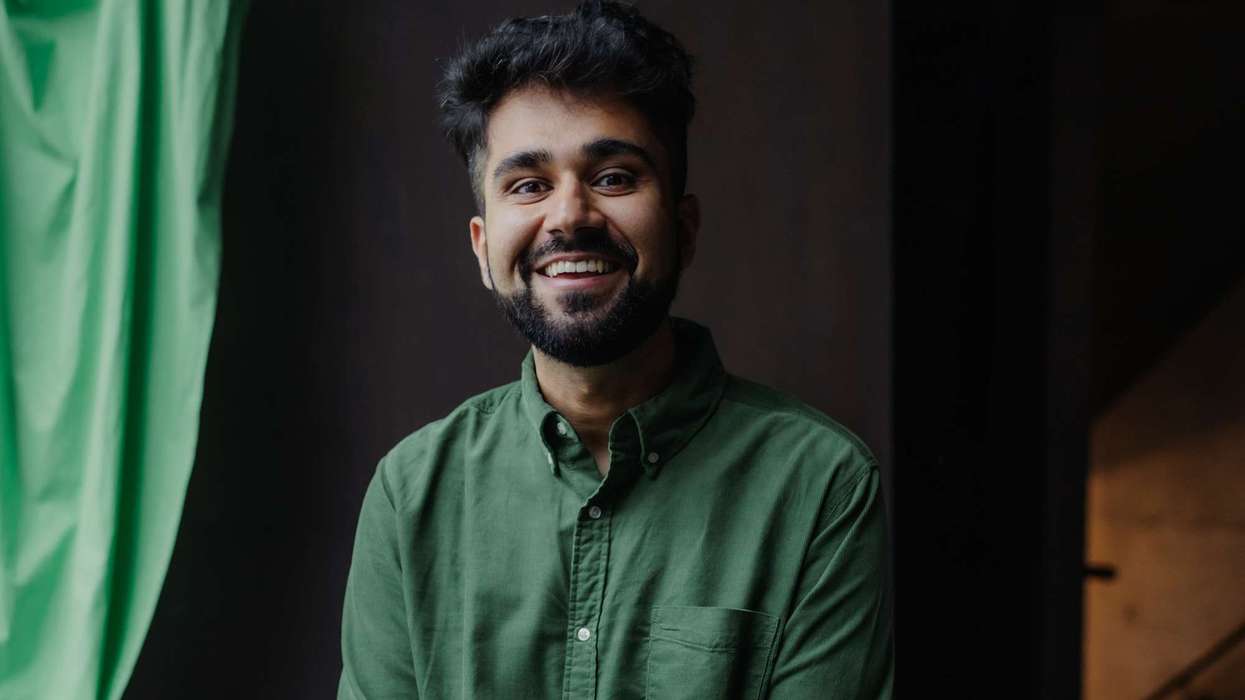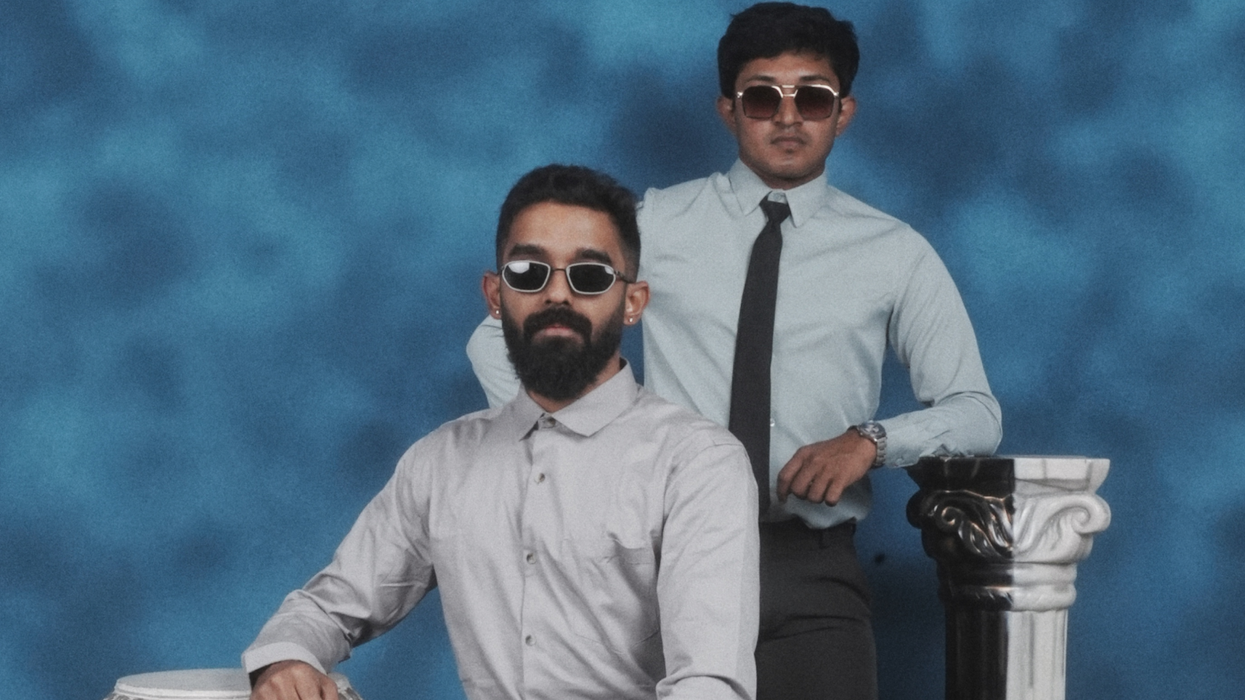

After a smash-hit UK debut, India’s most-watched crowd-work comedy duo is back – and this time, they’re armed with an even wilder new show. Abishek and Nirmal: The Great Indian Positivity House invites audiences into a bizarre world where you can anonymously confess your darkest deeds and most questionable opinions.
Staged at Soho Theatre in London from July 21–25, it promises their signature fast-paced crowd work and razor-sharp improvisation. With no two shows ever the same, they aim to make every night unrepeatable and unforgettable. Eastern Eye caught up with the dynamic duo to talk about comedy chemistry, on-stage secrets and their biggest influences.
What made you two want to team up?
Abishek: We come from similar backgrounds, consume similar content, and laugh at each other’s jokes. A middle-class upbringing, a love for theatre, and a shared passion for the same kind of humour brought us together.
Did you both expect to become such a successful double act?
Nirmal: It struck me early on during touring. Initially, we’d do 20 minutes each and then come together for the final 20, which audiences really enjoyed. We soon realised our on-stage chemistry worked. We’re also both very physical with our humour and play off each other well. (No innuendo intended.)
What’s been your most memorable moment as a duo?
Nirmal: After every show, we’d go out with some audience members and ask them to show us around their city. I think our last day at Edinburgh Fringe was epic – we were up till 4 am dancing, drinking pints, with a flight back to India at 8 am. Total chaos.
Abishek: Touring internationally will always be a core memory. I’ll never forget our first show in Dubai – it felt so surreal. We genuinely felt taller than the Burj Khalifa that day!
How would you describe your brand of comedy?
Abishek: We do a lot of crowd work and improv. Our biggest strength is our physical comedy, combined with (self-proclaimed) impeccable chemistry on stage.
What drew you to interactive comedy?
Nirmal: I love stand-up, but it takes a year or two to build a solid hour. Audience-interactive shows let us flex our improv muscles and keep it fresh every night. We never ran out of shows this way. And repeat audience could enjoy our shows too. It’s liberating – we get to respond to the exact moment we’re in. And we love being surprised by the crowd.
What’s the biggest challenge of interactive comedy?
Abishek: You never know how a joke will land. You have to read the room well and only prolong an interaction if the person is clearly enjoying it.
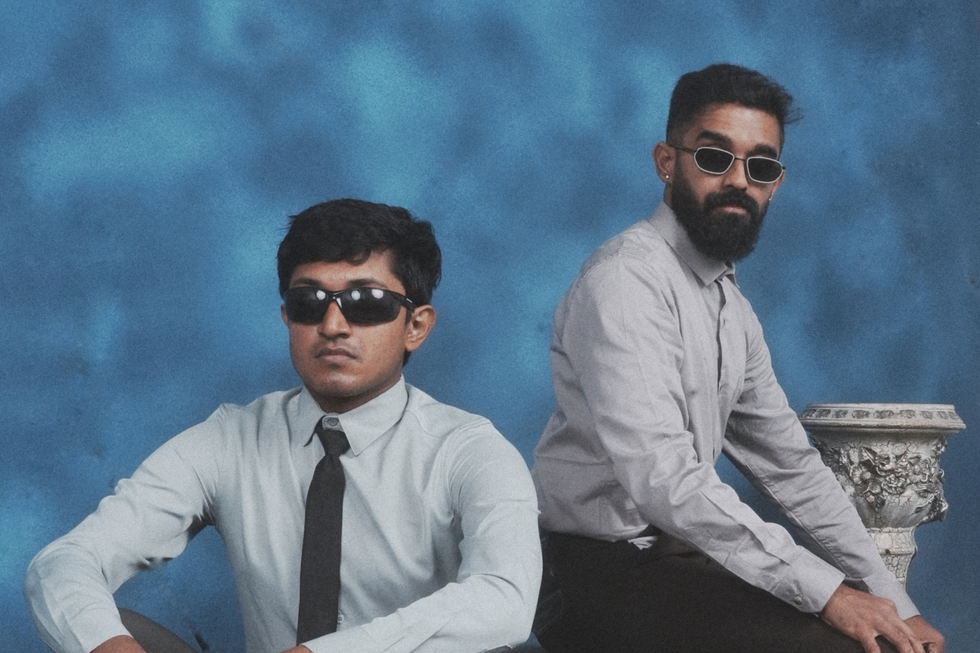 With no two shows ever the sameInstagram/ theabishekkumar
How much of your routine is planned in advance?
Nirmal: The beginning, middle, end, and format are always set. But that’s it. We’ve built our shows on the road, so we keep adding and experimenting with new bits.
What’s the secret to great improvisation?
Abishek: Ride the scene’s energy – no matter how dumb the premise sounds. Go with the flow. BS with full conviction!
How do you stay in sync on stage?
Nirmal: It’s muscle memory at this point. I know when he’ll take a punchline or jump in, and he knows when I’ll interrupt. It’s built over time by doing this again and again.
What has performing in the UK been like?
Abishek: Amazing. We’ve toured the UK multiple times now, and every visit feels like coming home, thanks to the huge Indian diaspora.
How do UK audiences compare to those in India?
Nirmal: I love our international audiences – they come for a sense of familiarity. They’re away from home, and our references, language, and vibe create that comfort. For at least an hour and a half, it feels like home.
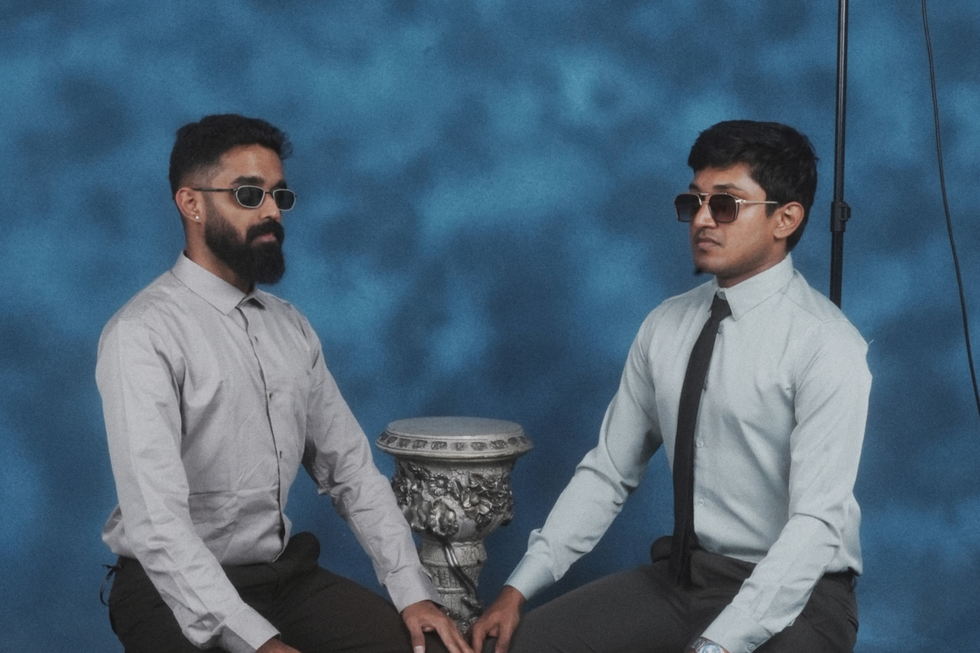 The beginning, middle, end, and format are always setInstagram/ theabishekkumar
Do you have creative differences – and how do you manage them?
Abishek: We do, but we don’t shy away from tough conversations. We’re brutally honest with our feedback and open to change. That’s the healthy part of this duo.
Tell us an embarrassing secret about each other.
Nirmal: When Abishek is sleep-deprived, he goes full chaos mode – like an elephant about to mate. He starts doing sixth-grade-level pranks on everyone around. This is a 30-year-old man.
Abishek: Nirmal has to poop before every show. The moment the announcement plays, he’s off to the loo.
Who are your comedy heroes?
Abishek: Robin Williams, Russell Peters, Jim Carrey, Adam Sandler, Ricky Gervais... and Indian legends like Nagesh and Crazy Mohan, who’ve had a huge influence on me.
Nirmal: Kanan Gill, Rahul Subramanian, Kenny Sebastian, Hasan Minhaj, Aziz Ansari and Dave Chappelle.
Why should people come to your London shows?
Nirmal: To feel like you’re in South India for a whole hour. It’s better than the North. (I say this in jest.) I could have said I’m joking, but I had to say jest, didn’t I? It is a nice word though.
Abishek & Nirmal: The Great Indian Positivity House at Soho Theatre in central London from July 21–25. www.sohotheatre.com