
Highlights
- Charity walk at Clumber Park united 38 participants across generations
- Traditional sarees in blue and white marked the occasion
- Over £2,000 raised for Parkinson’s UK
Sarees and solidarity at Clumber Park
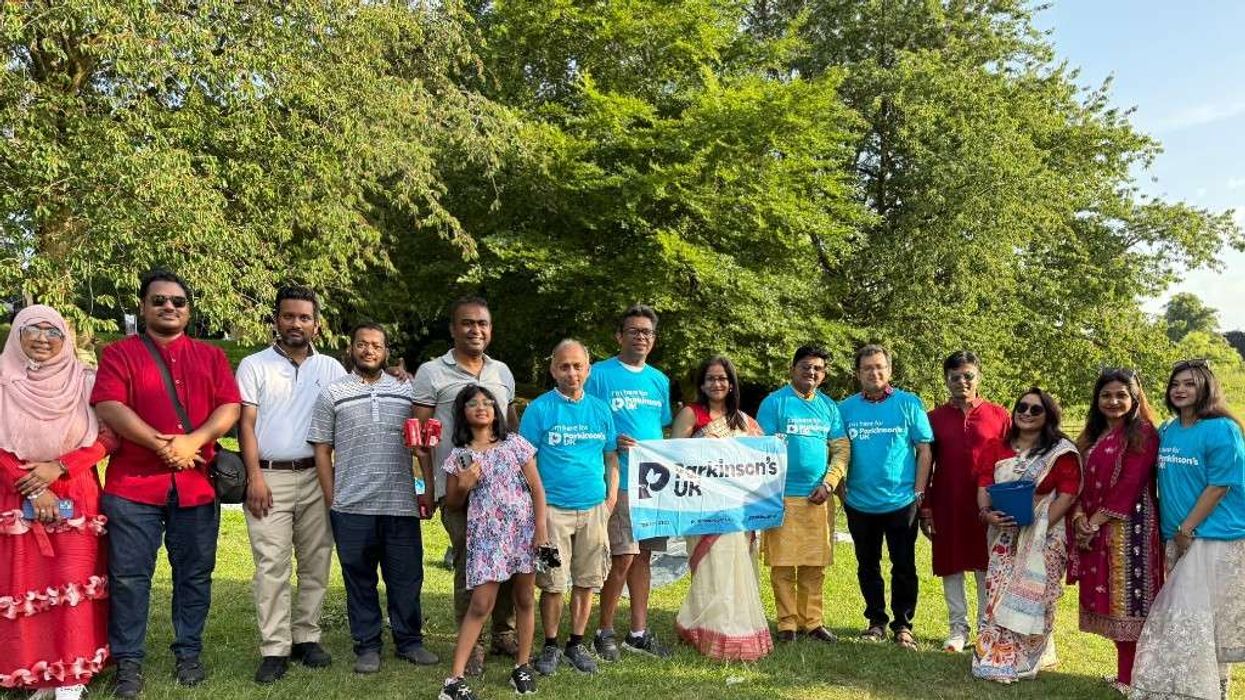
Members of the Bangladeshi community in Yorkshire gathered this summer for a colourful charity walk that raised more than £2,000 for Parkinson’s UK.
The event, held on 26 July at Clumber Park in Worksop, was organised by the Dhaka Medical College Alumni Association UK (DMCAA UK). Thirty-eight participants, from children to grandparents in their 60s, walked in coordinated blue and white sarees – colours reflecting Parkinson’s UK – turning the park into a vibrant celebration of culture, unity, and purpose.
Families walking for a cause
The day was about more than fundraising. It brought together families across generations, with children not only joining the walk but also being recognised with certificates for their involvement. After the walk, the community enjoyed a picnic, where younger participants shared their reflections on the importance of giving back.
Dr Mahjabin Islam, Consultant Neurologist and NIHR Sheffield BRC Doctoral research fellow at the University of Sheffield, described the event as a milestone:
“This was our first large-scale fundraising effort, and it was such a rewarding experience. Seeing families, from the youngest to the eldest, come together in our cultural attire for such an important cause was very special. We are proud that our community could unite in this way to support Parkinson’s UK.”
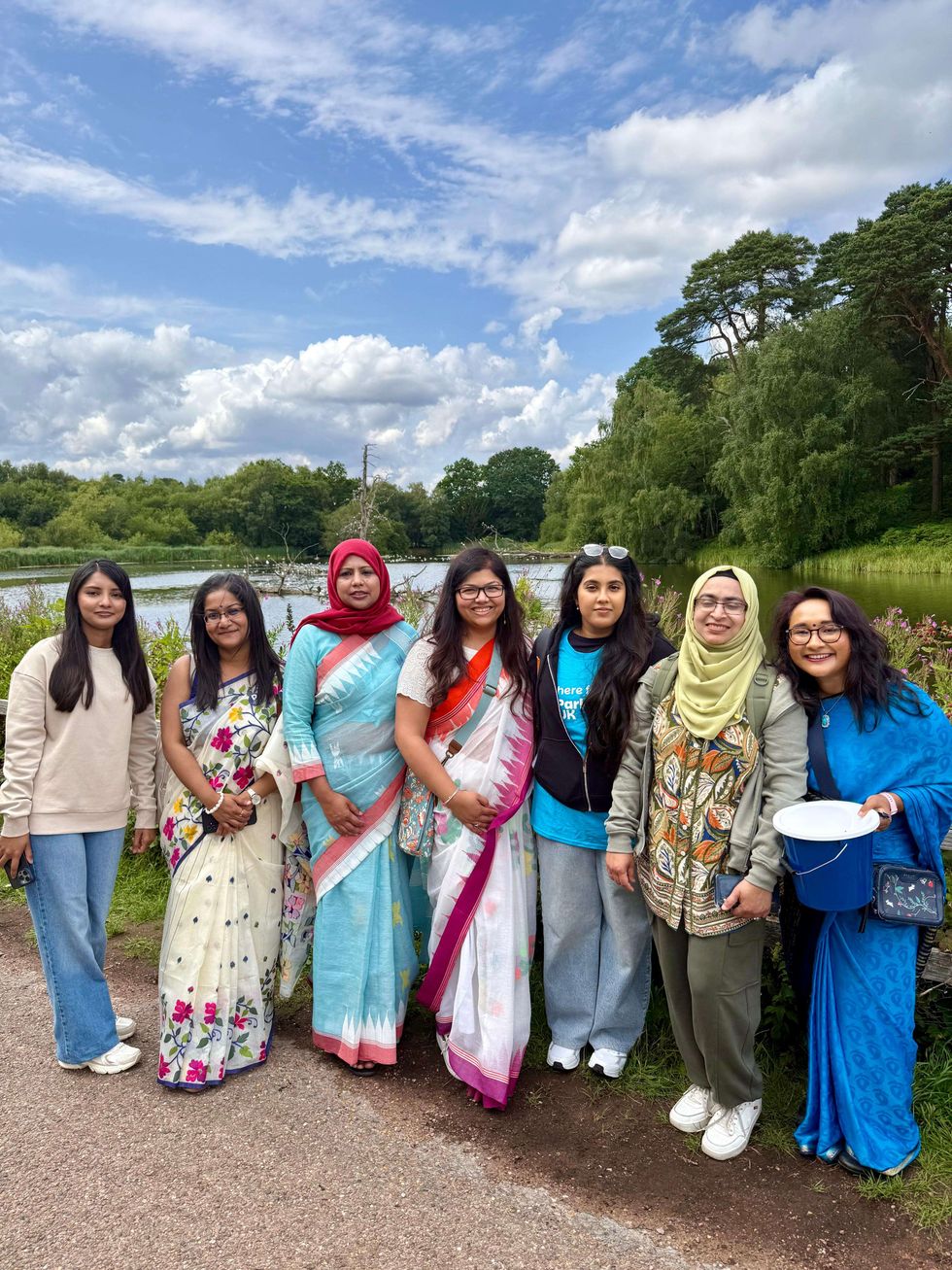 It was organised by the Dhaka Medical College Alumni Association UKParkinson’s UK
A growing need for awareness
Parkinson’s is the fastest-growing neurological condition in the world, affecting 166,000 people across the UK. With over 40 symptoms, ranging from tremor and pain to anxiety, the condition has no cure.
Ailsa Dragan, Community Fundraiser for Yorkshire at Parkinson’s UK, praised the effort:
“We’re so grateful to Dr Islam, the DMC Alumni Association UK, and everyone who both organised and took part in the walk to make it such a great success.”
For the organisers, the walk was both a cultural celebration and a commitment to supporting those living with Parkinson’s – and a reminder that small community-led efforts can make a meaningful difference.