
Highlights
- Indian-American World Bank president Ajay Banga joins Trump's Gaza 'Board of Peace'
- Executive board members will manage key areas including governance, reconstruction, investment and regional relations for Gaza's future.
- Initiative forms part of Trump's 20-point plan seeking to end conflict through immediate ceasefire, hostage release and economic revitalisation.
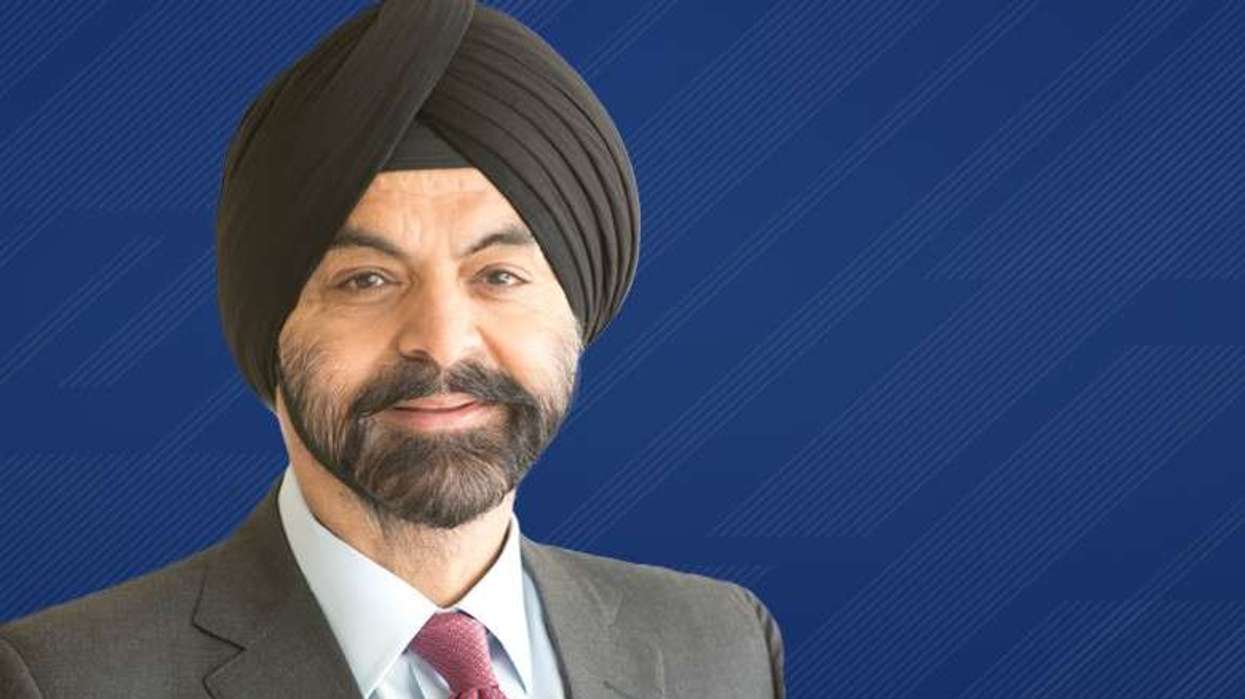
Ajay Banga, the Indian-American head of the World Bank Group, has been selected for president Donald Trump's newly formed 'Board of Peace' aimed at rebuilding Gaza and ending the ongoing conflict.
The White House announced the founding Executive Board members on Friday, bringing together figures experienced in diplomacy, infrastructure development and economic planning.
Joining Banga on the board are US secretary of State Marco Rubio, Middle East special envoy Steve Witkoff, Trump's son-in-law Jared Kushner, former British prime minister Tony Blair, Apollo Global Management chief Marc Rowan, and deputy national security advisor Robert Gabriel.
According to the White House, board members will each supervise specific areas crucial to Gaza's recovery and future prosperity.
These portfolios span governance development, regional diplomatic ties, physical reconstruction, attracting private investment, securing major funding, and mobilising capital resources.
Further appointments to both the Executive Board and Gaza Executive Board are expected in upcoming weeks.
In a parallel security appointment, major general Jasper Jeffers from US Special Operations Command Central will command the newly established International Stabilisation Force.
His responsibilities include leading security missions, facilitating complete demilitarisation, and ensuring humanitarian assistance and building materials reach Gaza safely.
The White House emphasised America's dedication to the transitional framework, stating it would work closely with Israel, Arab partner nations, and global allies to fulfil the plan's goals.
Trump has urged complete cooperation from all involved parties with the National Committee for the Administration of Gaza, the Board of Peace, and the stabilisation force to enable rapid plan execution.
Gaza peace framework
This board represents a crucial element of the second phase in Trump's wide-ranging Gaza strategy, a 20-point framework designed to bring enduring peace, stability, reconstruction and economic growth to the territory.
Under the proposal, agreement from both sides would trigger an immediate halt to fighting.
Israeli military forces would pull back to designated positions ahead of hostage releases, with all combat operations including airstrikes suspended. Battle positions would stay fixed until conditions allow for gradual, complete withdrawal.
The economic component envisions a development scheme to transform and energise Gaza, drawing on expertise from specialists who helped create contemporary urban centres across the Middle East.
The framework welcomes investment pitches and development concepts from international organisations, which would be evaluated to create security and governance structures capable of drawing investment and creating employment opportunities.
Plans include creating a designated economic zone offering favourable tariff arrangements and market access terms through negotiations with participating nations.
The proposal guarantees no forced relocations from Gaza while allowing voluntary departure and return. "We will encourage people to stay and offer them the opportunity to build a better Gaza," the plan states.