After the Indian government urged WhatsApp to do its part to prevent the spread of fake news, the messaging platform on Tuesday (10) published advertisements in newspapers urging users to check the authenticity of messages before forwarding them.
In recent times, India, which is WhatsApp's biggest market with more than 200 million users, has seen an increase in the number of mob killings prompted by fake messages spread through WhatsApp.
"Together we can fight false information," read full-page advertisements in some top English language-newspapers.
A spokesperson for the messaging platform told Reuters that it was starting a campaign in India aimed at educating people to spot fake news and rumours. "Our first step is placing newspaper advertisements in English and Hindi and several other languages. We will build on these efforts," the spokesperson said in a statement.
Last week, the government had asked Facebook-owned WhatsApp to take measures to stop the spread of “irresponsible and explosive messages filled with rumours and provocation” on its platform.
The messaging platform responded to the letter saying it was also “horrified by these terrible acts of violence.”
“We believe this is a challenge that requires government, civil society and technology companies to work together,” said WhatsApp.
Pointing out one of the measures it was testing to prevent the spread of fake news, WhatsApp said: "We have been testing a new label in India that highlights when a message has been forwarded versus composed by the sender. This could serve as an important signal for recipients to think twice before forwarding messages because it lets a user know if content they received was written by the person they know or a potential rumor from someone else. We plan to launch this new feature soon.”





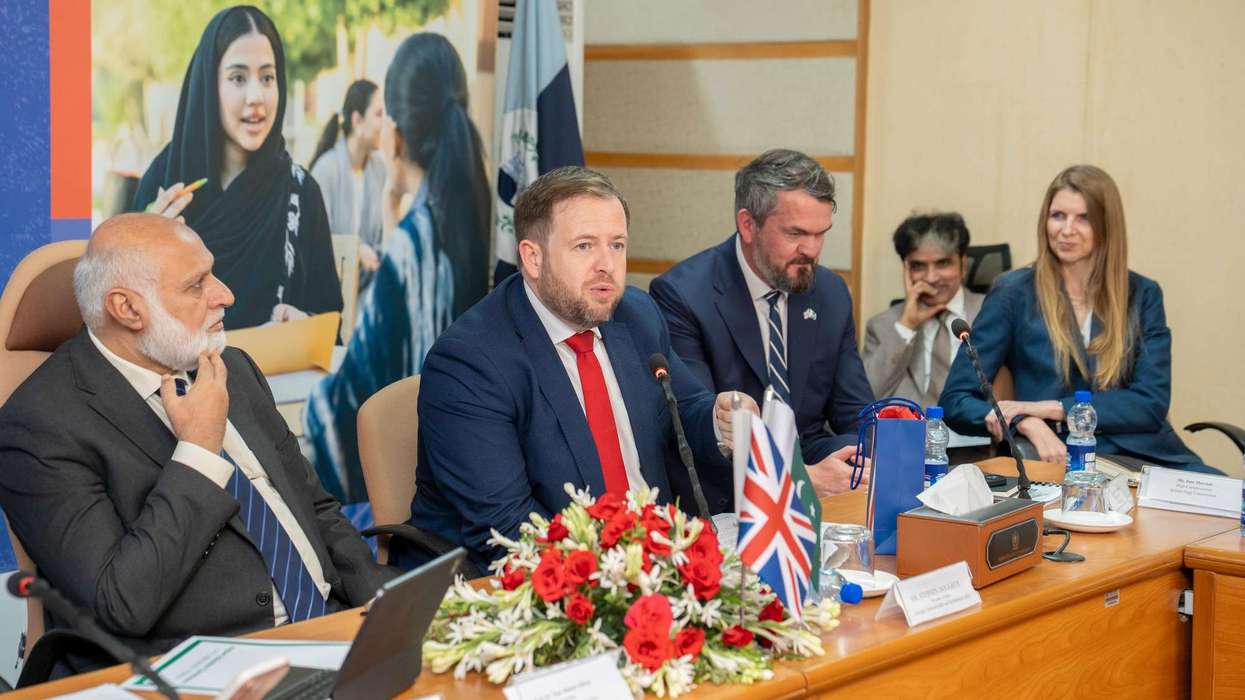
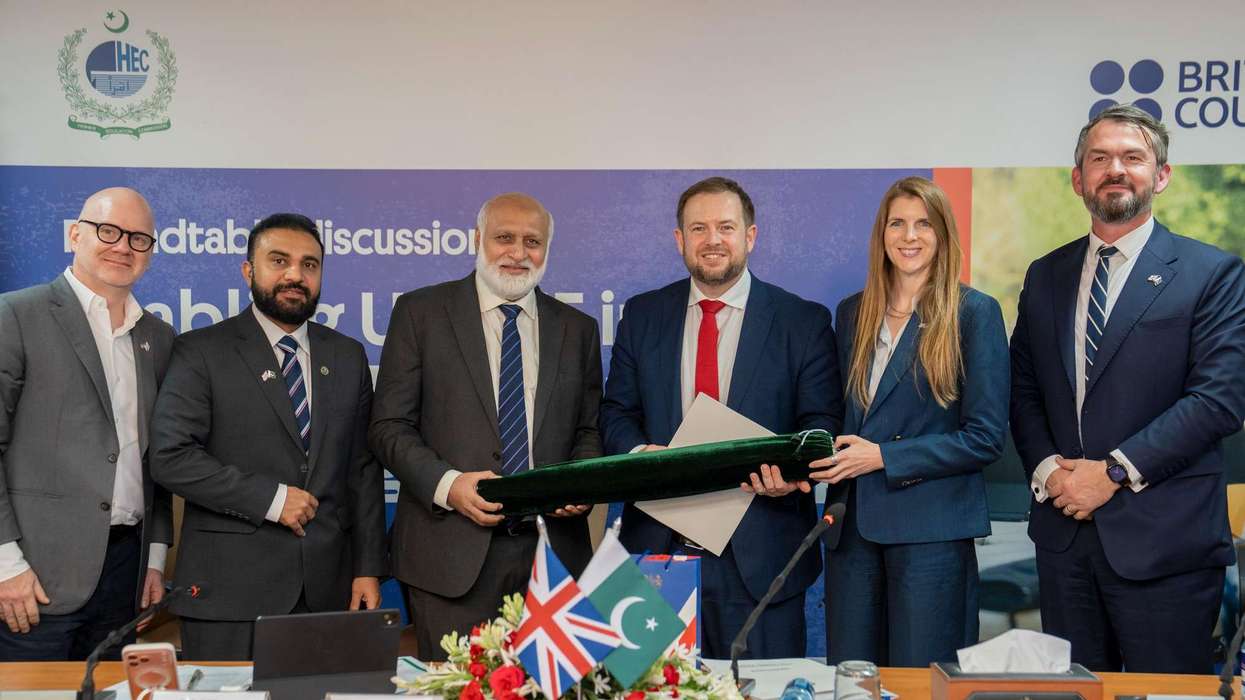 Doughty announced more than £300,000 in new funding to support links between British and Pakistani universitiesFCDO
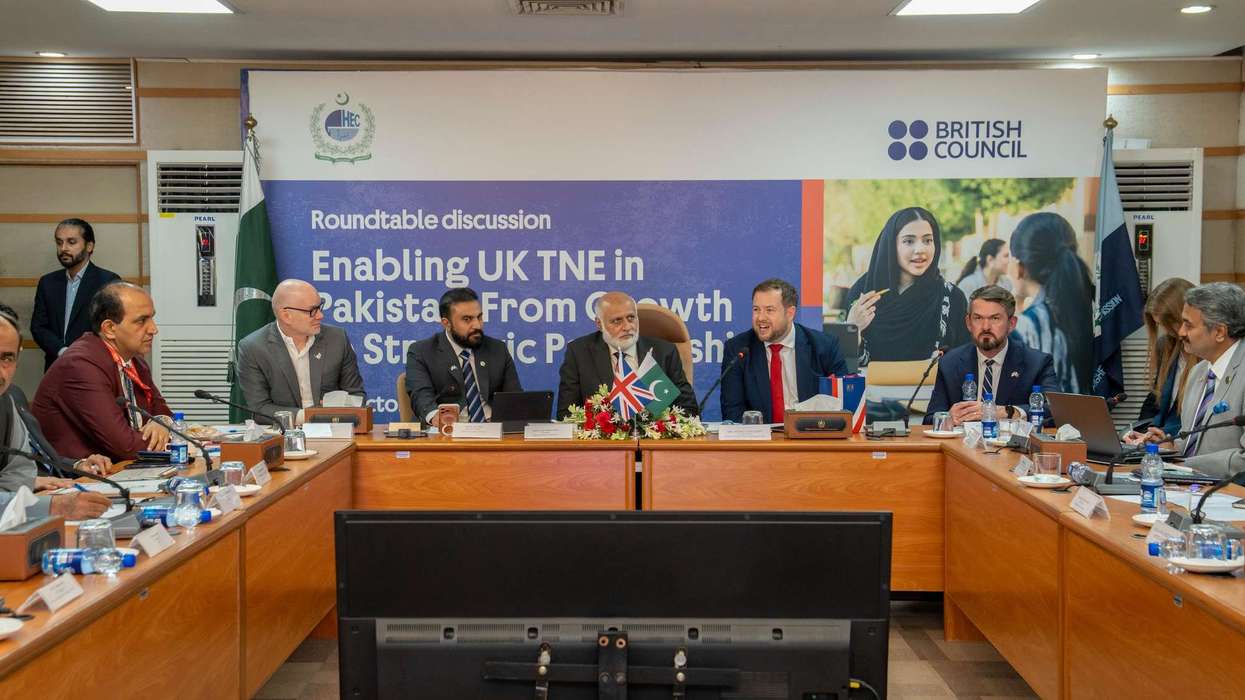 The UK government’s International Education Strategy aims to increase the value of education exports to £40 billion a year by 2030FCDO