
- UK defence sources confirm options to capture a shadow fleet tanker
- More than 200 Russia-linked vessels are believed to be in operation
- Russia’s oil and gas revenues fell 24 per cent in 2025
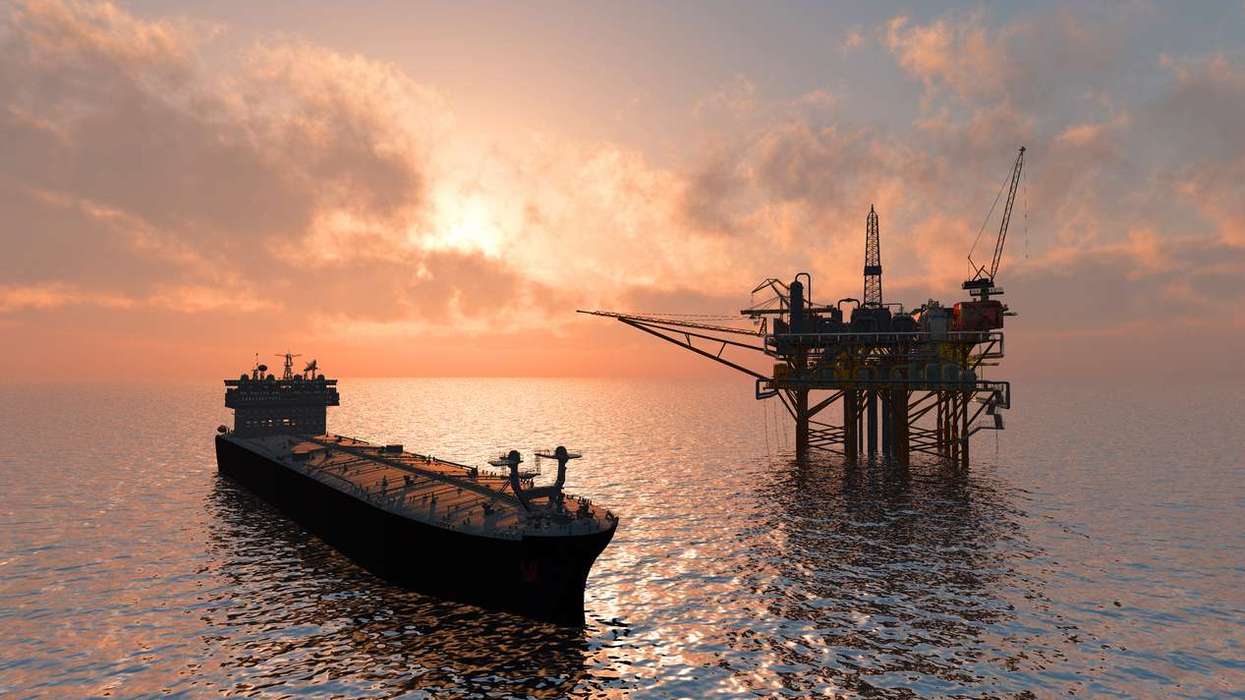
The UK is said to be considering the seizure of a Russia-linked shadow fleet tanker, a move that could open a new maritime front against Moscow.
British defence sources have confirmed that military options to intercept and capture a so-called rogue vessel have been discussed with Nato allies. The talks follow a US-led operation a month ago in which the tanker Marinera was seized in the north Atlantic between Scotland and Iceland, reportedly with British support.
In January alone, 23 shadow fleet ships using false or fraudulent flags were spotted in the Channel or the Baltic Sea, according to Lloyd’s List Intelligence. Many of these vessels are believed to be involved in transporting Russian oil by sea, largely to China, India and Turkey.
A joint statement signed in late January by the UK, Germany, France and other Nato countries bordering the Baltic and North seas warned that vessels sailing through the region must “strictly comply with applicable international law”. Despite that, no further seizures have followed.
Richard Meade, editor-in-chief of Lloyd’s List, reportedly said the Royal Navy could legally challenge ships that are effectively stateless under maritime law, as quoted in a news report. However, he suggested the government has so far avoided action because of the risk of escalation.
One person present at a recent briefing by the Royal Marines to MPs and peers reportedly said forces were “champing at the bit” to be given the order to seize a vessel.
The shadow fleet under scrutiny
Russia exports around 7m barrels of oil a day, with roughly 5 to 6m barrels transported by sea, according to Craig Kennedy of Harvard University’s Davis Center. Around 60 per cent of those seaborne exports are thought to go to China and India.
After the invasion of Ukraine, western countries imposed sanctions and introduced a price cap on Russian crude shipped by sea. In response, Moscow is estimated to have spent around $15bn (£11.8bn) acquiring roughly 400 ageing tankers, many more than 20 years old, to build what has become known as its shadow fleet.
These vessels are often underinsured, owned through opaque structures and registered under flags from jurisdictions with limited oversight. Gonzalo Saiz Erausquin of the Royal United Services Institute described them as “old, poorly maintained ships” operating under weak or false flags, as quoted in a news report.
Under maritime law, a ship’s flag determines its legal jurisdiction. If a vessel is using false or multiple flags, it may in theory be treated as stateless and therefore open to seizure. However, the legal interpretation varies between European countries.
There are signs that Moscow has begun re-registering some shadow fleet vessels under the Russian flag in an apparent effort to shield them from capture. The Marinera was reportedly among 10 tankers that reflagged to Russia in December and January.
More than 200 Russia-linked shadow fleet vessels are still believed to be operating. At the same time, Russia’s mainstream, Russian-flagged fleet is expanding and now accounts for 51 per cent of export volumes, with the existing price cap widely viewed as easy to circumvent.
Oil revenues under strain
The debate over possible seizures comes as Russia’s economy shows signs of strain. Yuliia Pavytska of the Kyiv School of Economics Institute said oil and gas revenues for the Kremlin fell 24 per cent in 2025 to 8.5tn rubles, as quoted in a news report. She added that these revenues accounted for 22 per cent of state income in 2025, down from 41 per cent in 2022.
Global oil prices have also softened, partly due to increased supply from Venezuela, adding further pressure on Moscow’s finances.
John Healey, the UK defence secretary, said in late January that Britain would host a meeting of Baltic and Nordic countries to discuss possible military options. He suggested that any oil seized could be sold and the proceeds directed to Ukraine’s war effort.
Analysts appear divided on how much impact the capture of one or two vessels would have on Russia’s overall exports, which remain above 5m barrels a day despite a dip from an autumn peak of 6m.
For now, the question is whether the UK will move from warnings to action — and how Moscow might respond if it does.