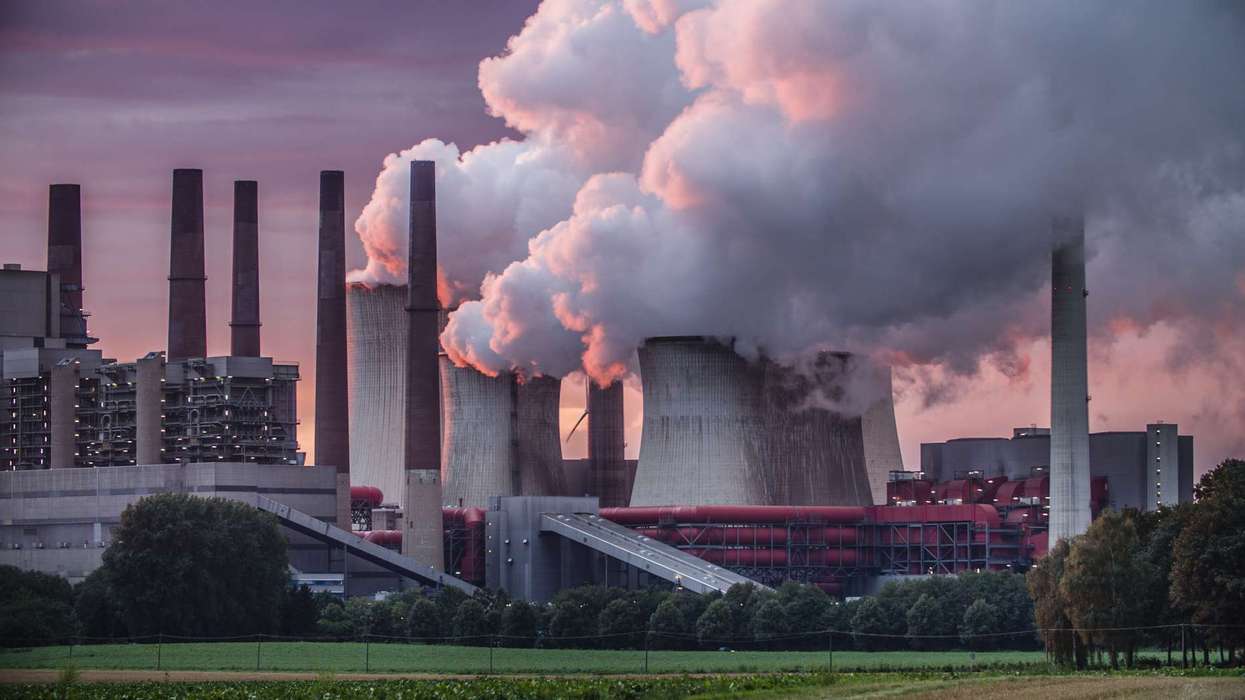

- UK government backs reopening of Teesside CO2 plant with £100m.
- Fears grow over shortages linked to Middle East conflict and energy prices.
- CO2 remains critical for food, healthcare and manufacturing sectors.
The UK government is moving to restart a mothballed carbon dioxide plant in Teesside, committing around £100m to bring it back online as concerns grow over supply shortages.
The facility, operated by Ensus, had been closed in September after changes to trade conditions made production less viable. Now, with rising global tensions and energy costs threatening supply, ministers appear to be stepping in to secure domestic production.
CO2 is not something most people think about daily, but it plays a quiet role across industries — from fizzy drinks and food packaging to hospital procedures and meat processing. A disruption in supply can ripple quickly through supply chains.
Peter Kyle approved the reopening, with the Department for Business and Trade confirming the plant will initially operate for three months. There is an expectation it could continue beyond that if conditions allow.
War, energy and an old vulnerability
The decision is being linked to wider global instability, particularly the ongoing conflict involving Iran, which has pushed up oil and gas prices and raised concerns about industrial supply chains.
An unnamed government official suggested the situation carried a degree of irony, noting the plant had originally shut following a trade deal with Donald Trump, but is now reopening due to geopolitical tensions connected to the same administration, as quoted in a news report.
The UK has faced similar issues before. In 2021, a surge in gas prices disrupted fertiliser production — one of the main sources of CO2 — forcing the government to step in. Even earlier, in 2018, shortages led to food production issues, with companies struggling to preserve goods.
Grant Pearson, chair of Ensus UK, said the restart would help stabilise supply for key sectors, including food, healthcare and manufacturing, as quoted in a news report.
Keeping supply chains steady
The government has framed the move as part of a broader effort to protect critical industries from global shocks. Officials have pointed to multiple risks — rising gas prices, disruptions in European fertiliser output and maintenance issues at major plants — all of which could tighten CO2 supply.
Energy consultancy Cornwall Insight has warned that businesses could face electricity bill increases of 10 per cent to 30 per cent, while gas costs may rise between 25 per cent and 80 per cent, adding further strain.
Kyle said the intervention was aimed at strengthening supply chain resilience and shielding businesses from global uncertainty, reportedly adding that the government had acted to support industries ranging from food production to healthcare.
The Teesside plant, which has been operating since 2010, converts wheat into bioethanol, with CO2 as a byproduct. It employs around 100 people and now finds itself back at the centre of a familiar issue — how to keep essential but often overlooked industrial supplies flowing when global conditions shift.