
- Prime London property prices fall up to 25 per cent in some areas
- Weak economic signals dampen buyer confidence and activity
- Limited supply helps prevent sharp distress selling
The UK property market is showing signs of strain, with slowing economic growth and rising uncertainty beginning to weigh on both prices and buyer activity. Fresh analysis from Glentree Estates points to a cooling market, particularly at the higher end, as confidence weakens.
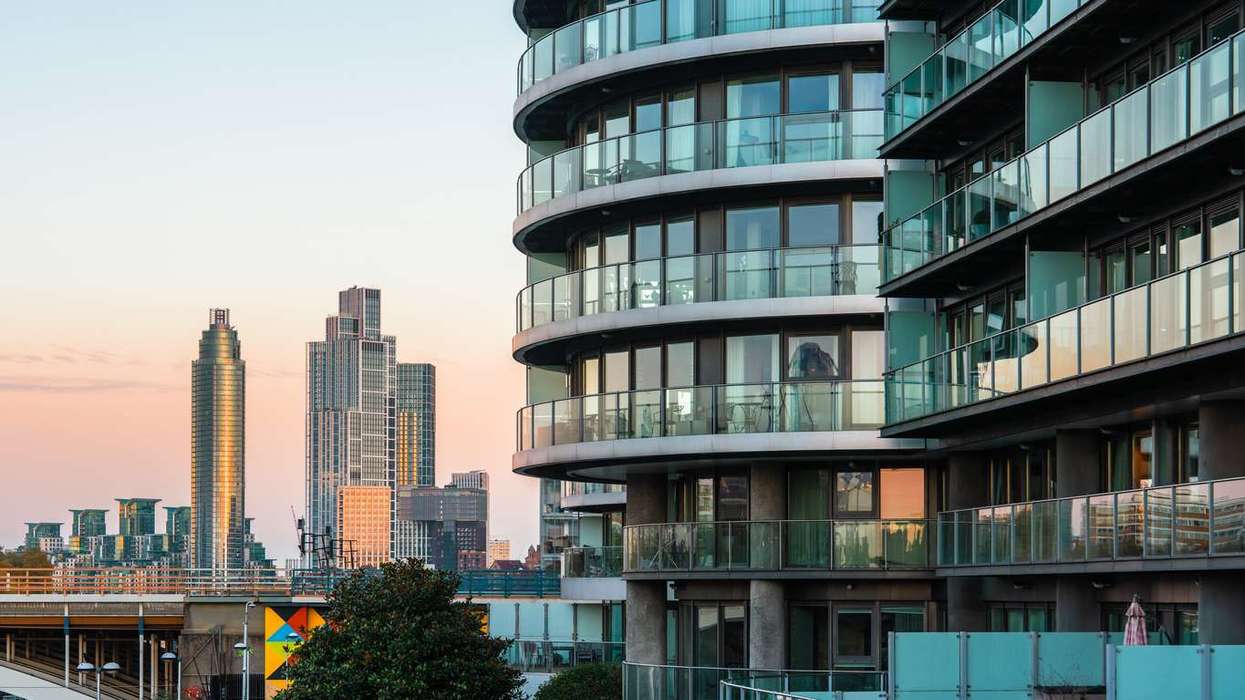
A mix of factors including inflation concerns, higher interest rates and softer business sentiment appears to be shaping what some in the sector describe as a cautious mood. The impact is most visible in the prime London property market, where transaction volumes have thinned and price adjustments are becoming more noticeable.
Prime London takes the biggest hit
According to Trevor Abrahmsohn of Glentree Estates, the upper tiers of the market have seen the sharpest slowdown. Prices in parts of prime central London have fallen by around 20 to 25 per cent, while homes priced between £1 million and £3 million have dropped by roughly 10 per cent.
He reportedly said in a news report that a broader “feel-bad factor” is emerging, driven by weakening indicators such as productivity, youth employment and overall economic confidence.
Even so, the expected wave of forced sales has not materialised. Many sellers appear to be holding firm, with limited pressure to offload properties. As a result, supply remains tight, which is helping to stabilise prices despite weaker demand.
Attention is also turning to policy decisions that may be holding the market back. Stamp Duty Land Tax, last overhauled in 2014 under George Osborne, is seen by some as restricting transactions and discouraging movement within the market.
Another factor is the removal of non-domicile tax status, which has reportedly led to an estimated 16,000 individuals leaving the UK. This shift is believed to have had a noticeable impact on demand at the top end of the London market.
Abrahmsohn reportedly said in a news report that introducing a flat annual levy of £250,000 could help attract international buyers back, although whether such a move would gain traction remains unclear.
Signs of resilience, but recovery uncertain
Despite the broader slowdown, there are pockets of activity. Sales in the £5 million to £10 million range have held up better than expected, suggesting that parts of the market are still moving, albeit cautiously.
There are also early signs that UK property could become more attractive globally. A weaker pound, combined with recent price corrections, is making prime London assets look comparatively better value to overseas buyers.
Still, any meaningful recovery is likely to depend on a mix of improved economic conditions and policy adjustments. For now, the market appears to be holding steady, but without strong momentum.