There was "a serious problem" with the way British news outlets reported on Islam and Muslims, and this is contributing to Islamophobia, said a major analysis by the Muslim Council of Britain.
Following an analysis of more than 10,000 articles and television clips from the last three months of 2018, the study concluded that 59 per cent of print articles associated Muslims with negative behaviour.
The study found the Mail on Sunday had the most negative coverage of Islam, with 78 per cent of its stories associating Muslims having negative themes. Other titled such as The New Statesman, Observer and Guardian were the least likely to portray Muslims in a negative light.
The study also noted that television fared better than print. Local television broadcasts were particularly likely to feature more positive stories about Islam.
Miqdaad Versi of the Muslim Council of Britain has urged journalists to include more positive news about Muslims and not simply focus on terrorists.
“You need to ensure that when you write a negative story it is fair and reflective and doesn’t generalise about all Muslims and feed into a broader far-right narrative,” he was quoted as saying by The Guardian.
“In addition to that there’s an issue of standing back and looking at all the stories out there and seeing if we’re reflecting all the stories. Are we only covering the worst Muslims out there?”
“The way that the media reports on Islam and Muslims plays a role in Islamophobia,” he said. “This is not about censorship, this is about transparency.”
The Muslim Council of Britain's Centre for Media Monitoring is set to present its findings in Parliament on Tuesday (9). This will be the first in a series of quarterly studies that would "serve as a valuable resource for journalists and editors alike," said the report's co-author Faisal Hanif.





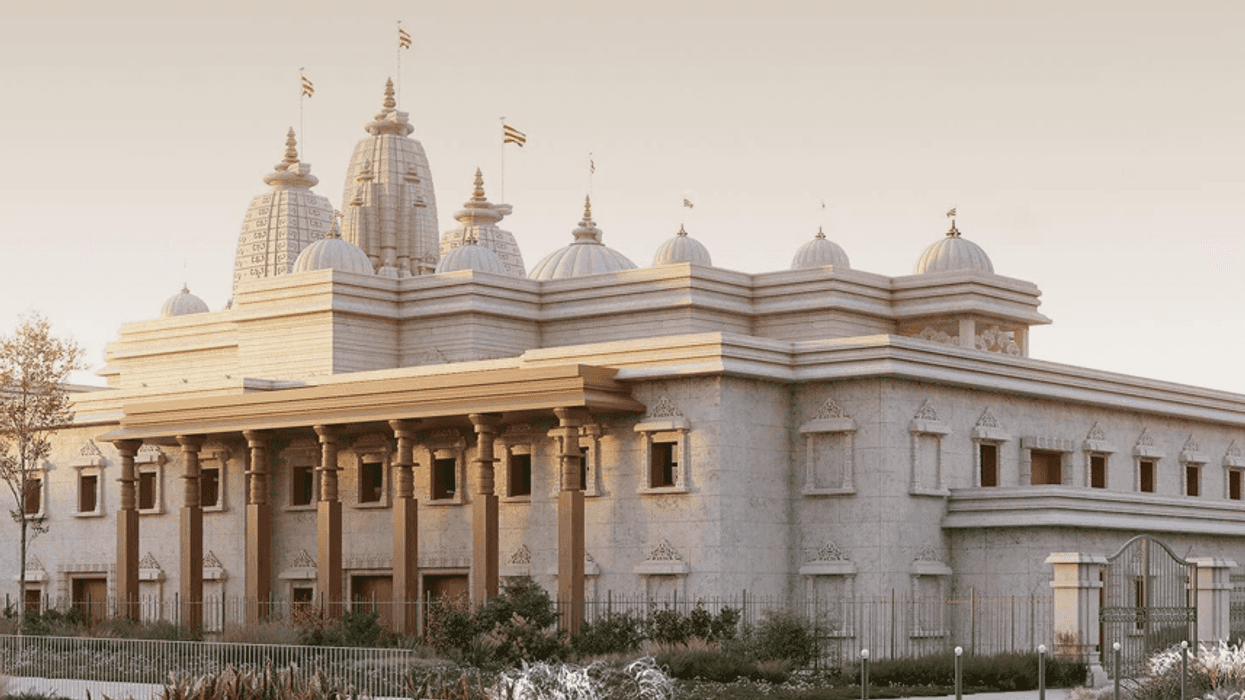
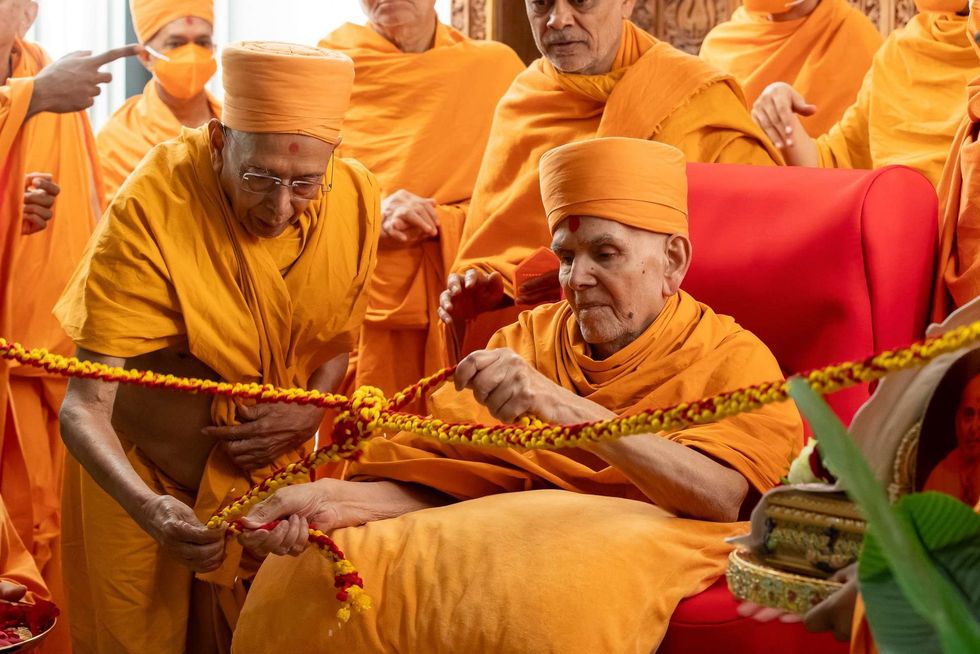 Mahant Swami Maharaj arrives in France ahead of the Paris Mandir Mahotsav BAPS Paris Media
  Historic Jal Yatra starts at the iconic Eiffel TowerBAPS Paris Media
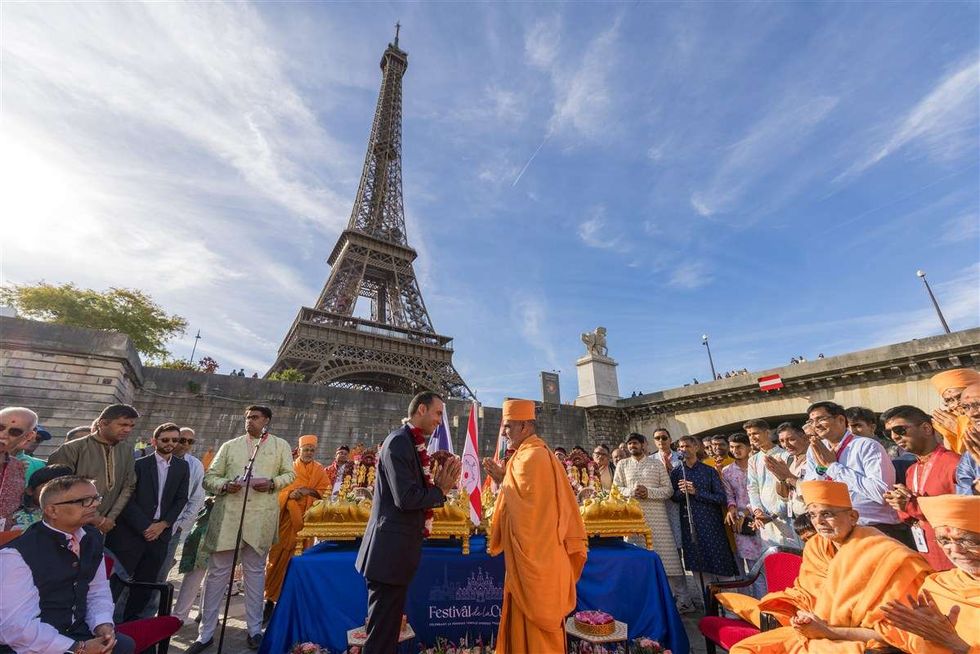 Organisers called it the largest coordinated flotilla to sail the Seine since the opening ceremony of the Paris 2024 Olympic GamesBAPS Paris Media
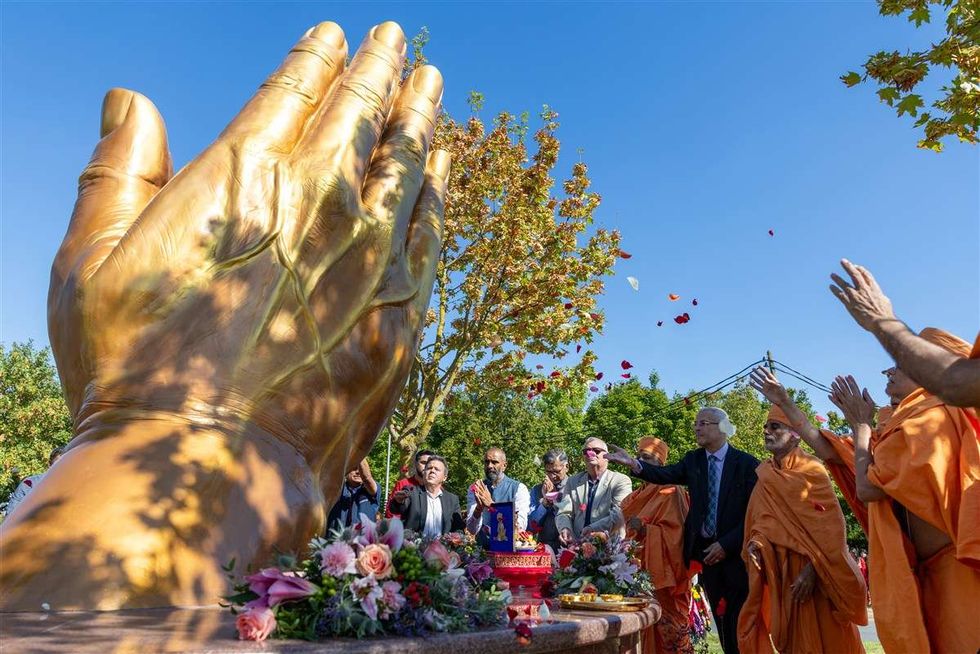 A sculpture of folded hands in the traditional Indian gesture of namaste was unveiled at a roundabout in Bussy-Saint-Georges this weekBAPS Paris Media