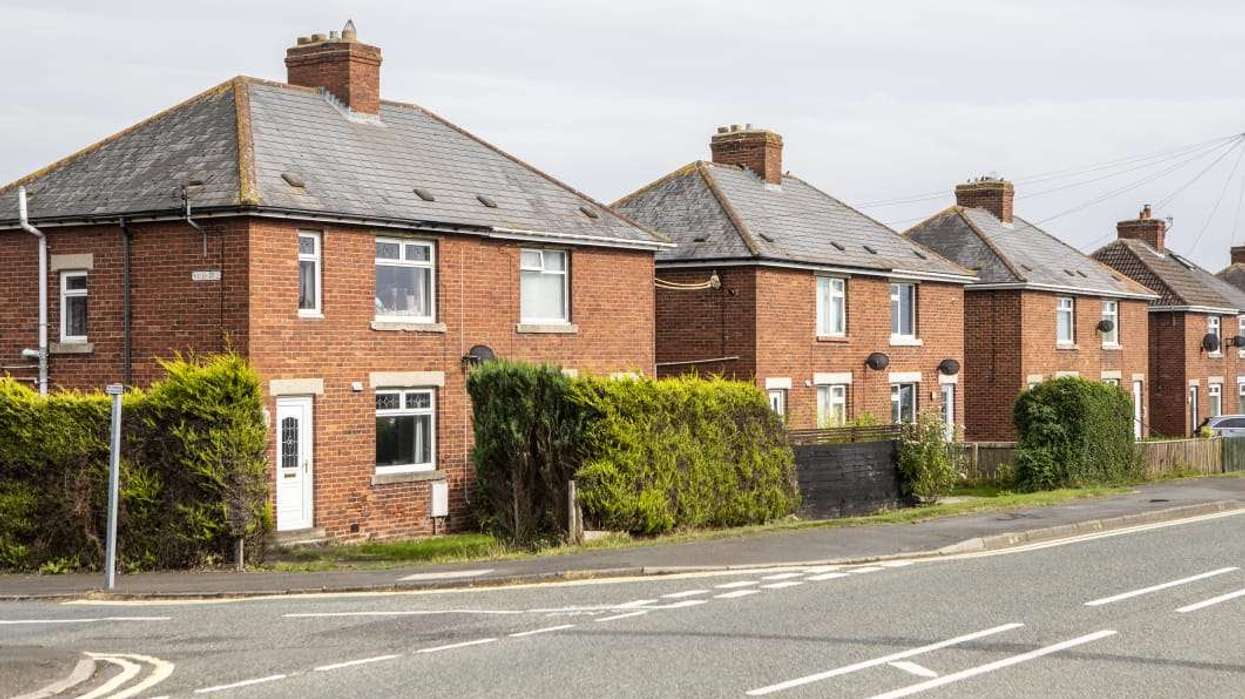

- Average UK home now costs £300,077, says Halifax.
- Prices rose 0.7 per cent in January, fastest since November 2024.
- Affordability remains stretched despite lower interest rates.
The average price of a UK home has moved past £300,000 for the first time, according to new figures from Halifax, in what appears to be a modest revival in the housing market at the start of 2026.
Halifax said prices rose 0.7 per cent month on month in January, the sharpest increase since November 2024, when they climbed 1.1 per cent. On an annual basis, growth stood at 1 per cent. The lender, which is part of Lloyds, estimates the typical UK property now costs £300,077.
Not everyone agrees on the exact number. Nationwide, which also publishes a monthly house price index, puts the average lower at £270,873. The difference reflects variations in data sets and methodology, but the direction of travel appears broadly similar.
This latest rise follows a quieter end to 2025. Prices had slipped 0.5 per cent month on month in December, a figure Halifax has revised down from an earlier estimate of 0.2 per cent.
A steady start, but pressure remains
Amanda Bryden, head of mortgages at Halifax, reportedly said the market entered 2026 on a “steady footing”, describing the £300,000 mark as a milestone, as quoted in a news report. She added that while activity levels suggest resilience, affordability remains a hurdle for many buyers. Halifax expects prices to edge up between 1 per cent and 3 per cent over the year.
Nationwide has offered a slightly stronger forecast, predicting annual growth of between 2 per cent and 4 per cent.
Borrowers have been helped by a series of base rate cuts from the Bank of England’s monetary policy committee. The committee has reduced rates six times since mid-2024. The most recent cut came in December.
On February 6, the Bank held the base rate at 3.75 per cent, citing persistent inflation, which rose to 3.4 per cent in December after five months of decline. The narrow 5–4 vote split has led some analysts to anticipate further cuts later in the year, though that remains uncertain.
Karen Noye, a mortgage expert at Quilter, reportedly said that if additional rate reductions materialise, they are more likely to provide gradual support for affordability rather than trigger a sharp jump in prices. Stability may have returned, she suggested, but enthusiasm has not.
Regional gaps tell their own story
Price growth varies sharply across the UK. Northern Ireland is recording the strongest annual increase at 5.9 per cent, with average prices at £217,206. Scotland follows at 5.4 per cent, where homes cost £221,711 on average.
Wales has seen more subdued growth of 0.5 per cent, with properties priced at £228,415. In England, the north-west is leading with 2.1 per cent annual growth, pushing the average to £244,329.
Anthony Codling, an analyst at RBC Capital Markets, reportedly said that although affordability remains stretched, rising wages, lower mortgage rates and eased lending limits have helped lift prices nationally.
Whether this momentum builds or flattens out may depend largely on interest rates and inflation in the months ahead. For now, the £300,000 threshold has been crossed, but for many would-be buyers, the question remains how manageable that number really is.