
Highlights
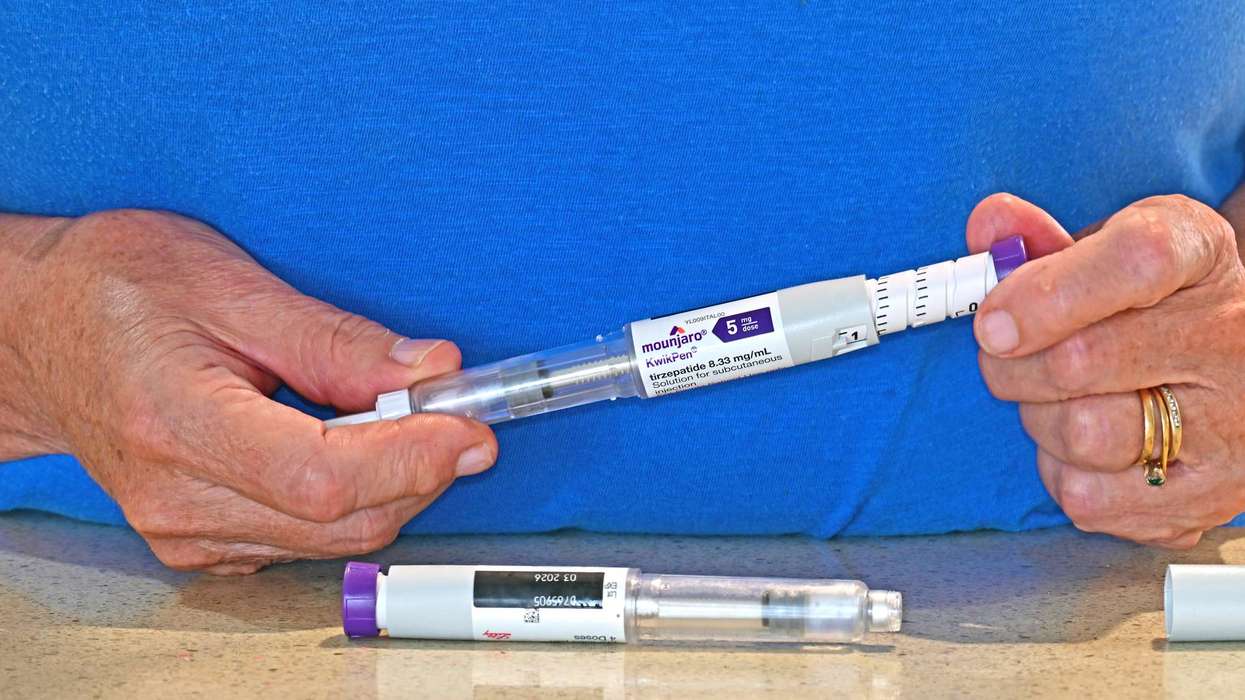
- GPs in England will receive £3,000 annual bonuses to prescribe Mounjaro under the new NHS GP contract from April.
- GPs will also receive an additional £1,000 for referring patients to weight loss programmes .
- Obesity experts warn NHS access will remain very limited despite the new incentive payments.
Health secretary Wes Streeting told BBC "Weight loss drugs can be a real game changer for those who need them. I'm determined that access should be based on need, not ability to pay.
Investing in general practice will help bring this modern medicine to the many, not just the few, and help shift the focus of the NHS from treatment to prevention."
More than one million people are estimated to be using weight loss drugs, given as injections, with nine in ten paying for them privately.
Experts raise concerns
This marks the first time weight loss drugs have been included in the GP contract. Currently, Mounjaro access is restricted to those who are severely obese with a BMI of over 40 and certain health conditions.
Next year eligibility will widen to those with a BMI of over 35, with 220,000 patients expected to be on Mounjaro through the NHS by 2028. Eligibility thresholds are lower for certain ethnic groups.
However, obesity experts warned the scheme would have limited impact. Katharine Jenner, director of the Obesity Health Alliance, said the incentives were a welcome step but cautioned "This doesn't mean weight loss drugs will suddenly be available to everyone who wants them.
NHS access will remain very limited and focused on those with the greatest clinical need."
Medical bodies respond
Dr Katie Bramall of the British Medical Association told BBC that the proposals would "do nothing over the next year to address the divide between those able to pay and those left waiting unable to afford private self-funded treatments."
Prof Victoria Tzortziou Brown of the Royal College of GPs warned that widening the rollout "could end up increasing workload in a way that may not be sustainable and risk raising unrealistic expectations among patients who may not be eligible."