
Highlights
- EU reduces zero-emission requirement from 100 per cent to 90 per cent of new cars sold from 2035 onwards.
- German carmakers successfully lobbied for changes, citing low electric vehicle demand and potential heavy fines.
- UK transport experts urge government not to follow EU's lead and maintain its 2030 petrol and diesel ban.
The European Commission has softened its plans to ban new petrol and diesel car sales by 2035, following intense lobbying from carmakers, particularly in Germany.
The UK Government has firmly resisted following the EU's lead. A Department for Transport spokesperson confirmed "We remain committed to phasing out all new non-zero emission car and van sales by 2035."
Britain reinstated its 2030 ban on pure petrol and diesel vehicles in April, though hybrids will remain available until 2035.
However, the Conservative Party has pledged to scrap the ban entirely if it wins the 2029 general election, with leader Kemi Badenoch describing the Zero Emission Vehicles mandate as "well-meaning, but ultimately destructive legislation."
Under revised proposals, 90 per cent of new cars sold from 2035 must be zero-emission vehicles, down from the original 100 per cent target. The remaining 10 per cent can comprise conventional petrol or diesel cars and hybrids.
Sigrid de Vries, director general at the European carmakers association ACEA, noted that "flexibility" for manufacturers was "urgent."
The Commission expects increased use of biofuels and e-fuels, synthesised from captured carbon dioxide, to offset additional emissions from petrol and diesel vehicles. Carmakers will also be required to use low-carbon steel produced in the EU.
German manufacturer Volkswagen welcomed the proposal, calling it "economically sound overall" and describing the opening to combustion engines as "pragmatic and in line with market conditions."
UK concerns raised
However, critics warn the changes could undermine Europe's electric vehicle transition and leave it vulnerable to foreign competition. Green transport group T&E urged the UK not to weaken its own Zero Emission Vehicles Mandate.
Anna Krajinska, T&E UK's director, told BBC "The UK must stand firm. Our ZEV mandate is already driving jobs, investment and innovation into the UK. As major exporters we cannot compete unless we innovate, and global markets are going electric fast."
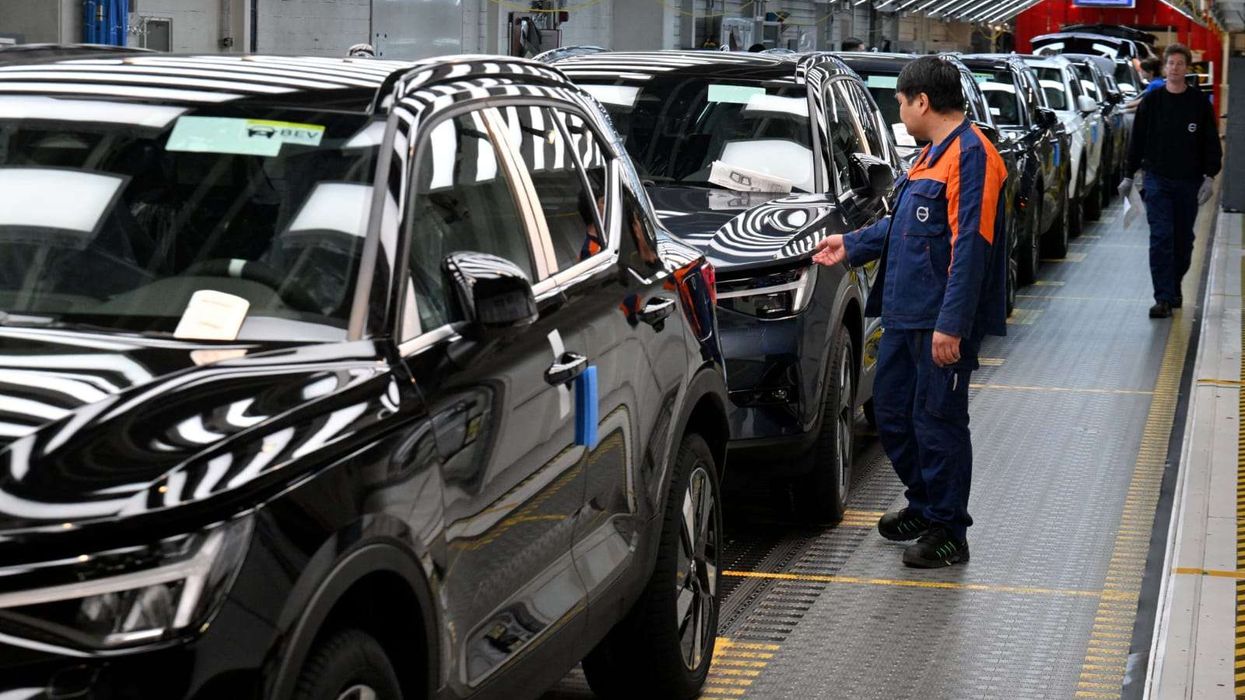
Volvo, which has built a complete electric vehicle portfolio, argued "Weakening long-term commitments for short-term gain risks undermining Europe's competitiveness for years to come."
Colin Walker from the Energy and Climate Intelligence Unit think tank emphasised that stable UK policy would encourage investment in charging infrastructure, citing Nissan's electric vehicle production in Sunderland as an example of successful policy outcomes.
Octopus Electric Vehicles chief executive Fiona Howarth warned that reducing UK targets would send "damaging signals to investors, manufacturers and supply-chain partners" who have invested heavily on the assumption Britain would maintain its commitment.