
By Murtuza Iqbal
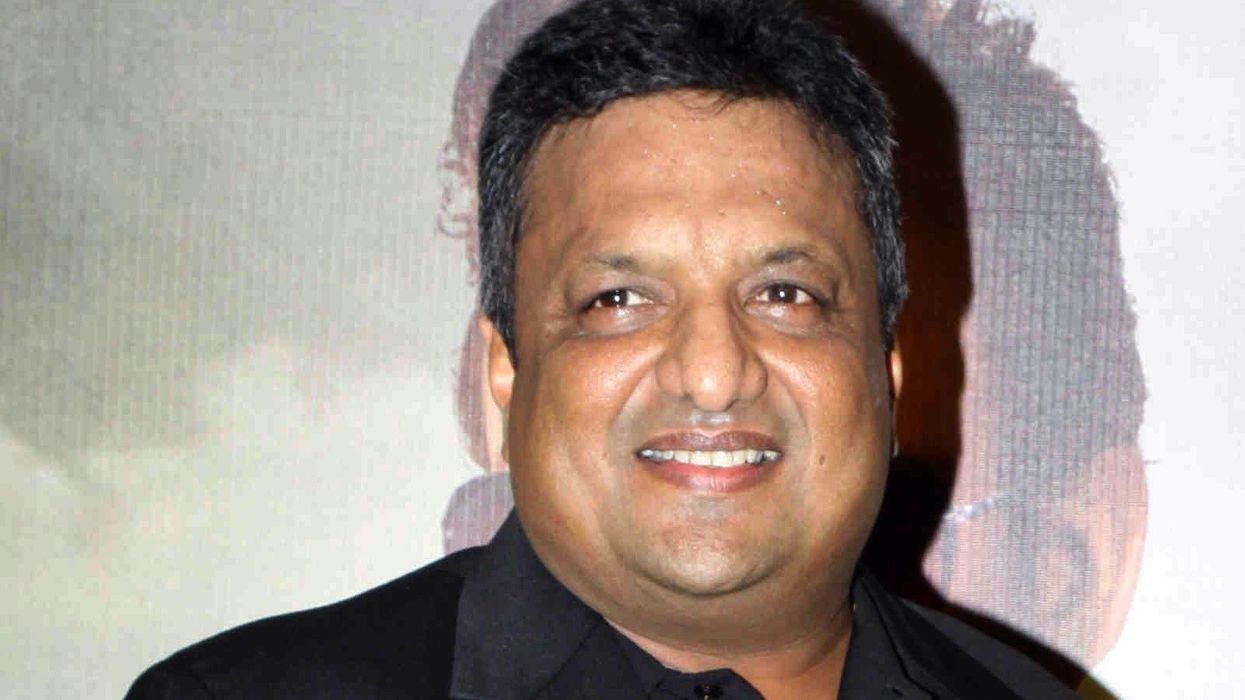
Sanjay Gupta’s Mumbai Saga released a few days ago. The movie received mixed reviews from critics and has underperformed at the box office due to the pandemic.
However, according to a report in Bollywood Hungama, the filmmaker is all set to start work on the third instalment of the Shootout series which is reportedly based on the 1992 shootout at JJ Hospital, Mumbai.
A source told the portal, “The Shootout series has been doing well at the box office; the two films in the series that have released so far have proved that there is an audience for such film. Keeping this in mind, Gupta is going ahead with the third film and is looking to start work on the same later this year.”
“Currently the industry buzz is that the film will be based on the 1992 shootout that happened at JJ Hospital between members of Dawood Ibrahim’s and Arun Gawli’s gang. Given the focus on the rivalry between these two gangs, the film is tentatively being titled Shootout 3: Gang Wars of Bombay,” added the source.
Further talking about the cast, the source stated, “Though the cast is yet to be locked, Gupta, who is adding final touches to the script that has been written by Rajat Arora, is looking to commence work on the venture later this year. In fact, Sanjay Gupta and Ekta Kapoor, whose Balaji Telefilms is also producing the film, are already in talks with a young actor to play the lead role.”
Shootout at Lokhandwala was written by Gupta and was directed by Apoorva Lakhia. The sequel Shootout at Wadala was written and directed by Sanjay Gupta. Both the movies were super hit at the box office.