
Highlights
- Track blends Indian classical grounding with 1990s Bollywood warmth and indie production
- London-shot video reflects migration, belonging and layered South Asian identity
- Artist balances authenticity with accessibility as an independent musician
Classical training as an internal compass
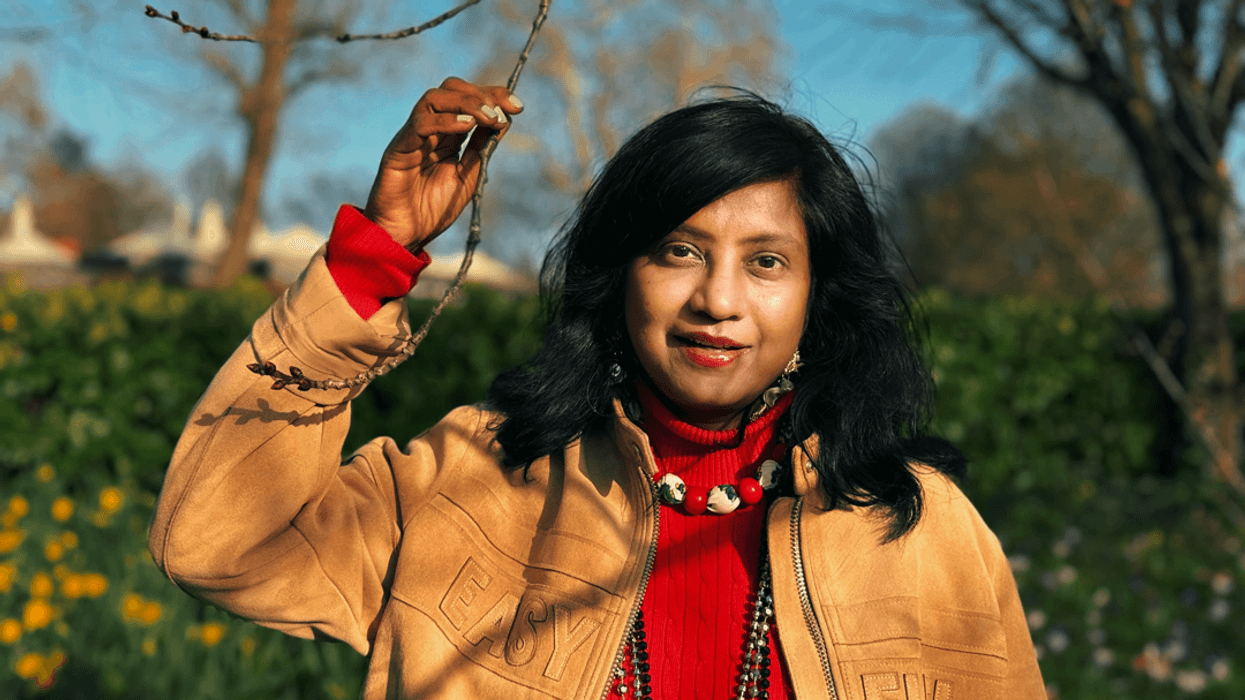
Years of Indian classical study shape how Sanchita Pandey approaches music, but she describes it as an instinct rather than a conscious technique. The discipline of swars, raags and taal informs the emotional texture of Aa Bhi Jaa, while voice training and “gaayiki” guide pitch, phrasing and tonal integrity. She explains that living within a tonal atmosphere — sometimes staying with a single raag for days — creates the meditative focus that underpins the composition and gives the song its nostalgic quality.
 The discipline of swars, raags and taal informs the emotional texture of Aa Bhi JaaSanchita Pandey
Balancing nostalgia with modern production
The single rests on an Indian classical sensibility, but its soundscape draws from the melodic storytelling of 1990s Bollywood alongside contemporary indie textures. Drums, pauses and layered arrangements provide a modern treatment, while the chorus refrain nods directly to classic Hindi film music. Producer Mayyank Solanki introduced current instrumental elements that allow the track to feel fresh without losing its emotional resonance.
London visuals and the language of diaspora
Filmed across London, including scenes around Piccadilly Circus and everyday public spaces, the video reflects Pandey’s experience of the city as welcoming and creatively liberating. The multicultural backdrop mirrors the song’s themes of longing and reflection, capturing what she describes as the coexistence of memory and aspiration — being rooted in one culture while embracing another. References to the cinematic legacy of London in Hindi cinema, from Kabhi Khushi Kabhie Gham to Namastey London, further shape its visual mood.
 She sees the single as part of a broader musical direction that consistently merges classical groundingSanchita Pandey
Independence, representation and what comes next
Creating the track as an independent artist meant managing both creative vision and production logistics, a process Pandey calls demanding but empowering. She sees the single as part of a broader musical direction that consistently merges classical grounding, Bollywood sensibility and modern arrangement, with future releases set to explore even wider genre influences. For her, representation lies in presenting South Asian music in its most authentic form while allowing it to evolve — creating songs that connect generations and cultures through a shared emotional language.