
CARS will be banished from miles of streets in central London to encourage more walking and cycling and help public transport cope with social distancing restrictions, Sadiq Khan said on Friday (15).
The London mayor said the plan covering major cross-town routes would transform parts of central London into one of the largest car-free zones in any capital city.
"Covid-19 poses the biggest challenge to London's public transport network in TfL's (Transport for London) history," he said.
"It will take a monumental effort from all Londoners to maintain safe social distancing on public transport as lockdown restrictions are gradually eased.
“That means we have to keep the number of people using public transport as low as possible. And we can’t see journeys formerly taken on public transport replaced with car usage because our roads would immediately become unusably blocked and toxic air pollution would soar.”
Passenger numbers on London's Underground network have fallen by 95 per cent since Britain went into lockdown in March, while the number of bus journeys has fallen by 85 per cent.
Earlier on Friday, the transport operator said it had secured £1.6 billion in government funding to cover a shortfall in revenue until October.
TfL has said the requirement to maintain a two-metre distance from other people will mean buses and the tube will only be able to carry 13-15 per cent of the normal number of passengers even when full services had been restored.
Khan said many more Londoners would therefore have to walk and cycle to keep the city moving.
Streets between London Bridge and Shoreditch, Euston and Waterloo and Old Street and Holborn may be limited to buses, pedestrians and cyclists, his office said.
Waterloo Bridge and London Bridge could also be restricted to people walking, cycling and buses only, with pavements widened to enable people to safely travel between busy railway stations and their workplaces.
London's congestion charge, payable by vehicles driving in a central zone, and ultra low emission zone will be reintroduced on Monday, the office said.
Under the proposals, the congestion charge could increase to £15 a day from £11.50 next month and the hours of operation extended as part of a package of temporary changes, it said.
“If we want to make transport in London safe, and keep London globally competitive, then we have no choice but to rapidly repurpose London’s streets for people,” said Khan.
“By ensuring our city’s recovery is green, we will also tackle our toxic air, which is vital to make sure we don’t replace one public health crisis with another. I urge all boroughs to work with us to make this possible.”
The mayor said the plan would require “fundamental reimagining” of life in London. “And this transformation will not be smooth. But I promise to be as clear and upfront with Londoners as possible about what we are doing, why and exactly what we need from you in order to keep us safe.”





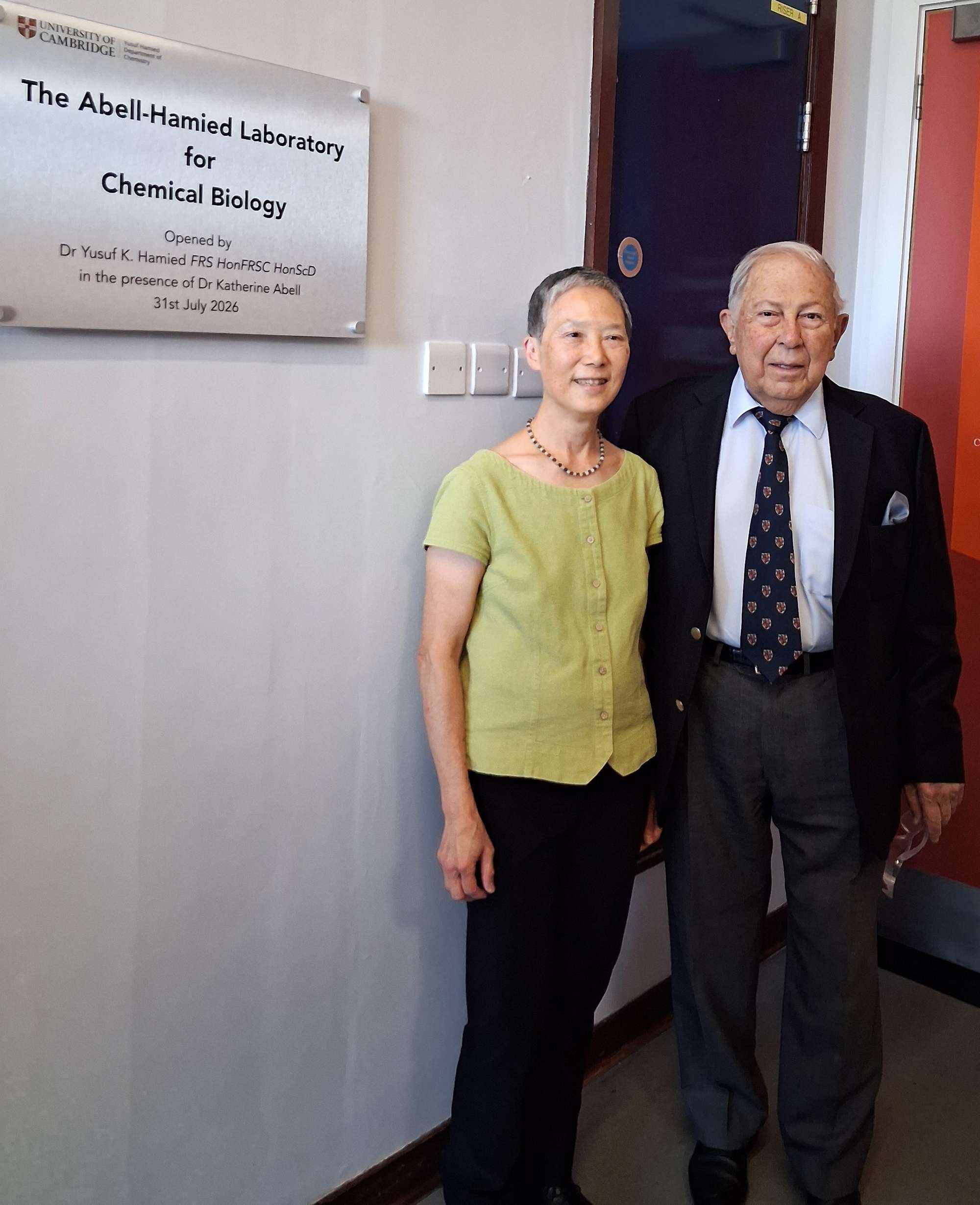 Katherine Abell and Yusuf Hamied Amit Roy
 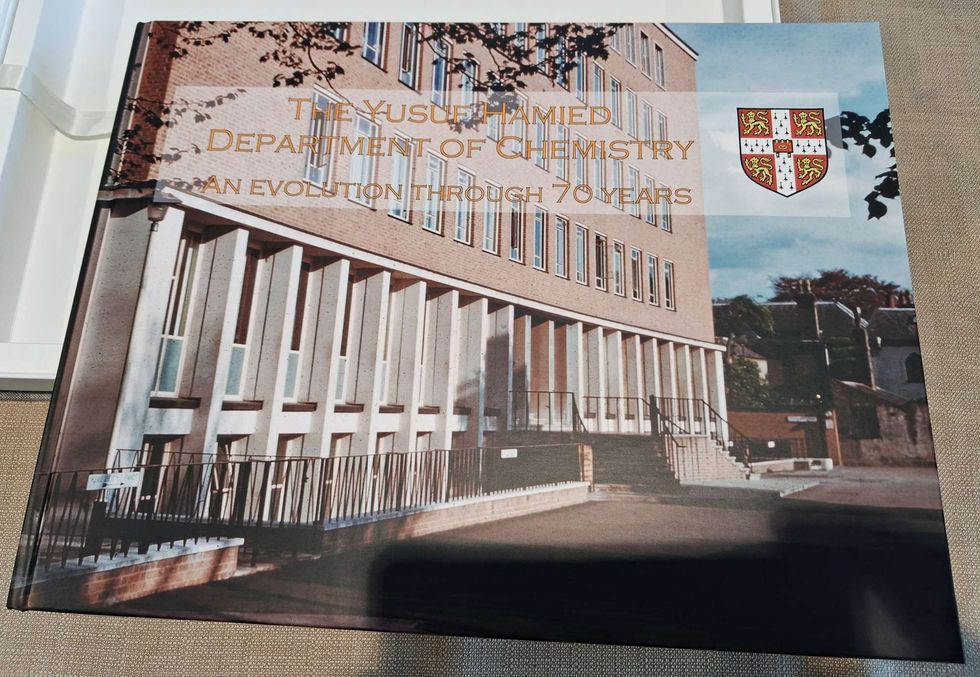 The album gifted to Yusuf Hamied Amit Roy
 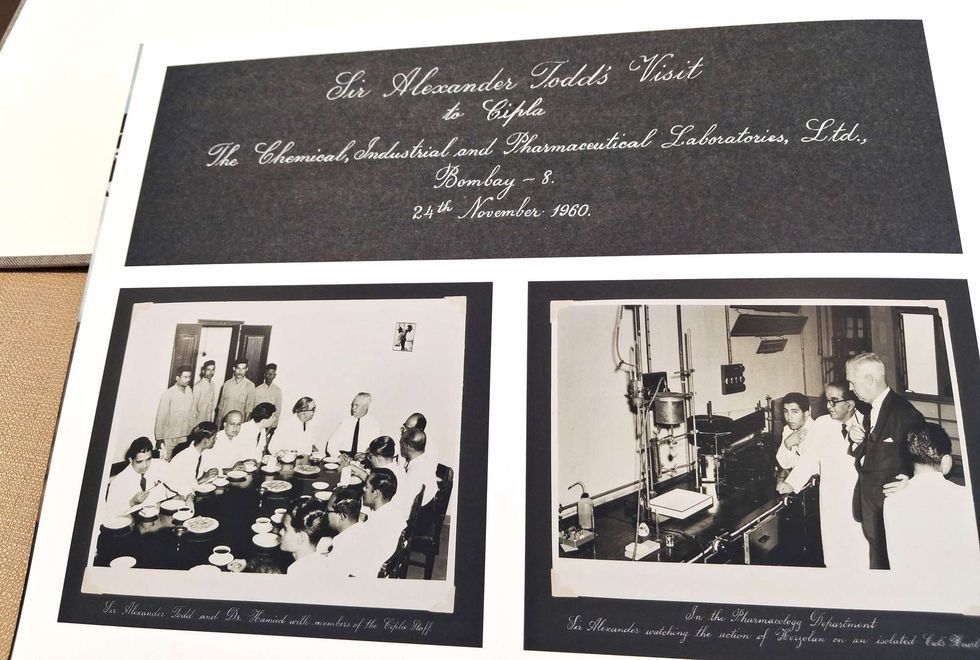 Todd visit to Cipla in Bombay in 1960 (from the album) Amit Roy
 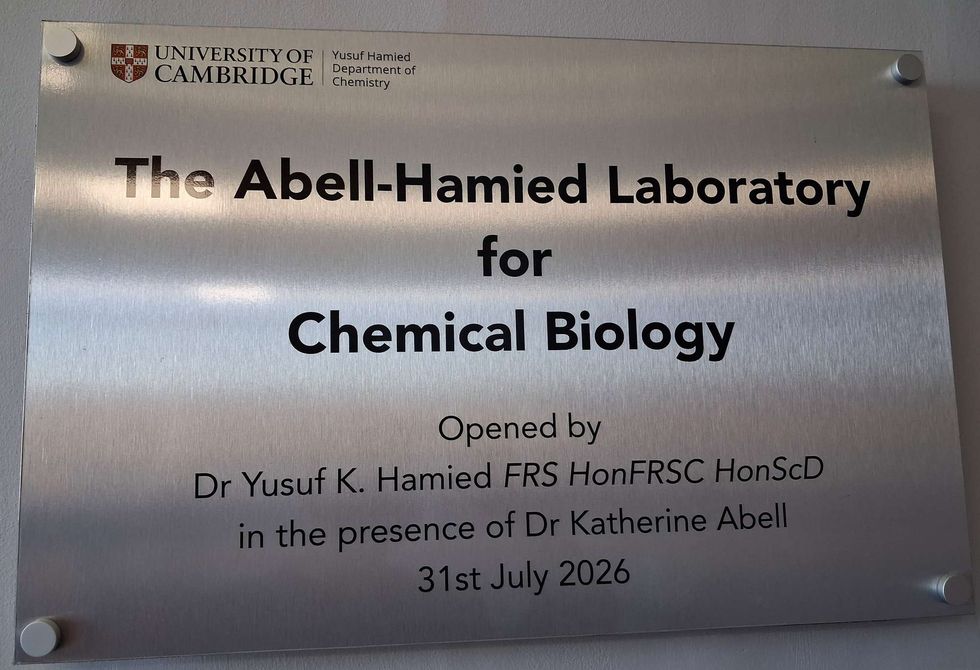 Abell-Hamied plaqueAmit Roy
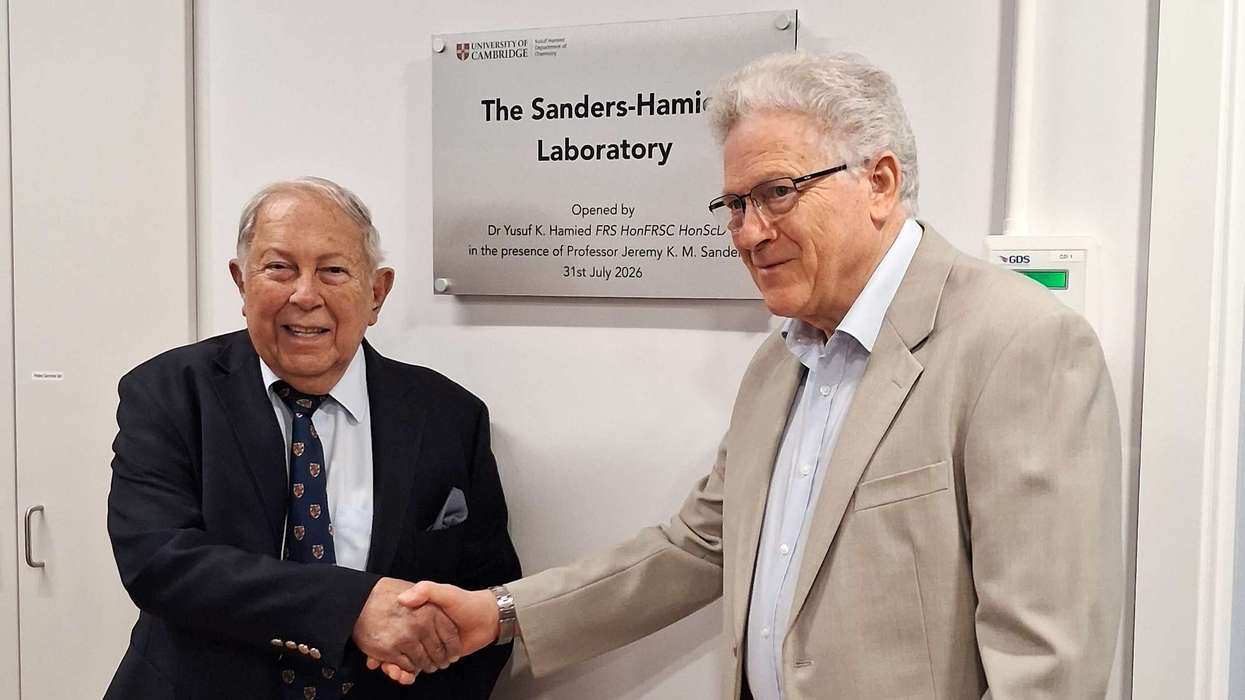
 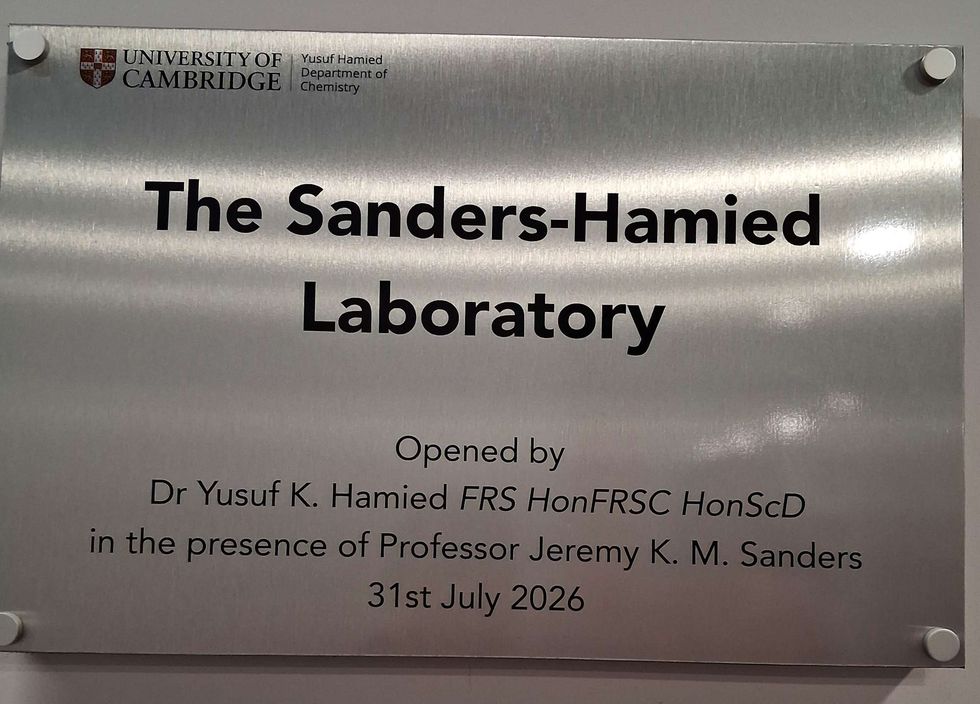 Sanders-Hamied plaque Amit Roy
 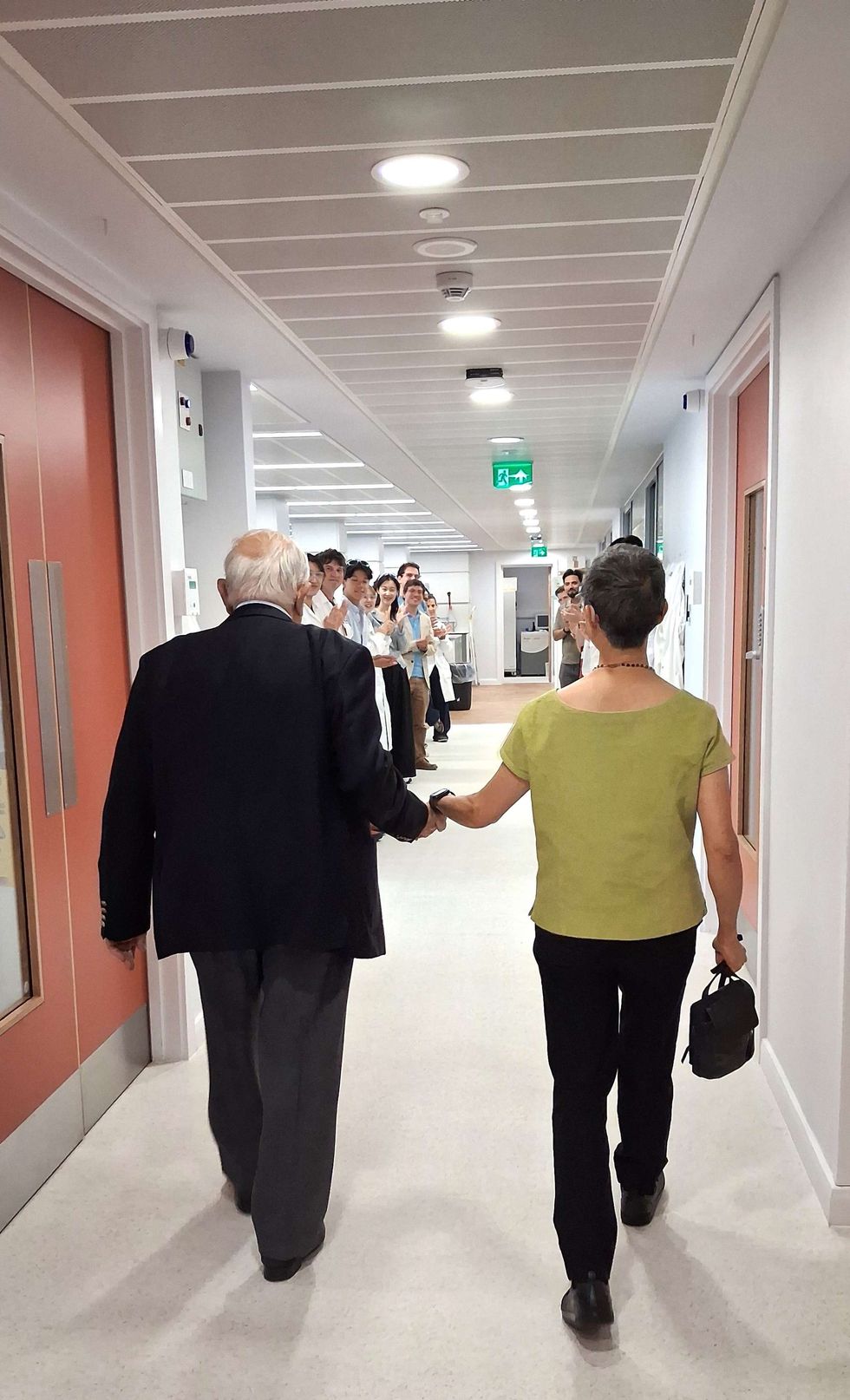 Yusuf Hamed & Katherine Abell meet students Amit Roy
 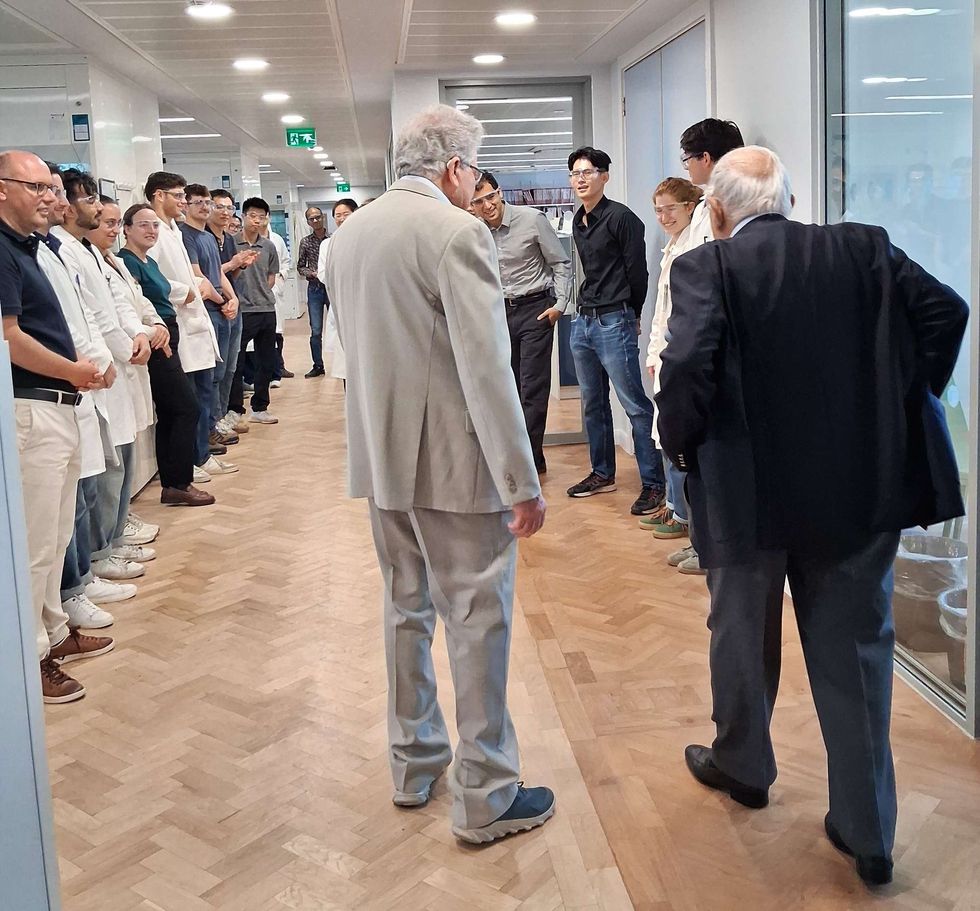 Yusuf Hamied and Jeremy Sanders meet studentsAmit Roy
 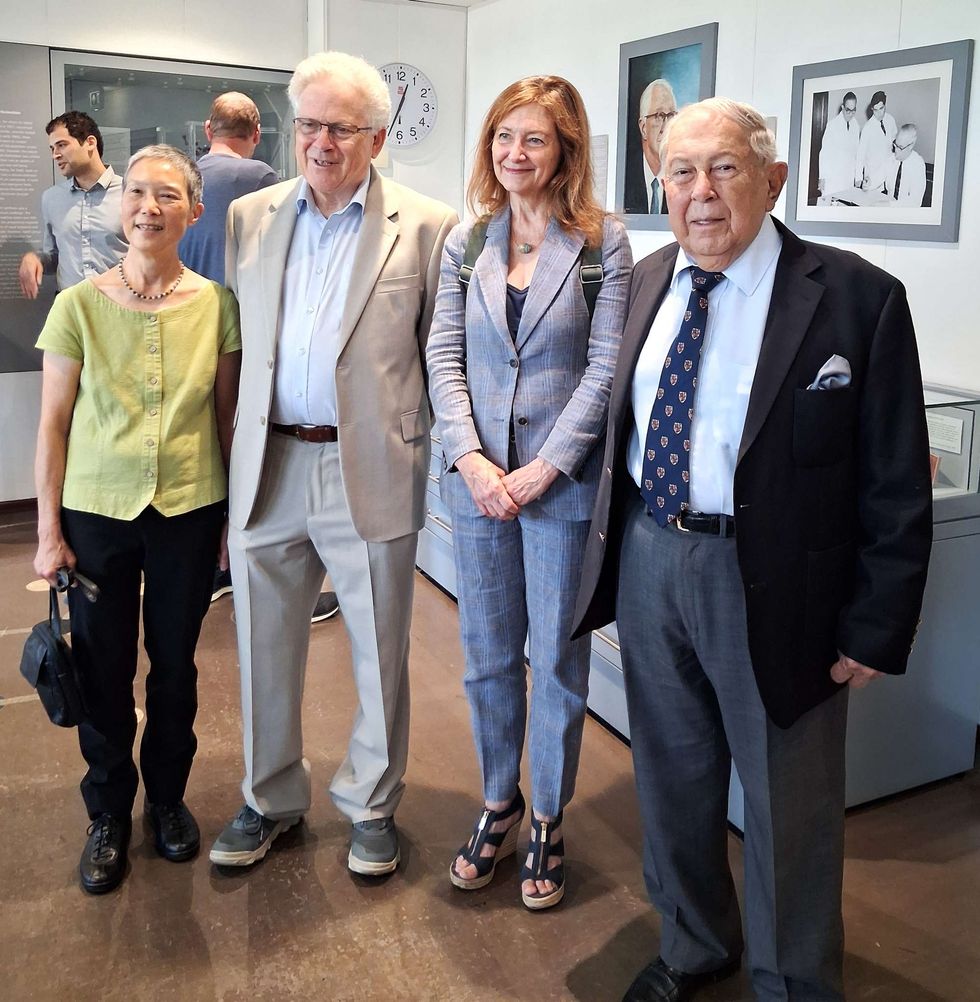 (From left) Katherine Abell. Jeremy Sanders. Deborah Prentice. and Yusuf Hamied Amit Roy
 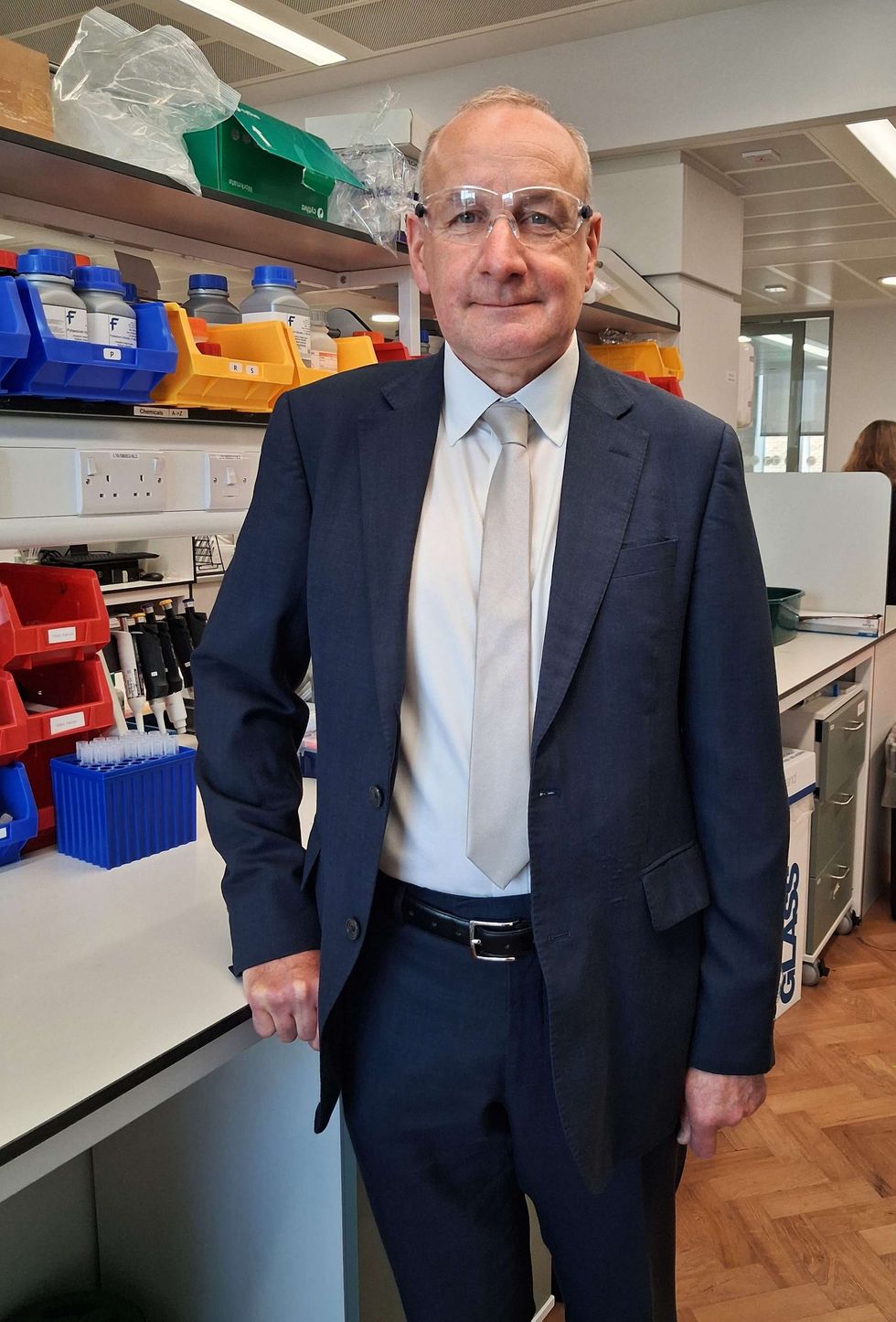 James Keeler Amit Roy
 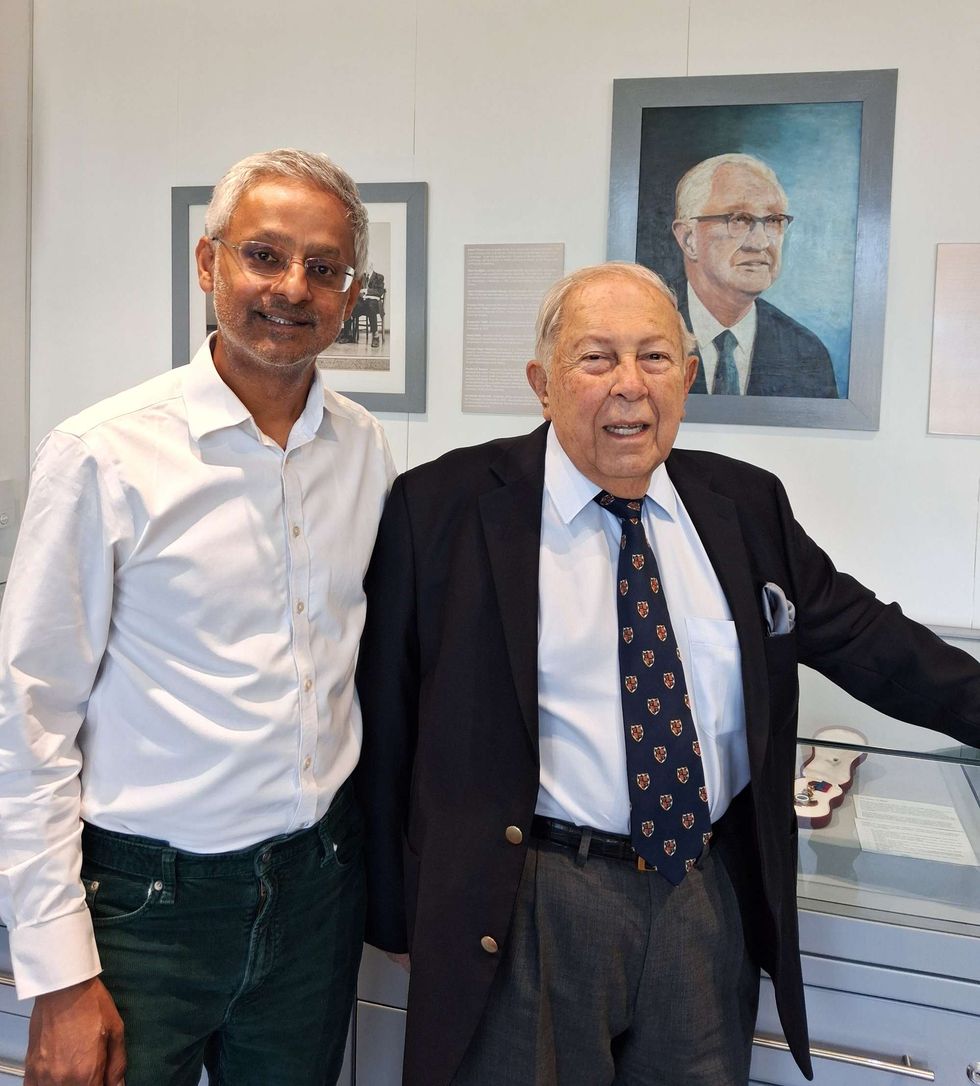 Shankar Balasubramanian with Yusuf Hamed Amit Roy

