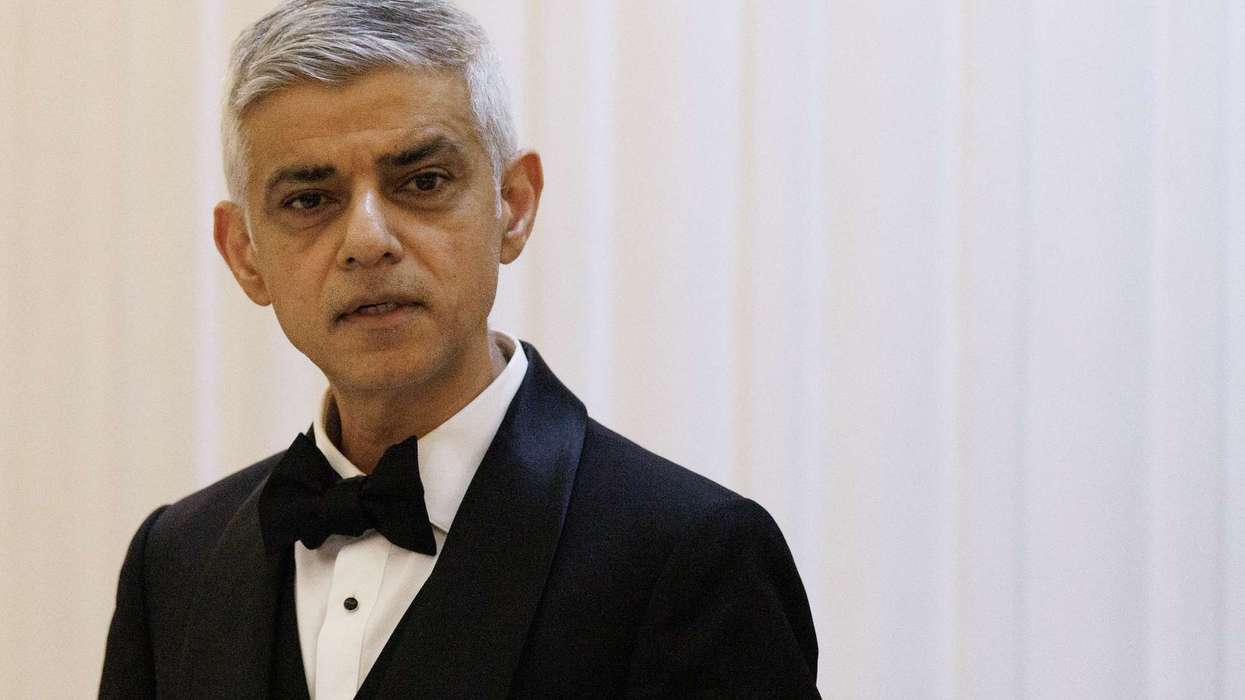
London mayor Sadiq Khan had America on his mind as he took to the stage for the Fabian Society's New Year Conference in Guildhall last Saturday (24). The splendour of the historic building in central London, six centuries old, proved an apt backdrop, since part of the mayor’s purpose was to challenge those painting a “dystopian picture” of London as a city that has fallen. Khan’s punchy riposte described the White House’s national security strategy as making a “preposterous” claim that Europe is at risk of civilisational erasure, arguing that this reflected a “cruel, callous and deeply dangerous” agenda to demonise diversity and immigration across western democracies.
The mayor was not aware of the latest chilling tragedy, unfolding on a winter morning in Minneapolis. He could almost have been describing it in real time, as he warned of the spectre of "masked ICE agents on the streets – a de facto paramilitary force – targeting and terrorising diverse communities”. It was hard to decide what was most shocking about the shooting of Alex Pretti, a 37-year-old intensive care nurse, killed by border force agents after he filmed them with his mobile phone. Was it how Pretti was disarmed and helpless before a single shot was fired? How as many as ten shots were fired into his prone body? Or just how seamlessly the administration of US president Donald Trump was willing to contradict the video evidence, which the American public, and a global audience, could see with their own eyes?
Yet the focus of Khan’s argument was not simply the danger of importing Trump’s chaos and cruelty to Britain at the next general election. He had an argument to make to a progressive audience – and prime minister Sir Keir Starmer’s Labour government too – about a new opportunity to make the case for immigration here in Britain.
This was not, Khan emphasised, an argument for uncontrolled immigration. It was, rather, a more confident case for controlled immigration – and the economic and social contribution that it can make.
So Khan made a new argument about numbers: that the public politics of immigration now lags behind a dramatic, largely untold and unnoticed story of dramatic falls in immigration visa numbers. Everybody knows the UK had record levels of immigration in the previous parliament. But what remains far too well-kept a secret is that there has been a significant shift in this parliament: indeed, “the steepest decline in net migration since records began”.
Net migration by the end of the year may well be at its lowest level, outside the pandemic, this century. British Future’s research shows that only a sixth of the public know that numbers came down from their record peak. It will help those advocating for a balanced policy to communicate that. Khan spoke about the needs of the construction industry, of care homes and universities – and also the fiscal impact of migration on the government finances.
But Khan’s most important arguments were on the key issue of integration: how people become us.
Khan concurs with home secretary Shabana Mahmood that Britain needs new arrivals to “settle, integrate and contribute”, noting that many migrants – “people who want to work hard, pay their taxes, learn our language, and follow our laws” – would be the first to agree. But he clearly worries, too, that the government’s recent proposals combine pro-integration rhetoric with putting up practical barriers to participation in our society and economy, rather than tearing them down.
Making many migrants wait twice as long for settled status “doesn’t give them a stake in our country’s future – it takes that stake away,” Khan told the Fabians, noting that up to half a million Londoners could be affected. Because Commonwealth citizens have the vote, recent arrivals, for example from India or Nigeria, can express their views. While Labour can challenge Reform’s proposal to scrap indefinite leave to remain (ILR), that may be more difficult if their own reforms are incomplete.
Khan has made an important contribution by opening up an overdue debate about the government’s settlement reforms. The details went rather under the radar before Christmas. Another week or defections and splits shows how this will be a dramatic political year. Former home secretary Suella Braverman became the latest Conservative defector to join Nigel Farage in Reform on Monday (26). Labour’s arguments over Andy Burnham’s being refused permission, by Starmer and his supporters, to step down as Greater Manchester mayor to stand in a north-west by-election, look like early sparring ahead of bigger arguments after the May elections. So the party politics of 2026 may often be about who will survive this year. But when policy decisions are being made that will affect people’s status or security in 10, 15 or 20 years’ time, it is vital to get it right.
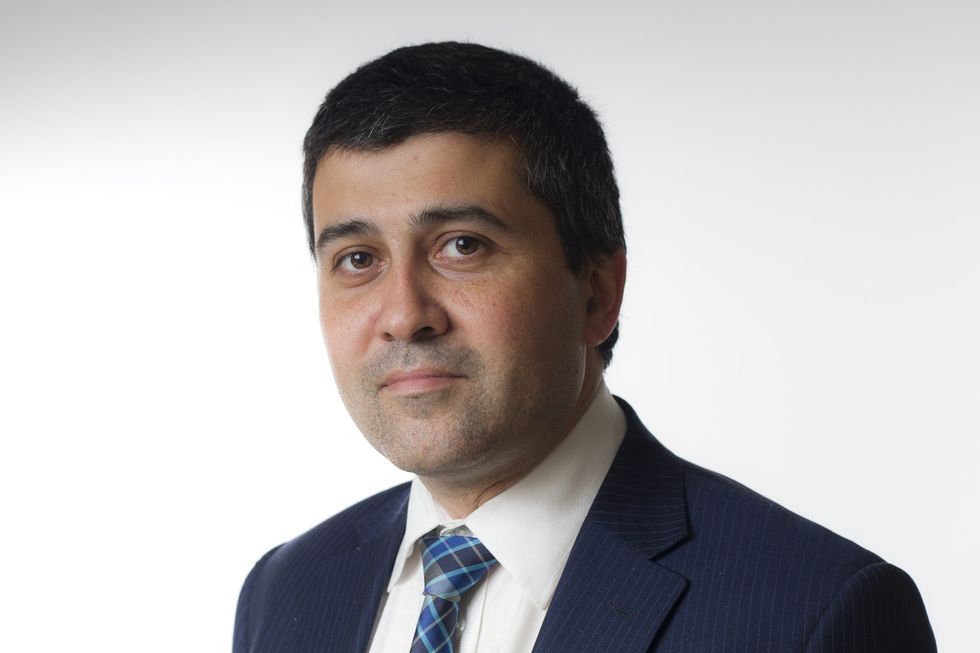 Sunder Katwala
British Future
The author is the director of thinktank British Future and the author of the book How to Be a Patriot: The must-read book on British national identity and immigration.

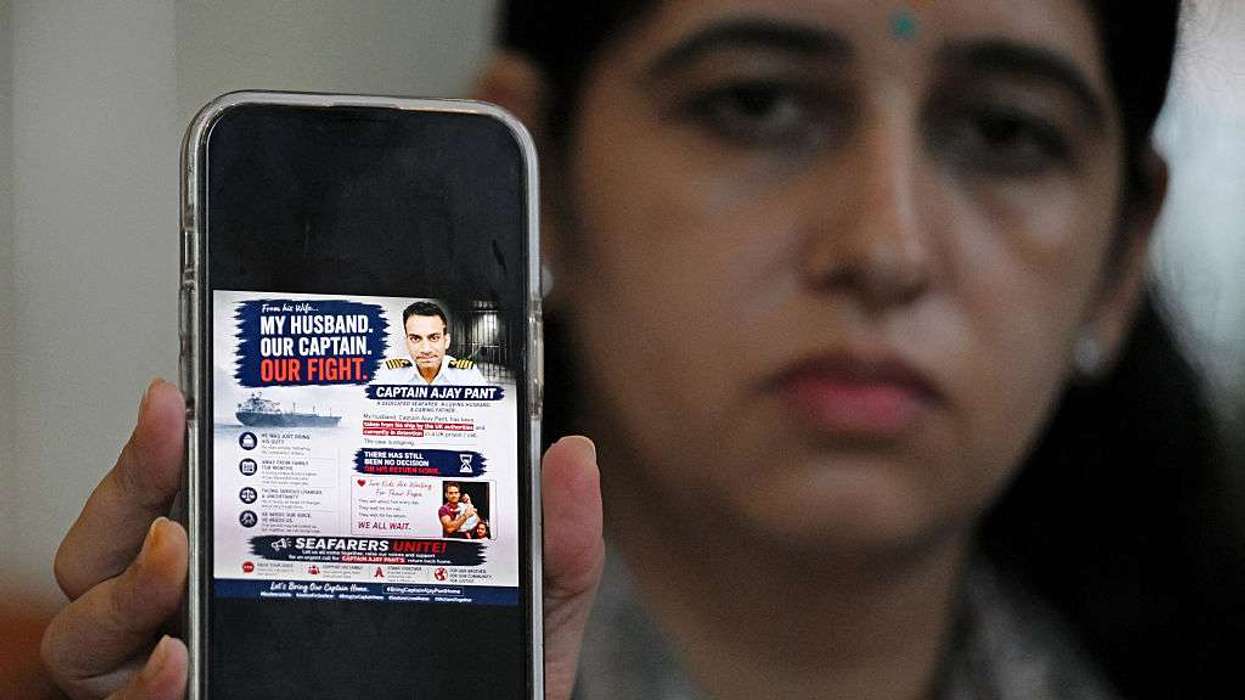
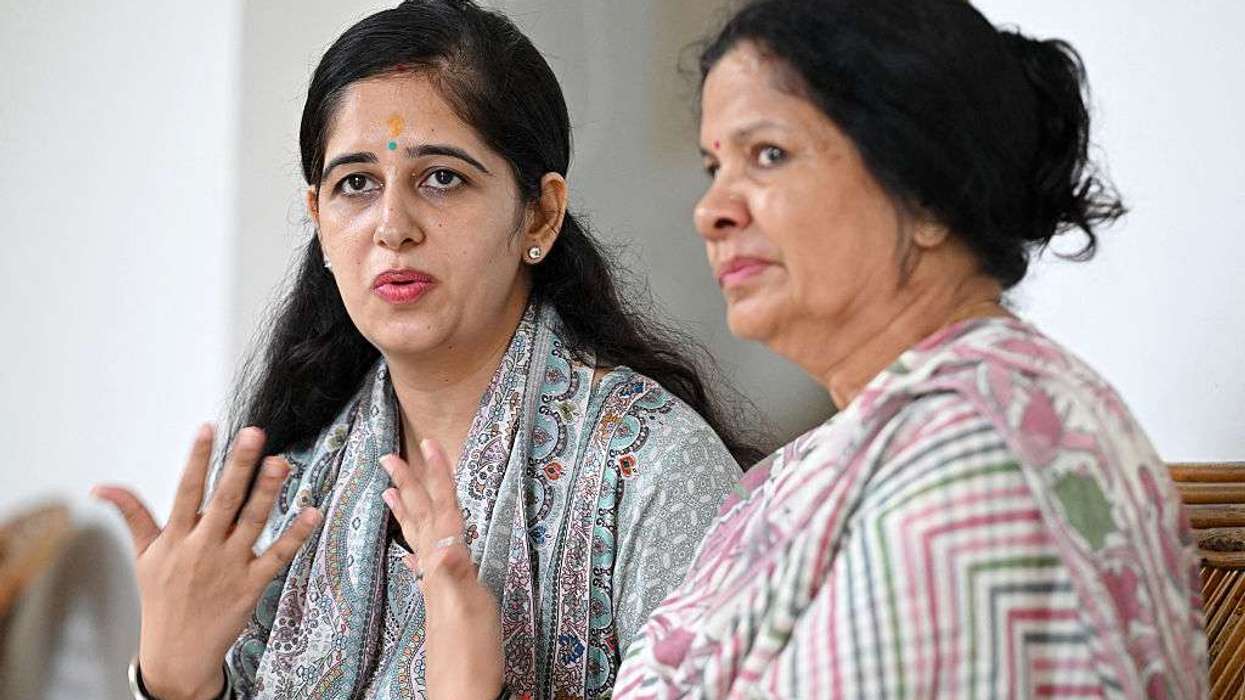 This photograph taken on August 14, 2026 shows Ritu Pant (L), wife of Indian merchant navy captain Ajay Pant, who remains in custody in Britain over sanctions-related offences linked to an alleged Russian 'shadow fleet' oil tanker, speaking with AFP next to her mother-in-law Deepa Pant at Ramnagar in India's Uttarakhand state. (Photo by Arun SANKAR / AFP via Getty Images)
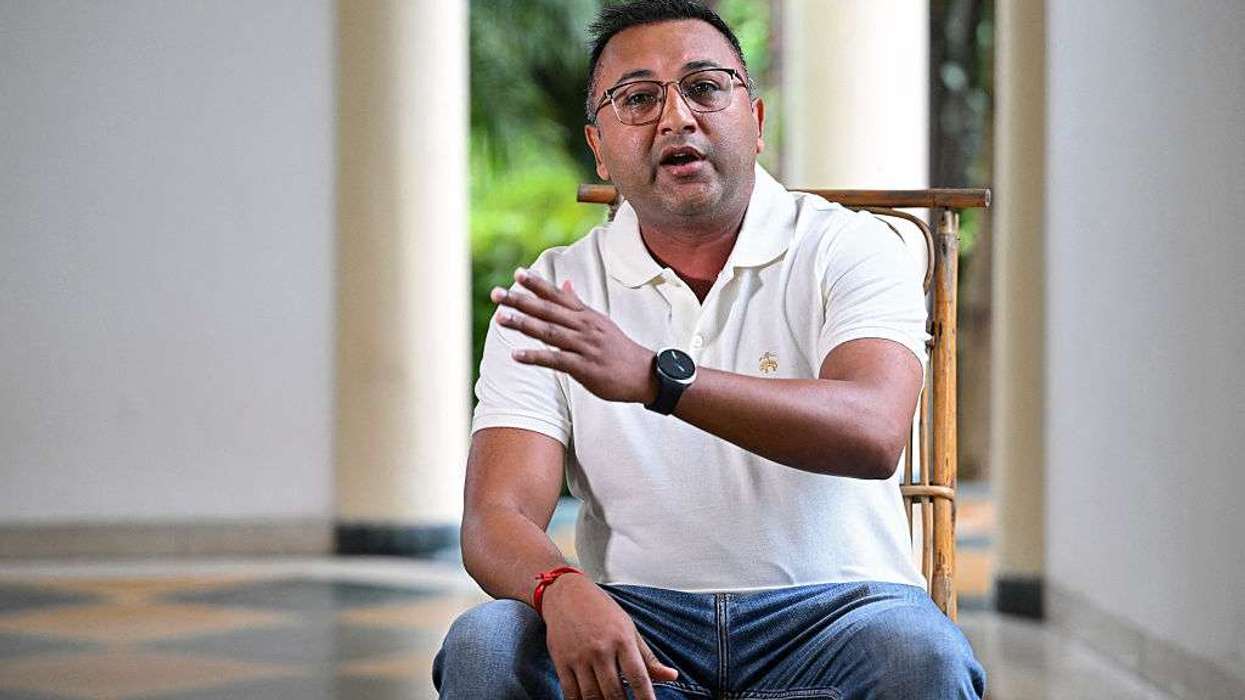 This photograph taken on August 14, 2026 shows veteran Indian merchant navy captain Sanket Joshi, speaking with AFP at Ramnagar in India's Uttarakhand state, about fellow captain Ajay Pant, who remains in custody in Britain over sanctions-related offences linked to an alleged Russian 'shadow fleet' oil tanker. (Photo by Arun SANKAR / AFP via Getty Images)

