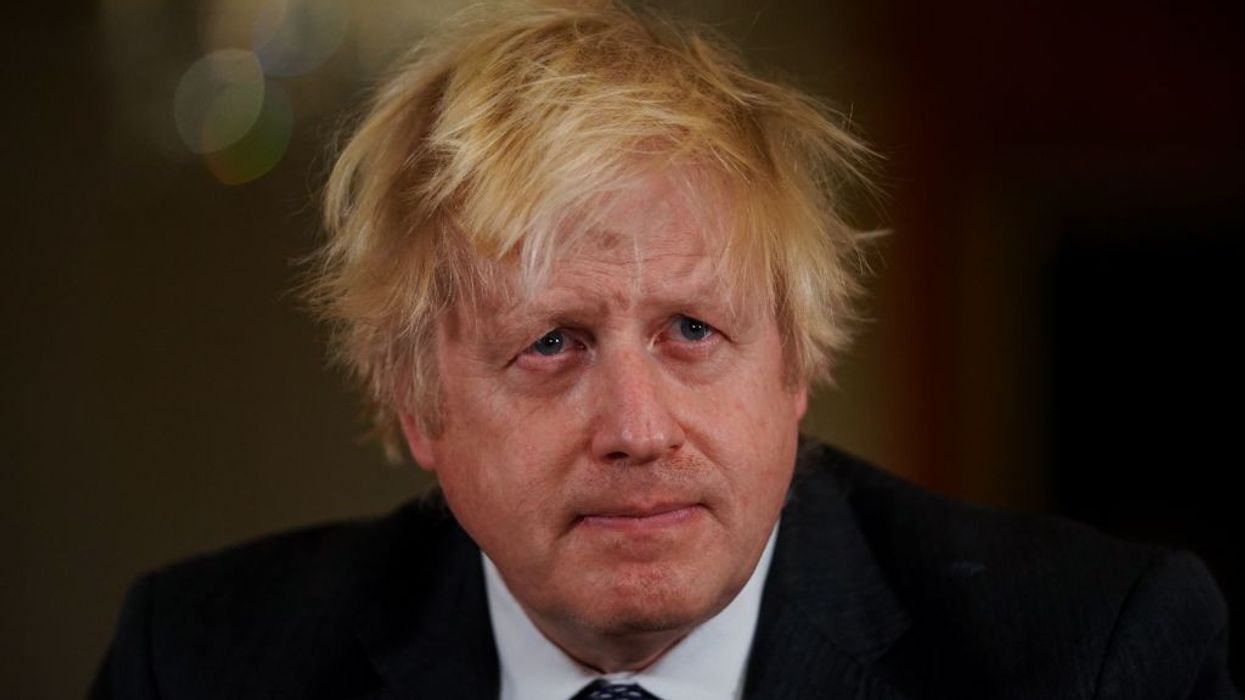
MOSCOW on Saturday (16) announced it was banning entry to UK prime minister Boris Johnson and several other top UK officials after London imposed sanctions on Russia over its military operation in Ukraine.
"This step was taken as a response to London's unbridled information and political campaign aimed at isolating Russia internationally, creating conditions for restricting our country and strangling the domestic economy," the foreign ministry said in a statement.
The ministry accused London of "unprecedented hostile actions", in particular referring to sanctions on Russia's senior officials.
"The British leadership is deliberately aggravating the situation surrounding Ukraine, pumping the Kyiv regime with lethal weapons and coordinating similar efforts on the behalf of NATO," the ministry said.
Russia's entry blacklist includes UK deputy prime minister Dominic Raab, foreign secretary Liz Truss, defence secretary Ben Wallace, former prime minister Theresa May and the first minister of Scotland Nicola Sturgeon.
Britain has been part of an international effort to punish Russia with asset freezes, travel bans and economic sanctions, since president Vladimir Putin moved troops into Ukraine on February 24.
(AFP)
Russia bans entry to Boris Johnson