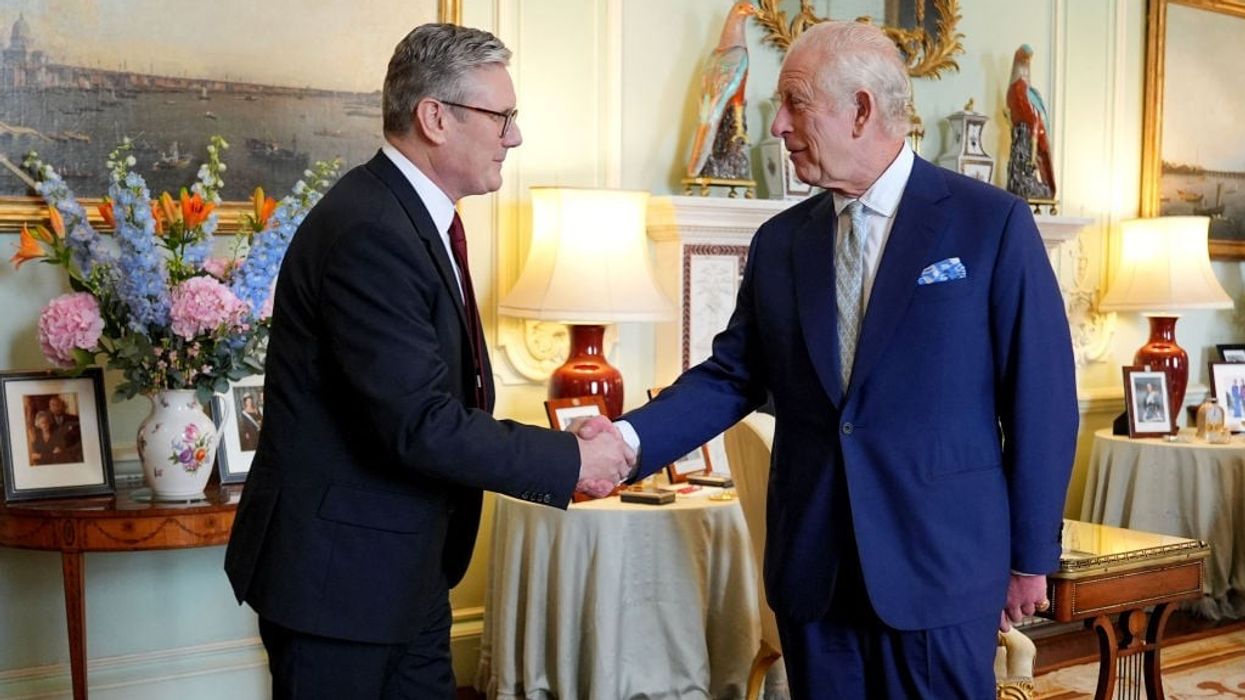

PRIME MINISTER Keir Starmer will set out his first package of proposed laws on Wednesday (17), fleshing out how he will honour his election-winning pledge to rebuild the country after years of weak economic growth and political turmoil.
In a grand ceremony to mark the opening of the new parliament, King Charles will read out the laws which the government wants the House of Commons to approve first after Starmer's centre-left Labour Party won a commanding majority in this month's national election.
The package of more than 35 bills will focus on growing the economy, including reforms to make it easier to build homes and speed up the delivery of major infrastructure projects, improving transport, and creating more jobs.
"Now is the time to take the brakes off Britain," Starmer said in a statement. "I am determined to create wealth for people up and down the country. It is the only way our country can progress."
The King's Speech, which is written by the government, will be read out by the monarch in parliament from 1030 GMT in a ceremony full of pomp and pageantry.
Starmer won one of the largest parliamentary majorities in modern British history on July 4, making him the most powerful national leader since former prime minister Tony Blair, but he faces a number of daunting challenges, including improving struggling public services with little room for more spending.
The speech, and a raft of information published by the government alongside it, is expected to stick closely to the promises Labour made during the election campaign, while giving a clearer picture of Starmer's immediate priorities.
According to Downing Street, the government will announce on Thursday (18) legislation to "speed up and streamline the planning process" to help address Britain's acute housing shortage and the long delays that dog many infrastructure projects.
The government will also set out plans to gradually renationalise the passenger rail network and set affordable fares to draw people back on to trains.
The plan would shut private companies out of running passenger trains by folding each operator into state control when their contracts to run trains expire.
This decision would mostly reverse the privatisation of the railways conducted in the 1990s by the then-Tory government.
The government will announce legislation to devolve more powers to local communities after Starmer used his first week in power to meet mayors of major cities and representatives from the devolved nations of the UK.
(Reuters)