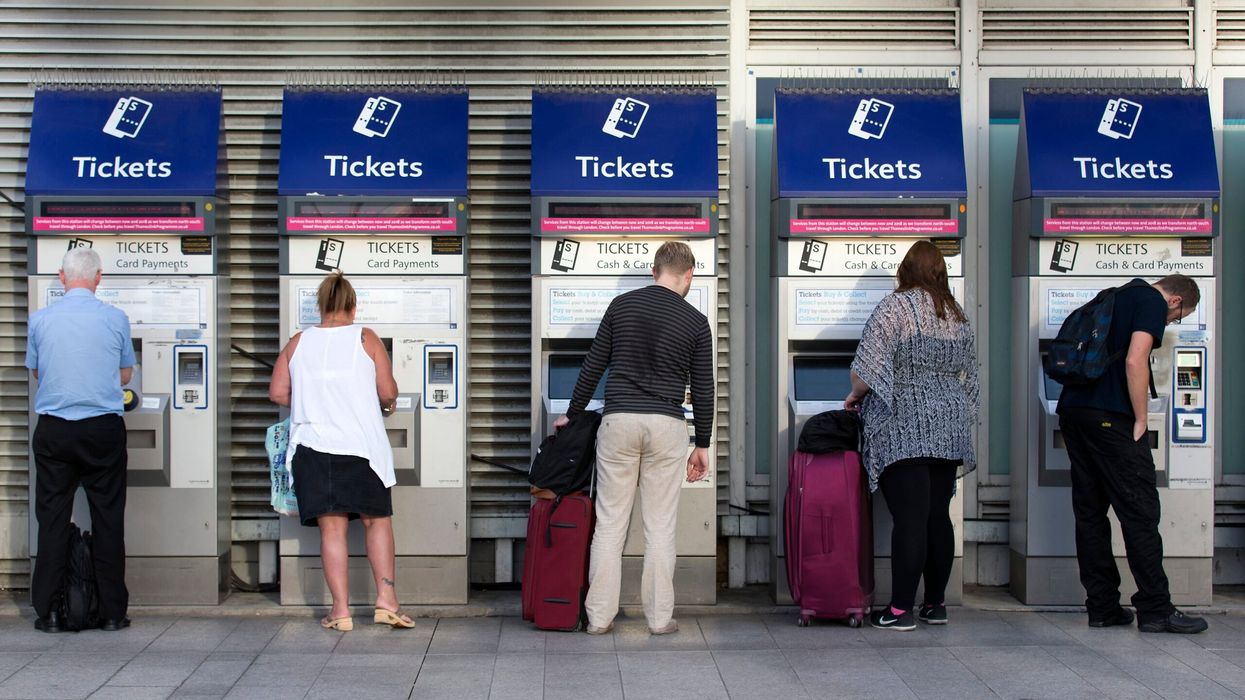

THE GOVERNMENT is set to launch an independent review of rail fare prosecutions and enforcement by train companies, following concerns about disproportionate action against passengers.
Transport secretary Louise Haigh is expected to ask the Office for Rail and Road (ORR) to examine how fare evasion cases are handled, BBC reported.
Train operators have several measures for dealing with passengers who underpay or travel without tickets.
While the government does not intend to remove these companies’ power to prosecute deliberate fare evaders, there is concern over cases involving innocent mistakes.
The BBC reports that the review will assess how ticketing terms and conditions are communicated to passengers, particularly around when prosecution is appropriate.
The most severe consequence, prosecution, can lead to a magistrates’ court appearance and a criminal record.
Last month, Northern Railway, a government-owned operator, faced criticism after it moved to prosecute Sam Williamson, an engineering graduate, who used a 16-25 railcard incorrectly.
Despite admitting the error and offering to pay the difference, Williamson faced possible legal action, which Northern eventually dropped following public backlash.
The Department for Transport subsequently directed Northern to review its ticketing policies for clarity and fairness, with the company also agreeing to withdraw similar cases.