
MINISTERS must ensure equity is built into every part of the National Cancer Plan and not regard it as an afterthought, a leading health expert has said.
The Department of Health and Social Care last Thursday (29) announced a new three-year Neighbourhood Early Diagnosis Fund as part of £200 million investment in local cancer care. It aims to address the gap in screening uptake and reduce screening inequalities in deprived areas.
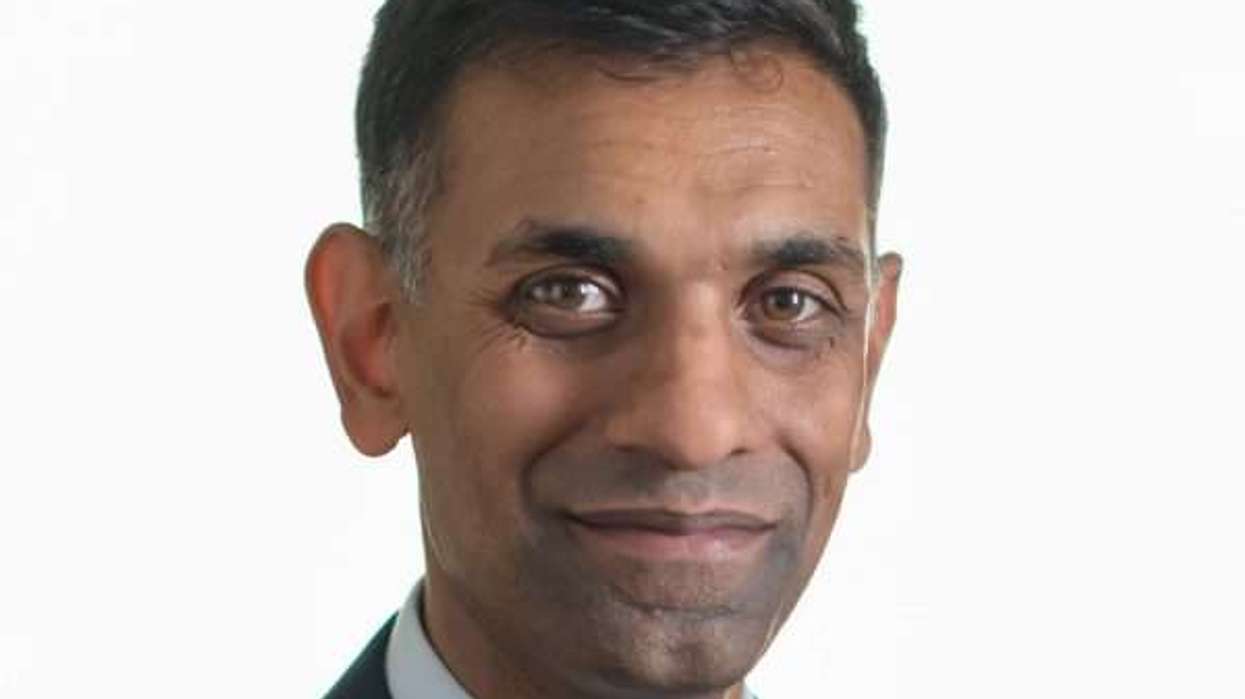
The chief executive of the NHS Race and Health Observatory, Professor Habib Naqvi, spoke to Eastern Eye ahead of further details being unveiled imminently.
He said the national plan represents an important opportunity to save more lives and narrow the gaps among those who receive an early cancer diagnosis and respond well to treatment.
“Ensuring the National Cancer Plan serves every patient and community is essential. That’s why we have worked with the Department of Health and Social Care to ensure equity is built into the heart of the plan and to guard against it being an add-on,” Naqvi said.
Under proposals unveiled last week, Cancer Alliances – regional NHS partnerships that co-ordinate services – will receive funding to work with local communities and providers to improve early diagnosis rates, with efforts to reach ethnic minority and underserved communities.
The government funds the race and health observatory and is developing a toolkit aimed at rebuilding trust with communities.
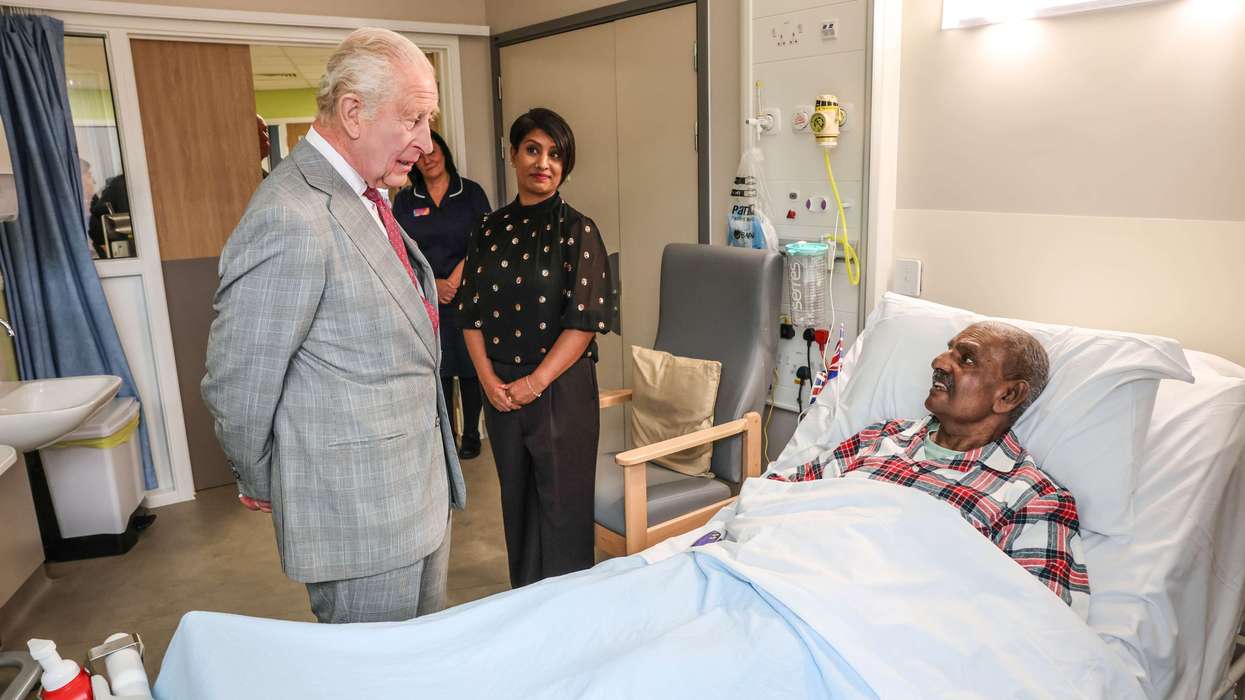 King Charles speaks toa patient at Midland Metropolitan University Hospital in Birmingham, which provides NHS diagnostic and cancer services Richard Pohle/WPA Pool/Getty Images
“It (the toolkit) will help ensure that patients and communities are at the heart of the design and the co-production of healthcare services and interventions,” Naqvi said.
He said the observatory is acting as a “supportive friend to the government” and has been working on screening for breast cancer and improved ethnic representation in breast cancer clinical trials. An ethnic minority nurse will offer support to patients and help increase participation in clinical trials.
Naqvi said the work being done in collaboration with Macmillan Cancer Support, and Barts Health NHS Trust in London focuses on taking learning from the initiative “so that we can scale up and spread replicable good practice and help increase (diverse) representation in clinical trials”.
He highlighted two major barriers preventing people from minority backgrounds from taking part in clinical trials: accessibility and trust.
“There’s a historic challenge around low representation in clinical trials on the part of black, Asian and ethnic minority people. Much of that is down to low levels of trust and confidence in research within communities; rebuilding that is essential for tackling health disparities,” Naqvi said.
“Meaningful and sustained engagement” and co-production of services with communities could be a way forward, Naqvi said, adding the lack of representation in clinical trials has serious consequences. It can lead to healthcare interventions, medical devices and clinical guidelines not fit for purpose for all populations.
Naqvi cited the use of pulse oximeters, small devices placed on fingertips to measure oxygen levels in the body. During the Covid pandemic, these devices showed a lack of accuracy in readings for people with darker skin because the infrared light could not penetrate the skin as effectively as it did for white patients.
“Those devices were developed on the back of research which was not representative of the wider society that we live in,” Naqvi said. “Pulse oximetry is one example of a range of medical devices that have a level of racial bias built into them due to the lack of representation in the research and trials that inform the development of such devices.”
One of the projects the observatory is working on is with the University of Liverpool on an anti-cancer drug that does not break down as quickly in black bodies as it does in white bodies, leading to high levels of toxicity and death.
Naqvi said, “Genome sequencing that led to the development of the drug didn’t take into account the African variant. We need to have representation in participation in those kinds of interventions.”
The observatory is also collaborating with the National Institute for Health and Clinical Excellence to make sure clinical guidelines for mental health issues, diabetes and cardiovascular disease are examined and any biases removed.
Naqvi also noted that Asian families who care for elderly relatives at home may be unaware of the support available to them for cancer treatment. “For some Asian families, providing care for older relatives is the norm,” he said. “We want NHS services to recognise that reality by providing flexible appointments, with interpreters and translators.”
He stressed a “more holistic approach” to the cancer plan that ensures practical support is available in all relevant languages and different formats, delivered through trusted places.
Naqvi also spoke about tackling the causes of inequality, including structural biases. “Success… would mean that an individual’s race, ethnicity or where they live is no longer a determinant of their chances of better healthcare experience and better outcomes,” he said.
Working with trusted voices in communities, including faith leaders, as well as local healthcare professionals was also vital, he said.
“We saw it so vividly through the pandemic years – how community and faith leaders in local mosques, gurdwaras and temples supported the NHS to deliver critically important healthcare messages to their communities,” Naqvi said.
While more people than ever before survive cancer, progress has slowed over the past decade and England remains behind other comparable countries, with working-class communities being failed, most of all.
The new national plan includes measures such as more medical training places in rural and coastal areas, improved data transparency on quality of care, and access to cutting-edge early detection technologies, regardless of where people live.
Naqvi noted certain cancers are more common among black and Asian communities, while others are more prominent in the majority white population.
“That’s why any healthcare plan, or healthcare service, should not be a one-size-fits-all for everyone,” he said.
“Plans and healthcare services need to be co-produced and tailored to the needs and circumstances of all patients. This will be critically important if we are to have an NHS that is fit for the future.”