
- Campaigners urge new taxes on companies benefiting from conflict-linked profits
- Government faces pressure to support households as energy costs rise
- Existing windfall tax could be expanded to raise billions for relief measures
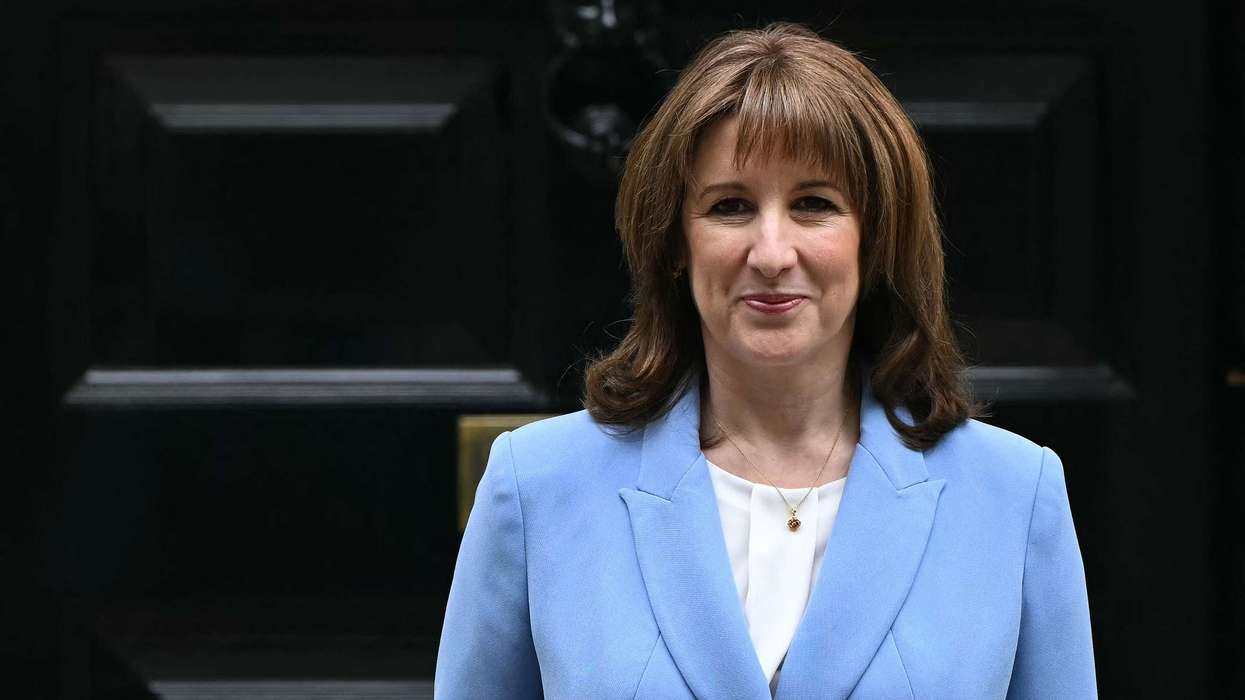
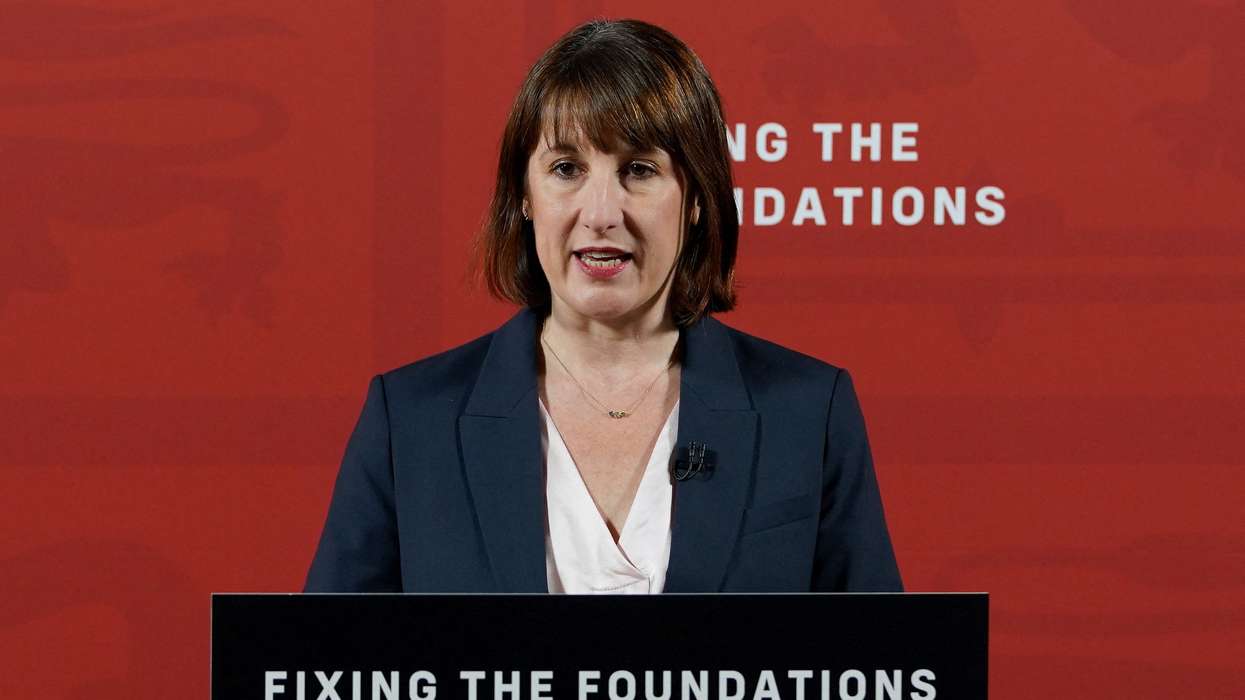
UK chancellor Rachel Reeves is facing mounting calls to introduce new windfall taxes on businesses said to be benefiting from the economic fallout of the US-Israel war on Iran, as concerns grow over rising living costs across the UK.
A coalition of charities, trade unions and campaign groups has urged the government to tax what they describe as “excess profits” made by sectors likely to gain from the crisis. The proposal is being framed as a way to fund emergency cost of living support, with energy prices already climbing following the escalation on February 28.
Who gains when crisis hits?
In an open letter addressed to prime minister Keir Starmer and Reeves, organisations including Greenpeace UK, the National Education Union and Tax Justice UK argued that several industries could see significant financial gains from the situation.
They pointed to energy companies, banks, defence firms, agricultural commodity traders and tech businesses as sectors likely to benefit from volatility triggered by the conflict. The group has called for an expansion of the UK’s existing North Sea windfall tax, along with new levies targeting these industries.
The letter suggests that such measures could generate billions of pounds for the Treasury, which could then be used to ease pressure on households and strengthen the UK’s resilience to future energy shocks. The signatories reportedly said in a news report that the crisis should be treated as a turning point to reform the tax system and make life more affordable.
Government signals caution, but keeps options open
Reeves has indicated that the government is prepared to step in with targeted support if needed, as households feel the impact of higher energy costs. At the same time, she has warned businesses against exploiting the situation, reportedly saying that regulators are on alert to clamp down on price gouging.
The Competition and Markets Authority has been put on notice to monitor pricing behaviour closely.
The UK already applies a windfall tax on North Sea oil and gas producers through the energy profits levy, which is set to remain in place until 2030. However, there had been plans to ease this tax before the conflict escalated on February 28, a move that is now under renewed scrutiny.
Political heat rises ahead of elections
Pressure is building not just from campaign groups but also within political and business circles. Richard Walker, a Labour peer and chair of Iceland supermarkets, has urged the government to consider a profits cap on energy and fuel companies.
The debate comes at a sensitive time for Starmer, with local elections scheduled in May and growing public concern over affordability.
Faiza Shaheen reportedly said in a news report that the government risks repeating a familiar pattern where wealth accumulates at the top while ordinary households bear the burden. She also pointed to measures taken in other countries, including rent controls in Spain, suggesting the UK response lacks urgency.
A Treasury spokesperson said the UK already has sector-specific taxes in place for banking and energy, adding that new measures are being developed to prevent companies from unfairly raising prices. This includes a proposed framework to tackle price gouging and tools such as a fuel price comparison system for drivers.