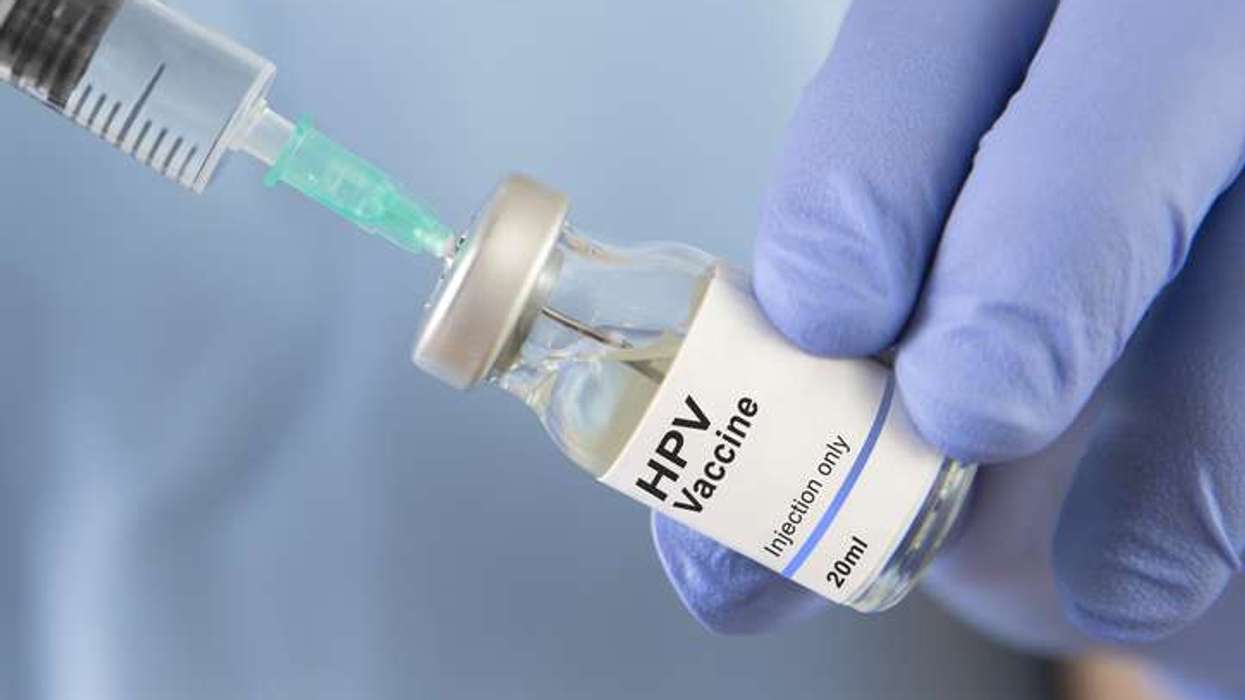
SRI LANKA is battling a third wave of coronavirus. To curb the number of cases the government has approved Pfizer’s COVID-19 vaccine.
It is the first South Asian country to approve Pfizer’s vaccine
‘The government would order 5 million doses of the Pfizer vaccine,’ said Dr. Sudharshani Fernandopulle, the minister overseeing the fight against the epidemic.
The island is trying to secure other vaccines as the Serum Institute of India has suspended the delivery of AstraZeneca's Covishield vaccine due to spiraling coronavirus infections in India.
This week, it has also approved Russia's Sputnik and China's Sinopharm vaccines for emergency use.
Thursday (6) Sri Lanka received the first batch of 15,000 doses of the Sputnik V. The island had ordered 13 million Sputnik V doses.
Due to the grave COVID situation in India, Sri Lanka’s next order is getting delayed posing problems for the second dose.
The nation reported 1,914 new cases and 19 deaths in the past 24 hours, according to federal health data, and its total number of active cases is higher than any point since the pandemic began.
Infections surged after crowded celebrations for traditional New Year last month.