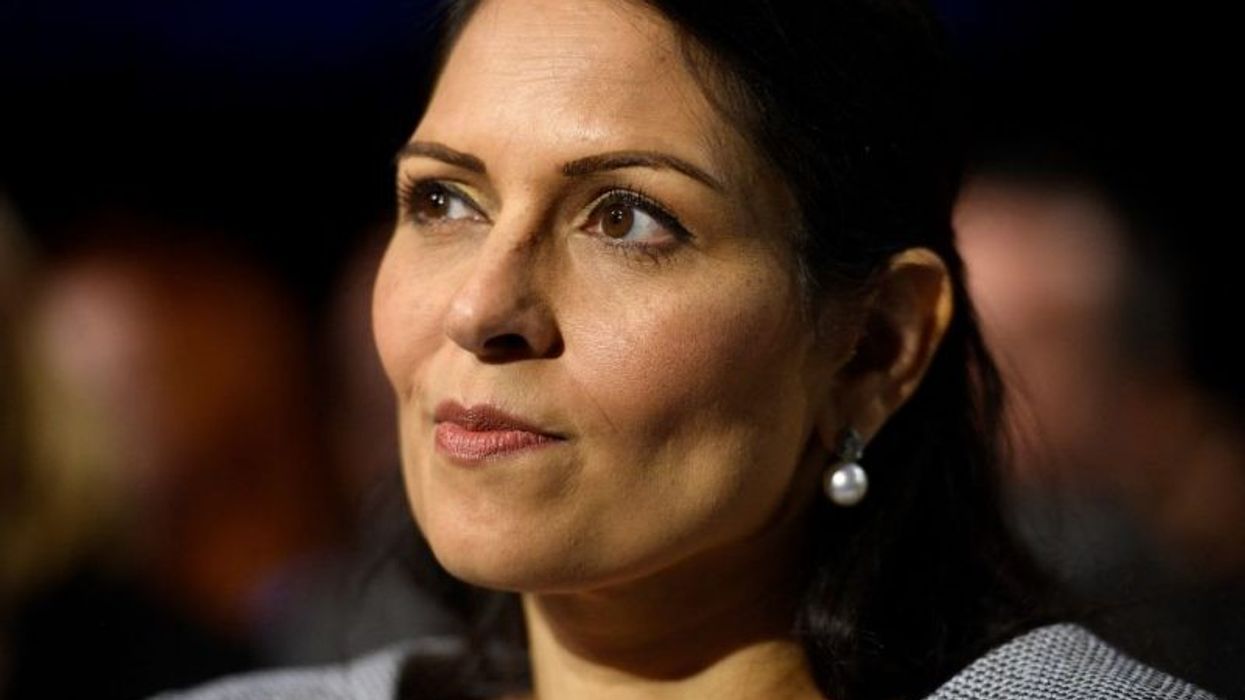

HOME secretary Priti Patel on Wednesday (27) admitted that she did not feel comfortable when she arrived to lead the Home Office as an ethnic minority woman, The Daily Mail said.
Patel told peers she experienced 'push-back' from officials when she was appointed two years ago.
"I'm an ethnic minority home secretary coming into the department where, you know, it didn't feel that comfortable. Departments get institutionalised in their thinking and their ways of working," Patel was quoted as saying by the newspaper.
She indicated officials were resistant as she attempted to bring in reforms she believed were vital, the report added.
"We are democratically-elected politicians, elected by the British public. Yes, they want change. Yes, they want reform. But it's also up to us to get under the bonnet and understand many of those sort of core components as to how we can serve people better," she told the Lords justice and home affairs committee.
"And that has always been integral to me, my instincts and my line of questioning the department, which has been challenging. It's been difficult. I've had a lot of push-back in many, many quarters."
Patel's remarks come after the resignation of top Home Office civil servant Sir Philip Rutnam last year, The Mail report added.
Sir Philip said he had received allegations of Patel 'shouting and swearing, belittling people, making unreasonable and repeated demands'.
Though a Cabinet Office investigation found Patel broke rules on ministerial behaviour, prime minister Boris Johnson allowed her to keep her job.
Patel has been serving as home secretary since 2019. She previously served as secretary of state for international development from 2016 to 2017. She has been a Member of Parliament for Witham since 2010.