Skip to content
Search

Latest Stories

Pakistan court orders Imran Khan's release on bail: Lawyer

Nearly 2,000 people have been arrested for violence since Khan’s detention on Tuesday and at least eight have been killed
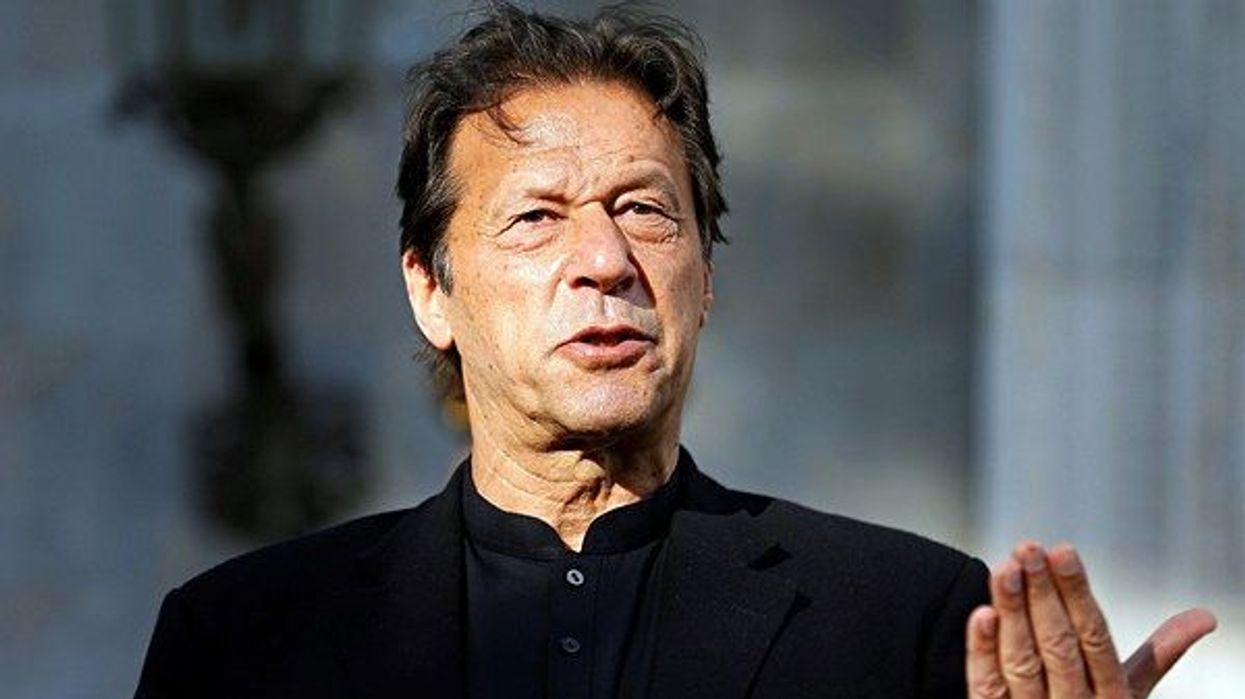

Pakistan court orders Imran Khan's release on bail: Lawyer

A Pakistani court ordered former Prime Minister Imran Khan's release on bail for two weeks, his lawyer said on Friday (12), following an arrest that sparked deadly unrest in the nuclear-armed nation.

The arrest, ruled "invalid and unlawful" by the Supreme Court a day earlier, fuelled instability in the nation of 220 million at a time of economic crisis, with record inflation, anaemic growth and delayed IMF funding.

Khan arrived amid tight security at the court in Islamabad on Friday as his supporters clashed with police elsewhere in the capital, broadcaster Geo TV reported.

"The court has given a two-week bail," Khan's lawyer, Faisal Chaudhry, told reporters.

Nearly 2,000 people have been arrested for violence since Khan's detention on Tuesday and at least eight have been killed.

(Reuters)

More For You

Black and mixed ethnicity children face systemic bias in UK youth justice system, says YJB chair

Keith Fraser

gov.uk

Black and mixed ethnicity children face systemic bias in UK youth justice system, says YJB chair

Highlights

  • Black children 37.2 percentage points more likely to be assessed as high risk of reoffending than White children.
  • Black Caribbean pupils face permanent school exclusion rates three times higher than White British pupils.
  • 62 per cent of children remanded in custody do not go on to receive custodial sentences, disproportionately affecting ethnic minority children.

Black and Mixed ethnicity children continue to be over-represented at almost every stage of the youth justice system due to systemic biases and structural inequality, according to Youth Justice Board chair Keith Fraser.

Fraser highlighted the practice of "adultification", where Black children are viewed as older, less innocent and less vulnerable than their peers as a key factor driving disproportionality throughout the system.

Keep ReadingShow less