
Highlights:
- Pakistan and Afghanistan agree to an “immediate ceasefire” after talks in Doha.
- At least 10 Afghans killed in Pakistani air strikes before the truce.
- Both countries to meet again in Istanbul on October 25.
- Taliban and Pakistan pledge to respect each other’s sovereignty.
PAKISTAN and Afghanistan have agreed to an “immediate ceasefire” following talks in Doha, after Pakistani air strikes killed at least 10 Afghans and ended an earlier truce.
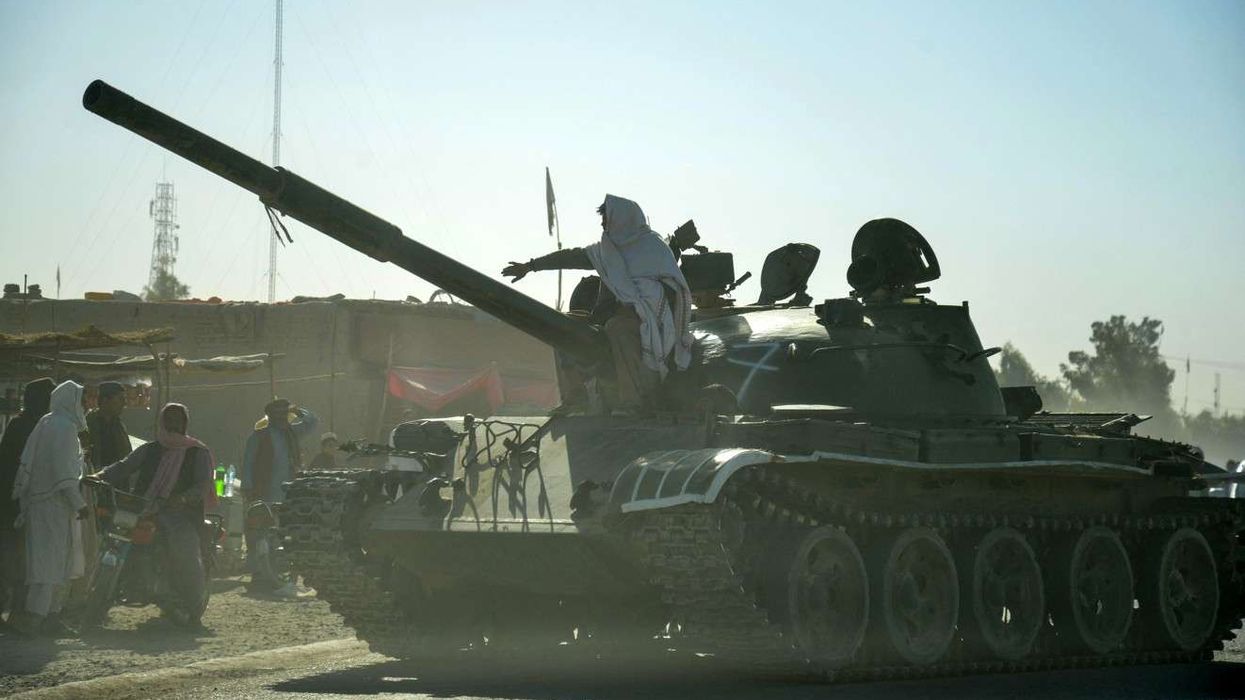
The two countries have been engaged in heavy border clashes for more than a week, marking their worst fighting since the Taliban returned to power in 2021.
A 48-hour truce had briefly halted the fighting, which has killed dozens of troops and civilians, before it broke down on Friday.
After the talks in Doha, Qatar’s foreign ministry said early on Sunday that “the two sides agreed to an immediate ceasefire and the establishment of mechanisms to consolidate lasting peace and stability between the two countries”.
The ministry added that both sides would hold follow-up meetings in the coming days to ensure the ceasefire remains in place.
Pakistan’s defence minister Khawaja Asif confirmed the agreement and said the two sides would meet again in Istanbul on October 25.
“Terrorism on Pakistani soil conducted from Afghanistan will immediately stop. Both neighbouring countries will respect each other's sovereignty,” Asif posted on social media.
Afghanistan’s spokesperson Zabihullah Mujahid also confirmed the “signing of an agreement”.
“It was decided that both countries will not carry out any acts of hostility against each other,” he wrote on X on Sunday.
“Neither country will undertake any hostile actions against the other, nor will they support groups carrying out attacks against the Government of Pakistan.”
The defence ministers shared a photo on X showing them shaking hands after signing the agreement.
Security tensions
The clashes have centred on security concerns.
Since the Taliban’s return to power, Pakistan has seen a sharp rise in militant attacks, mainly near its 2,600-kilometre border with Afghanistan.
Islamabad claims that groups such as Tehreek-e-Taliban Pakistan (TTP) operate from “sanctuaries” inside Afghanistan, a claim the Taliban government denies.
The recent violence began on October 11, days after explosions in Kabul during a visit by Taliban foreign minister Amir Khan Muttaqi to India.
The Taliban then launched attacks along parts of the southern border, prompting Pakistan to threaten a strong response.
Ahead of the Doha talks, a senior Taliban official told AFP that Pakistan had bombed three areas in Paktika province late Friday, warning that Kabul would retaliate.
A hospital official in Paktika said that 10 civilians, including two children, were killed and 12 others injured in the strikes. Three cricket players were among the dead.
Zabihullah Mujahid said on X that Taliban forces had been ordered to hold fire “to maintain the dignity and integrity of its negotiating team”.
Saadullah Torjan, a minister in Spin Boldak in Afghanistan’s south, said: “For now, the situation is returning to normal.”
“But there is still a state of war, and people are afraid.”
(With inputs from agencies)