
Highlights
- Padma Lakshmi says the US is going through a “very dark period” that may get worse before it gets better
- Her new cookbook celebrates immigrant and Indigenous food stories across America
- She hopes the book will spark curiosity about different communities
A country going through a dark phase
Padma Lakshmi has said the United States is living through a “very dark period” and warned that things may become even harder before they improve.
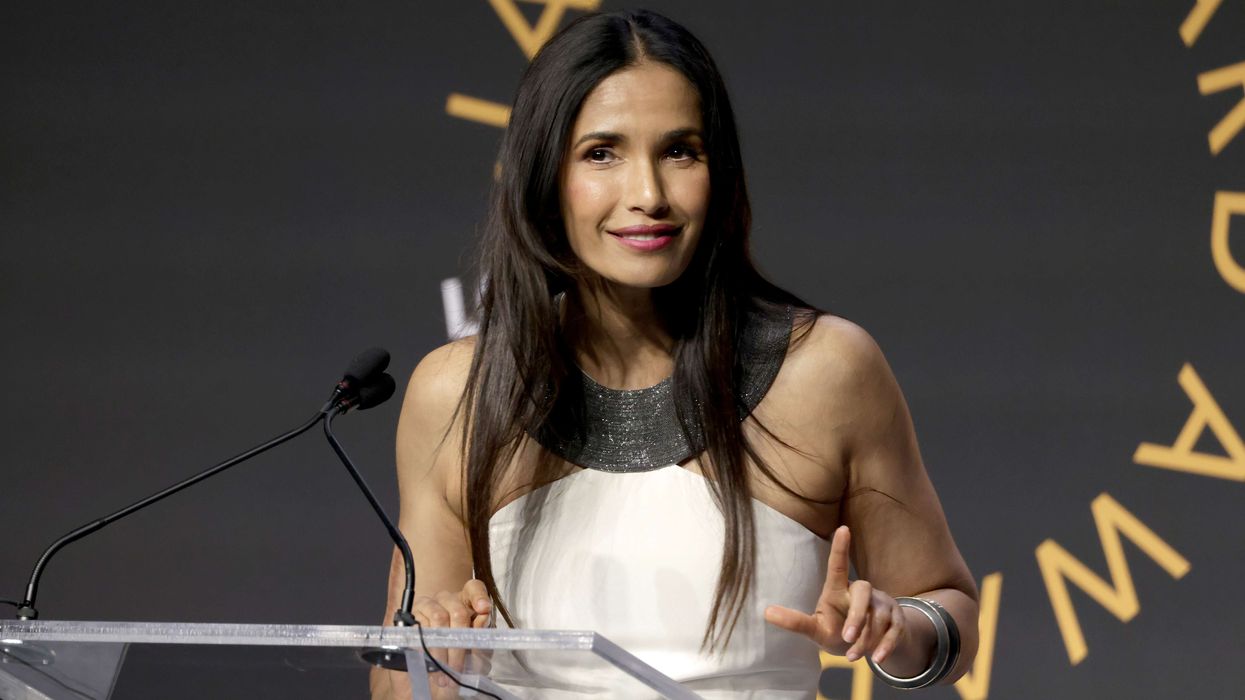
Speaking at an event in New York last month, she said she hopes her latest book can help people from different backgrounds connect with one another at a time when divisions feel sharper.
“We’re in a very dark period in our country right now and I’m afraid to say that it’s probably going to get darker before the light finally comes back,” she said during a conversation at Asia Society, hosted in partnership with The Culture Tree.
A book shaped by travel and stories
Lakshmi’s new cookbook, Padma’s All American: Tales, Travels, and Recipes from Taste the Nation and Beyond, brings together food, travel and personal stories from across the US.
The book draws on her journeys around the country, featuring recipes and profiles from immigrant and Indigenous communities. Each chapter focuses on people she met on the road and the stories behind their food.
She describes it as a celebration of America’s culinary mix, shaped by generations of migration and cultural exchange.
Food as a way to know each other
At a time when anti-immigrant feeling is rising in parts of the US and elsewhere, Lakshmi said she wants the book to make people more curious about their neighbours.
She said she hopes readers will think differently about the people around them — “your Cambodian Americans, your Peruvian Americans, your Nigerian Americans.”
“In a very diverse country, especially in New York, people across the street might speak a different language, eat different food, pray to a different God,” she said. “But often, because of those differences, we don’t cross the street or get to know them.”
Stories behind the recipes
The Emmy-nominated television producer and bestselling author said food can be a simple way to open that door.
“I’m enticing you with the food,” she said. “If you like the food, you’ll be curious about the people that recipe comes from.”
She urged readers to look beyond the dishes and read the personal profiles in the book. “I met some extraordinary people — everyday people with extraordinary stories. I want us to know each other more, so we talk with each other more.”
‘These are just human values’
Lakshmi said she is not trying to lecture people, but hopes the book can quietly bring people closer during difficult times.
“If I can do anything without wagging my finger or standing on my soapbox, to help combat that darkness and bring us closer, that matters,” she said.
She ended by pointing out what people share, no matter where they come from.
“In the end, we all want the same things. We want to care for our elders, see our children safe and healthy, and have a home where our families can thrive. Those aren’t Chinese values or Colombian values. They’re just human values.”