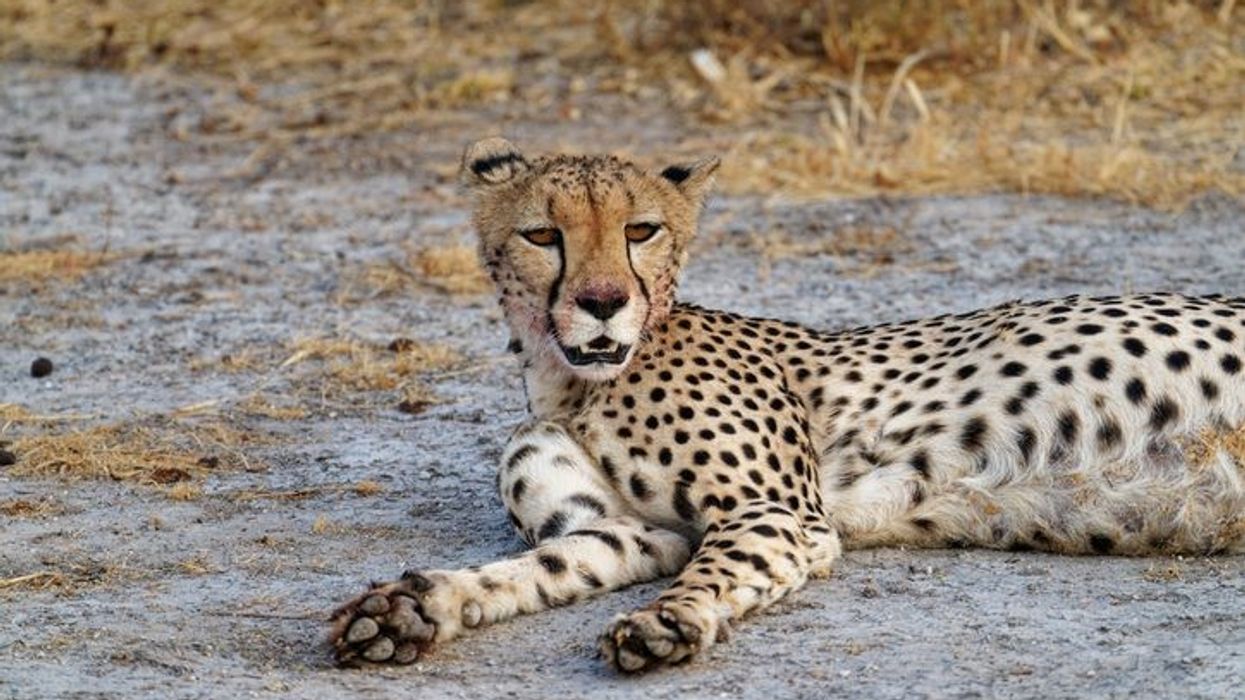

Another cheetah was released into the wild at Kuno National Park (KNP) in Indian state of Madhya Pradesh, bringing the total count to seven, an official said on Monday (29).
The newly introduced cheetah, named Neerva, is a female aged between 3 to 4 years and hails from South Africa. The release took place on Sunday evening when Neerva was set free from a larger enclosure within KNP.
Prakash Kumar Verma, the Divisional Forest Officer (DFO) of the national park, provided information regarding the cheetah's successful integration into its natural habitat.
To date, a total of seven cheetahs have been released into the free-range area, while ten others remain housed in larger enclosures, the official revealed.
The final decision regarding the release of the remaining cheetahs into the wild will be made by the steering committee established by the Central government. The committee members are scheduled to visit KNP on Tuesday, the official said.
As part of an ambitious reintroduction programme for cheetahs, Prime Minister Narendra Modi had unveiled eight Namibian cheetahs, including five females and three males, on September 17 of the previous year. They were released into specially designated enclosures within KNP.
Subsequently, on February 18 of this year, twelve cheetahs, consisting of seven males and five females, were brought to the national park from South Africa. These significant efforts have been undertaken to restore the cheetah population in the region.
In March of this year, Jwala, formerly known as Siyaya, a cheetah translocated from Namibia, gave birth to a litter of four cubs at KNP.
Unfortunately, three of the cubs passed away earlier this month. These cubs held great significance as they were the first to be born in the wild on Indian soil since the last cheetah was hunted in the Korea district of present-day Chhattisgarh in 1947.
In addition to the loss of the cubs, the KNP has also experienced the unfortunate deaths of three adult cheetahs out of the 20 that were translocated from South Africa and Namibia.
The cheetahs named Daksha, Sasha, and Uday were among the adults who did not survive their time at KNP.
The passing of these cheetahs represents a setback in the conservation efforts and highlights the challenges faced in establishing a stable cheetah population in the area.
Namibian cheetah Sasha died on March 27 due to a kidney-related ailment. Uday, a cheetah from South Africa, lost his life on April 13 while Daksha, a South African cheetah, succumbed to injuries sustained during a violent interaction with a male cheetah while attempting to mate on May 9.
(PTI)





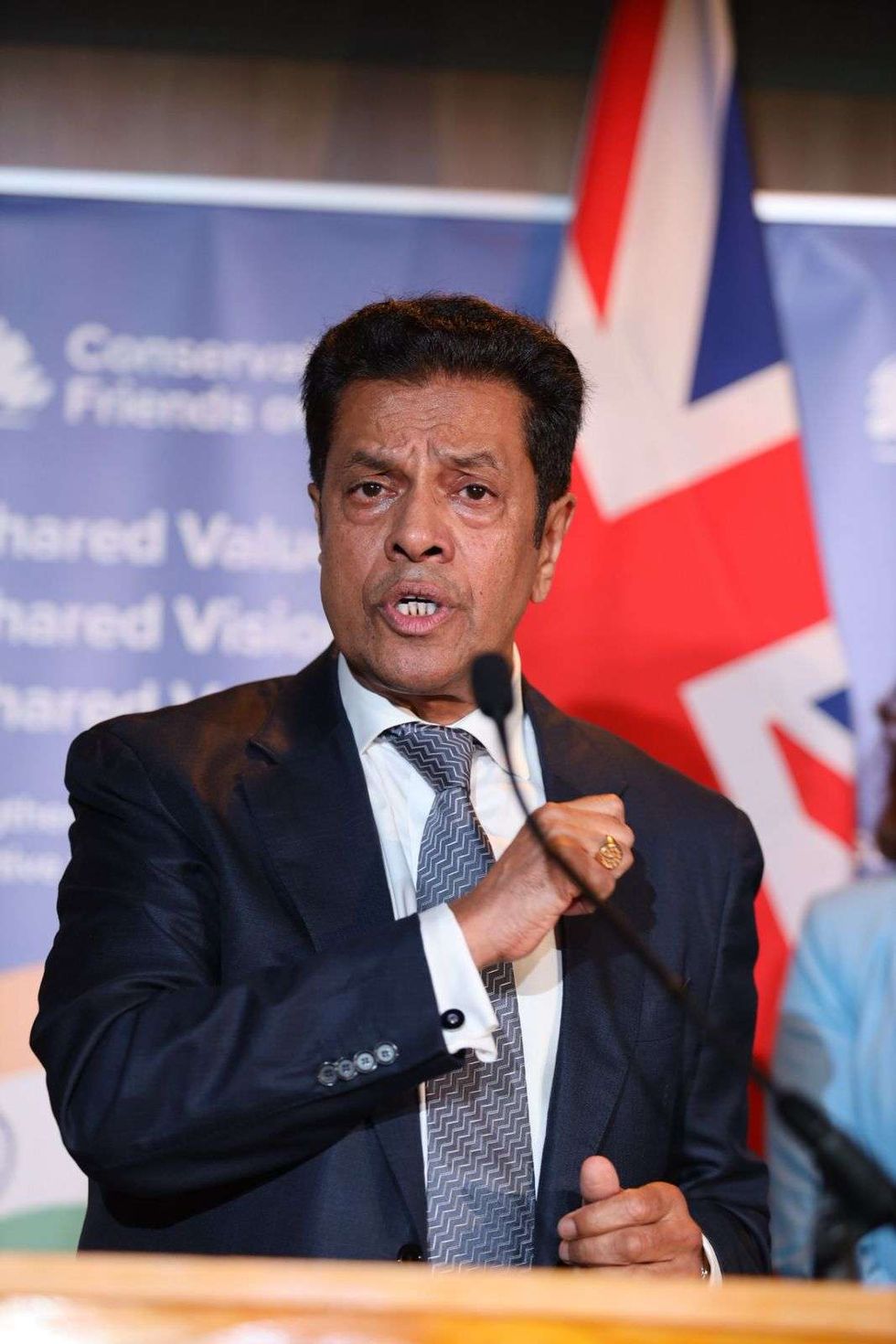 CFIndia co-chair Dr Koolesh Shah CFIndia
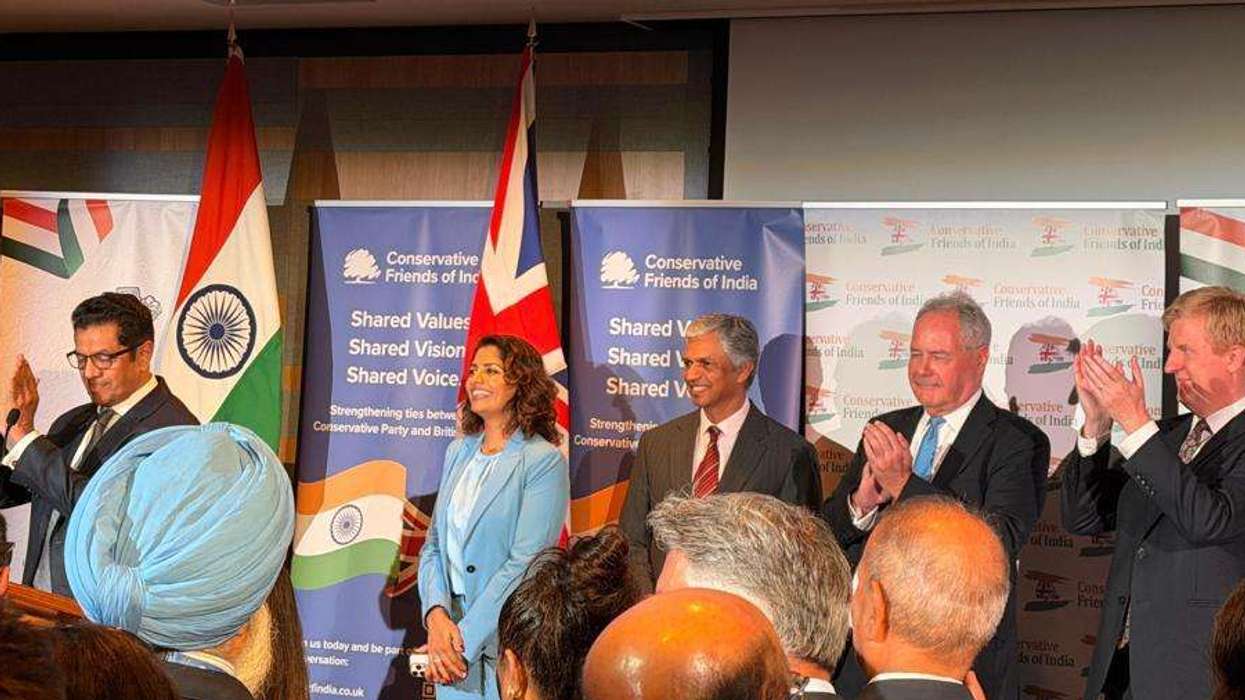
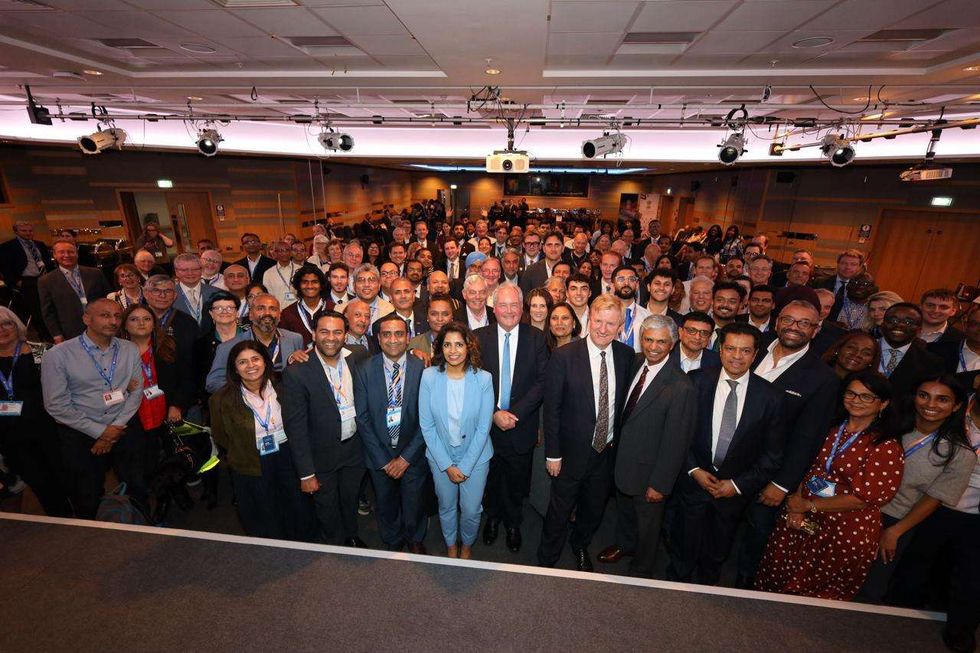 Nearly 500 attended the Conservative Friends of India event.CFIndia
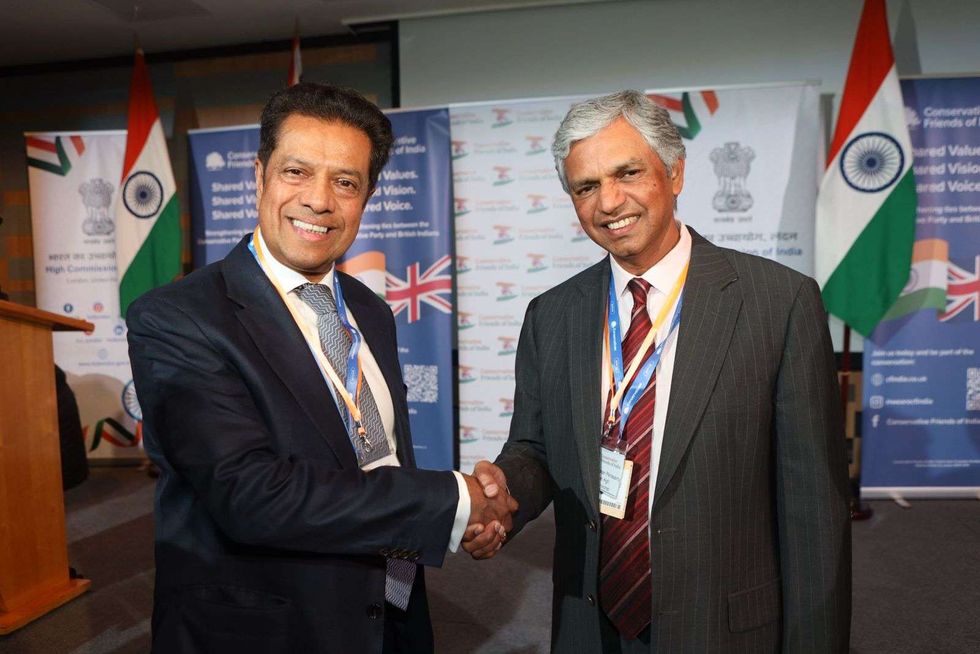 CFIndia co-chair Dr Koolesh Shah with Indian High Commissioner to the UK Kumaran PeriasamyCFIndia