
- Oil prices briefly climbed close to $120 a barrel amid supply fears.
- G7 finance ministers are preparing emergency discussions on possible reserve releases.
- Global stock markets dropped sharply as investors reacted to the widening conflict.
Oil prices have surged sharply as the conflict involving US, Israel and Iran begins to rattle global energy markets and stock exchanges.
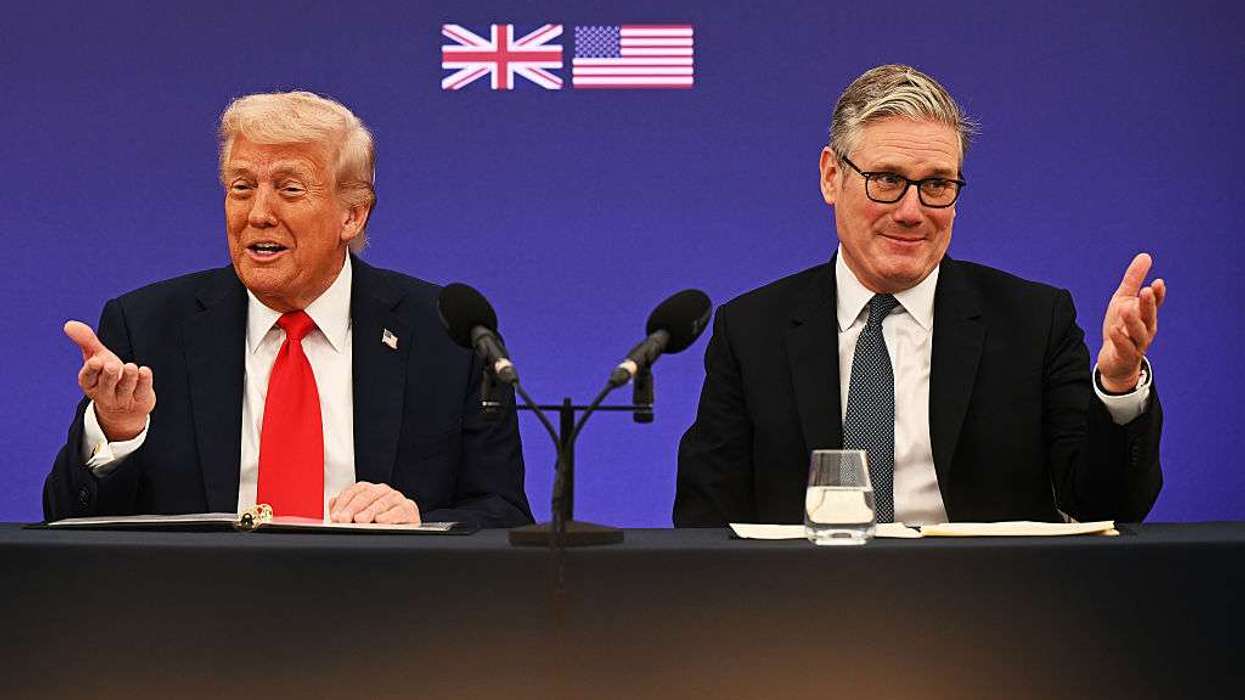
Finance ministers from the Group of Seven nations are expected to hold emergency discussions on March 10 to assess the potential economic fallout. UK Chancellor Rachel Reeves is set to join counterparts from other major industrial economies as concerns grow about energy supply disruptions.
Brent crude briefly jumped above $119 a barrel before settling around $107, while US benchmark West Texas Intermediate was trading near $104.
The sudden surge has largely been driven by fears that supplies moving through the Strait of Hormuz — one of the world’s most critical oil shipping routes — could face prolonged disruption. Nearly 20 per cent of the world’s oil shipments normally pass through the narrow channel.
Traffic through the route has reportedly slowed significantly since the conflict escalated more than a week earlier, raising concerns that a prolonged disruption could push energy prices higher for consumers and businesses worldwide.
Financial markets reacted quickly. London’s FTSE 100 dropped around 1.5 per cent as trading opened, while European markets also slipped. Germany’s Dax and France’s CAC 40 were both down roughly 2.5 per cent.
Asian markets had already seen steep declines earlier. Japan’s Nikkei 225 fell 5.2 per cent, while South Korea’s Kospi closed down 6 per cent. Trading on the Kospi was briefly halted for about 20 minutes after a circuit breaker was triggered to curb heavy selling.
Oil majors BP and Shell were among the few companies on the FTSE 100 to gain as higher crude prices boosted energy stocks.
Gas markets were also unsettled. UK gas prices for month-ahead delivery surged nearly 25 per cent to about 171p per therm before easing back to roughly 156p.
Governments consider tapping emergency reserves
Behind the scenes, governments are now considering whether intervention in energy markets may be necessary.
The Financial Times reported that the G7 discussion could include a coordinated release of petroleum reserves through the International Energy Agency. If such a step is taken, it would be the first time since 2022 when emergency reserves were released following Russia’s invasion of Ukraine.
Energy analysts suggest the market reaction reflects growing concern that the conflict could drag on.
Adnan Mazarei from the Peterson Institute for International Economics reportedly said the rise in oil prices was expected given the production disruptions in parts of the Gulf and the signs of a prolonged conflict. “People are realising that this won't end quickly,” he said, as quoted in a news report.
Military developments are continuing to add uncertainty. US and Israeli forces reportedly launched fresh airstrikes across Iran over the weekend, hitting multiple targets including oil depots.
Iran has also been accused of attempting to target energy infrastructure in neighbouring Gulf states. Saudi Arabia said it intercepted two waves of drones heading towards a major oilfield overnight.
Adding to the uncertainty, Iran has named Mojtaba Khamenei as the successor to Supreme Leader Ali Khamenei, signalling that hardline leadership remains in control.
Political tensions grow as fuel costs rise
Rising oil prices are also beginning to stir political debate in the US.
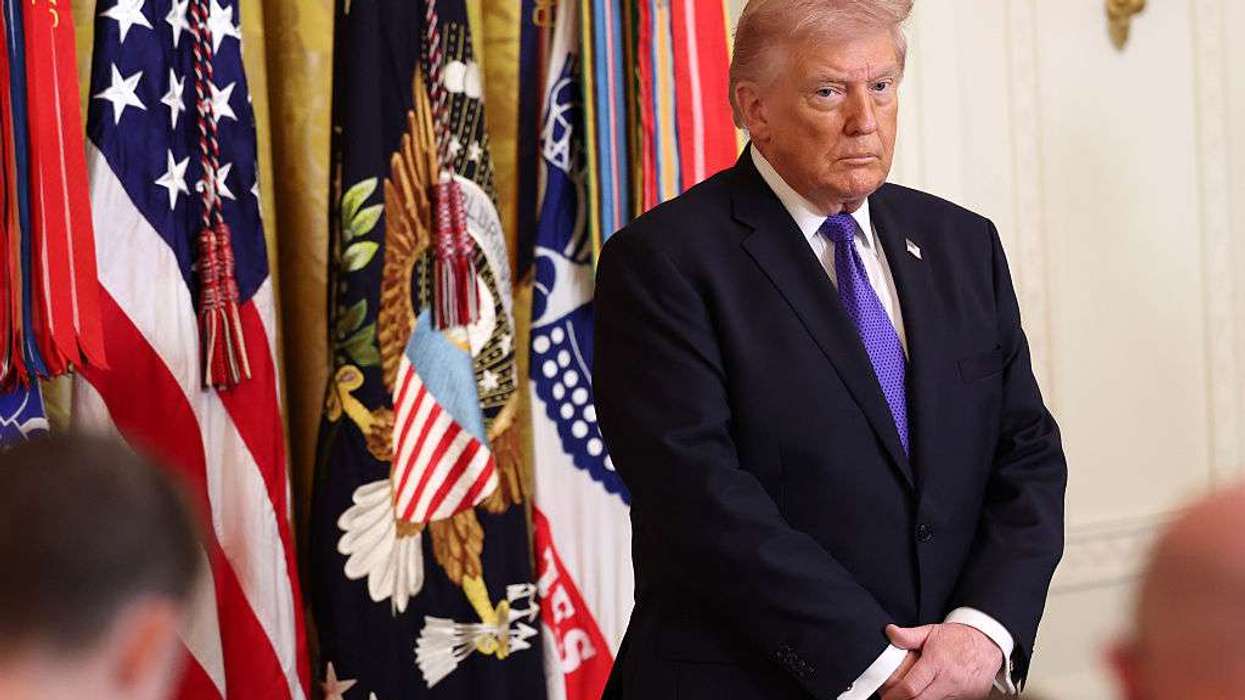
President Donald Trump has downplayed concerns about the surge in energy costs. In a post on his Truth Social platform, he reportedly said short-term price increases were a small cost for long-term security.
“Short term oil prices, which will drop rapidly when the destruction of the Iran nuclear threat is over, is a very small price to pay for USA, and World, Safety and Peace. ONLY FOOLS WOULD THINK DIFFERENTLY!” Trump wrote, reportedly said in the post.
Meanwhile, Energy Secretary Chris Wright reportedly told US broadcasters that Israel — not the US — was targeting Iran’s energy infrastructure.
Even so, the impact is already visible at petrol stations. Data from motorists’ group AAA shows the average price of regular petrol in the US rose 11 per cent over the past week to about $3.32 per gallon.
For markets, the key question now is whether oil shipments through the Strait of Hormuz will return to normal. If the disruption continues, analysts believe energy prices could remain volatile in the weeks ahead.