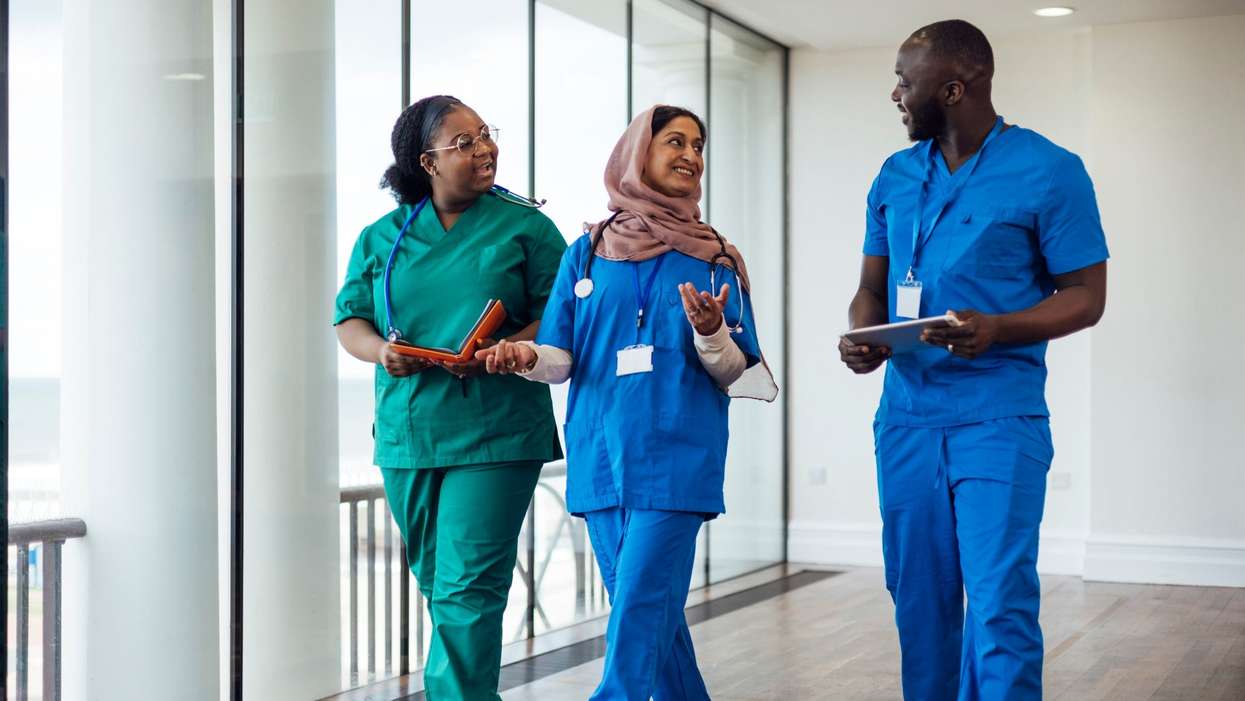

THE GOVERNMENT will increase the number of cancer specialists in rural and coastal areas as part of plans to address regional gaps in cancer care across England.
New training places will be targeted at NHS trusts with the largest workforce shortages, with a focus on communities where access to cancer consultants is currently limited. The measures will be set out in the forthcoming National Cancer Plan.
The government will work with the Royal Colleges to encourage more doctors to train in clinical and medical oncology.
The plan will also introduce new national standards for cancer care and expand the use of cancer detection technology and artificial intelligence to support earlier diagnosis.
Health and Social Care Secretary Wes Streeting said: “For too long, your chances of seeing a doctor and catching cancer early have depended on where you live. That’s not fair and has to stop.”
He added: “We’re training more doctors in the communities that need them most and making sure the latest cancer detection technology reaches every corner of the country.”
Professor Peter Johnson, National Clinical Director for Cancer at NHS England, said: “We are tackling the differences in cancer care between different parts of the country head-on with the new National Cancer Plan, so that no one needing a diagnosis or treatment is left behind.”
The government said new rules will require approved cancer tests, devices and digital tools to be funded by the NHS. From April 2027, new technologies will go through the same approval process as medicines.
The first technologies to be assessed include a sponge test for oesophageal cancer, software to analyse tissue samples for prostate and breast cancer, AI tools to read chest X-rays for suspected lung cancer, and techniques to support faster diagnosis of endometrial cancer.
Professor Jonathan Benger, Chief Executive of NICE, said: “These reforms mean that clinically and cost-effective medical devices, diagnostics and digital tools will start to be reimbursed and made available consistently across the NHS.”
The announcement comes alongside wider plans to reduce variation in cancer care, expand community diagnostic centres and invest £70 million in new radiotherapy machines.