
As we enter 2026, a familiar question is making the rounds: are you setting any New Year’s resolutions?
There are the usual promises – to go to the gym more and eat better. No, really, this time it will stick.
As a sustainability strategist, I spend a lot of time working with businesses and thinking about how they can reduce their impact on the planet. But like many of us, I am also thinking about what I can realistically do as an individual. Working closely with the food industry has made one thing clear: what we cook and eat every day matters more than we think.
The secret to a resolution is not perfection. It is about setting habits that feel good, are manageable, and can be built up gradually. So here is a simple question: what if your New Year’s resolution was good for both you and the planet?
Below are three easy, kitchen-focused sustainability habits that anyone can start.
Eat more seasonal produce
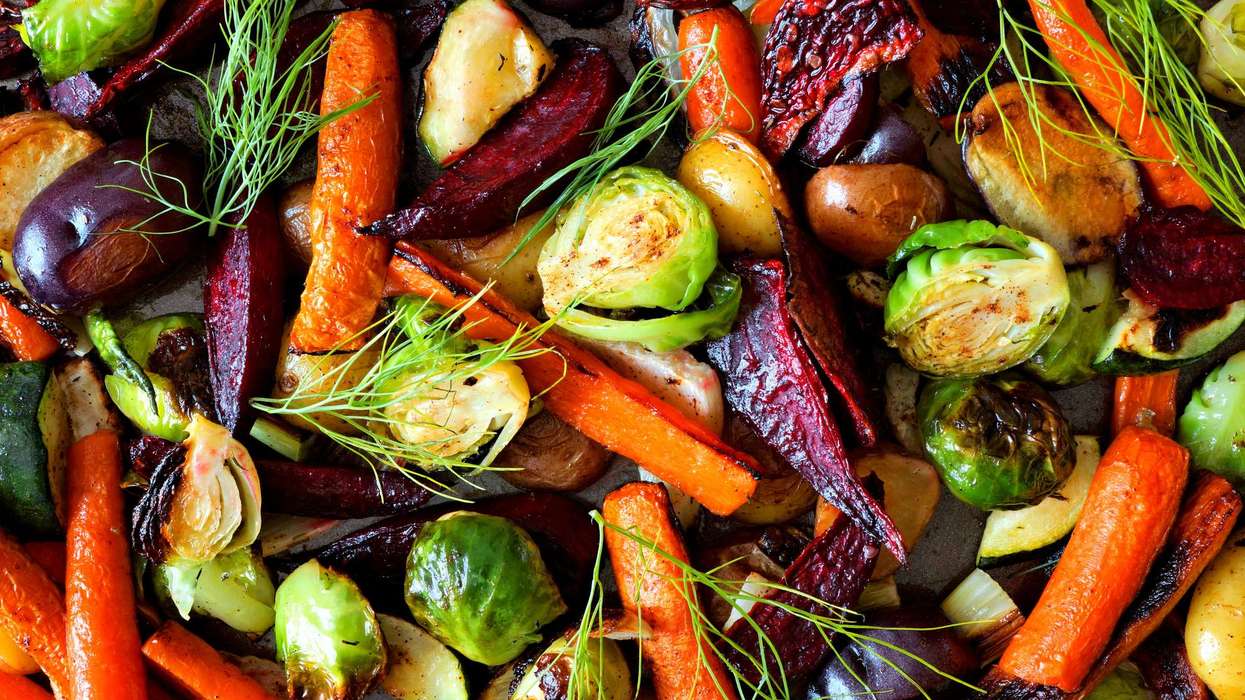
Much of the food we buy in the UK is not in season, meaning it is often imported and transported over long distances. These “food miles” add significantly to a product’s carbon footprint. Seasonal cooking means choosing fruits and vegetables that naturally grow in your region at that time of year. If you are UK-based, the BBC Good Food seasonal calendar is a helpful place to start. Even a few small swaps can make a difference.
https://www.bbcgoodfood.com/howto/guide/seasonal-calendar
Reduce meat consumption
Meat often sits at the centre of climate conversations, and for good reason: it produces far higher emissions than vegetables or grains. The average UK consumer eats around 854g of meat a week, and for many cultures, meat is deeply embedded in everyday cooking. Rather than cutting it out entirely, partial swaps can be just as effective. Think lentils, chickpeas, tofu, or seitan – for example, a spaghetti bolognese made with half beef and half lentils. Familiar, filling, and better for the planet.
Rethink food waste
How often do we peel a potato, carrot, or parsnip and throw the skins straight into the bin? Those peels are edible, nutritious, and something most of us encounter regularly, especially during festive cooking or a Sunday roast. Try turning them into a snack: drizzle with olive oil, salt, and pepper, then roast at 180°C for 10–15 minutes until crispy. Add garlic or paprika if you like. Less waste, more flavour.
Sustainability does not have to mean doing something drastic or unfamiliar. It can be about making small changes to everyday habits that add up to a big difference for the planet.