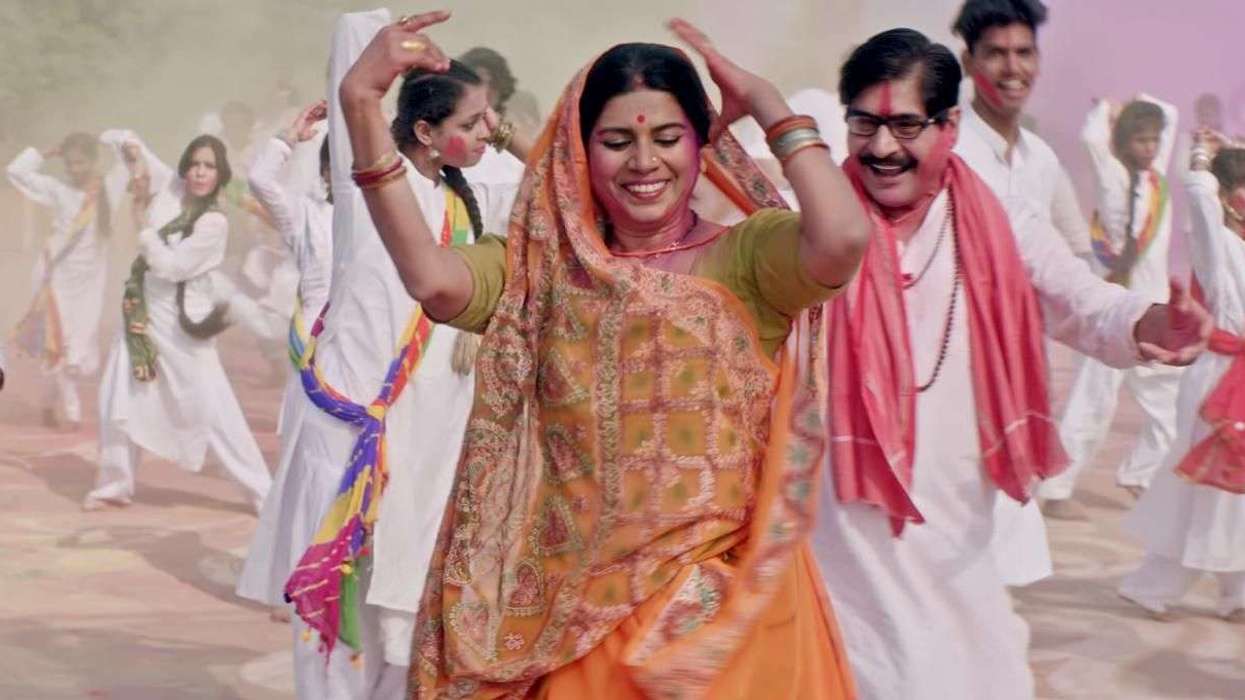

Mr Paanwala delivers a heartfelt, old-fashioned story about love, sacrifice, and generational divides, reminding audiences that simplicity still has power
There’s a long-standing problem in mainstream Bollywood: it rarely knows who it’s making films for anymore. In chasing spectacle, violence, or borrowed storylines, it often neglects the middle ground, stories that speak to everyday life, especially for older audiences. That’s what makes Mr Paanwala feel like such a welcome change of pace.
At its core, this is a simple, heartfelt story. Veteran performers Mita Vashisht and Yashpal Sharma play a devoted couple in Lucknow, running a humble paan stall passed down through generations. Their lives revolve around tradition, routine, and a deep emotional bond,not just with each other, but with the legacy they’ve inherited. Their hopes are pinned on their son, whom they send to London, expecting him to return, settle down, and carry the family torch forward.
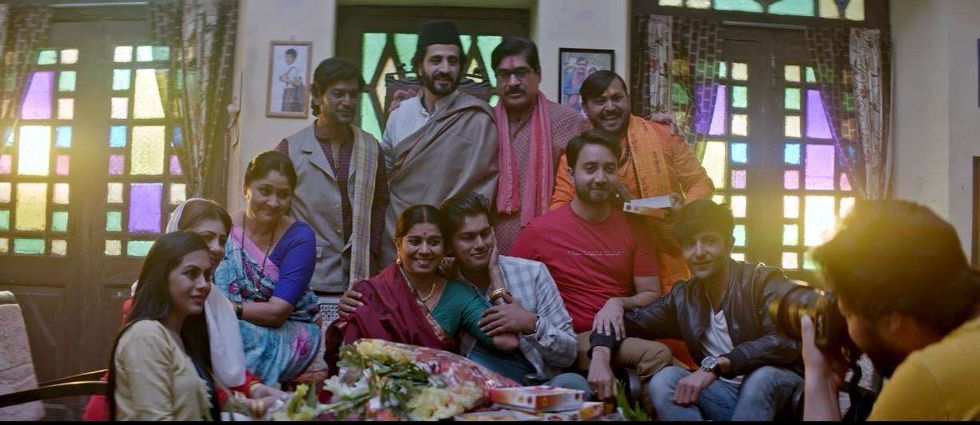 What makes Mr Paanwala work is its restraint RockOn Music
But the film gently, and painfully, unravels those expectations. In London, their son builds a new life, falls in love with a Caucasian British girl, and begins to drift away from the values his parents hold dear. Running parallel is another threat closer to home: a shopping mall developer looking to wipe out small, traditional businesses like theirs. These dual pressures, modernity from afar and commercialisation from within, create a quiet but persistent emotional tension that underpins the entire narrative.
What makes Mr Paanwala work is its restraint. It doesn’t rely on melodrama or grand twists; instead, it invests in character, emotion, and relatability. For many Indian parents, especially those with children abroad, this story will hit close to home. There’s a universality in its themes of sacrifice, expectation, generational disconnect, and cultural identity that transcends geography and speaks across diasporas.
The film also takes time, refreshingly so, to explore the romance between the older couple. It’s tender, believable, and rarely depicted with such sincerity in contemporary cinema. Vashisht and Sharma deliver deeply engaging performances, filled with small, human moments that give the film its emotional weight and authenticity.
Director Vijay Bhola, better known for organising major south Asian concert tours, makes a confident debut here. His background in live entertainment perhaps explains his instinct for drawing out strong performances and crafting emotionally resonant moments. The cinematography complements the tone nicely, capturing both the intimacy of the couple’s world and the changing landscape around them, from the charm of old Lucknow to the alien distance of London.
Unsurprisingly, one of the film’s strongest elements is its soundtrack. Rooted in commercial styles, it features a mix of love songs, a wedding number, a Holi celebration, and a deeply emotional track, each adding texture without overwhelming the narrative and reinforcing the film’s nostalgic sensibility.
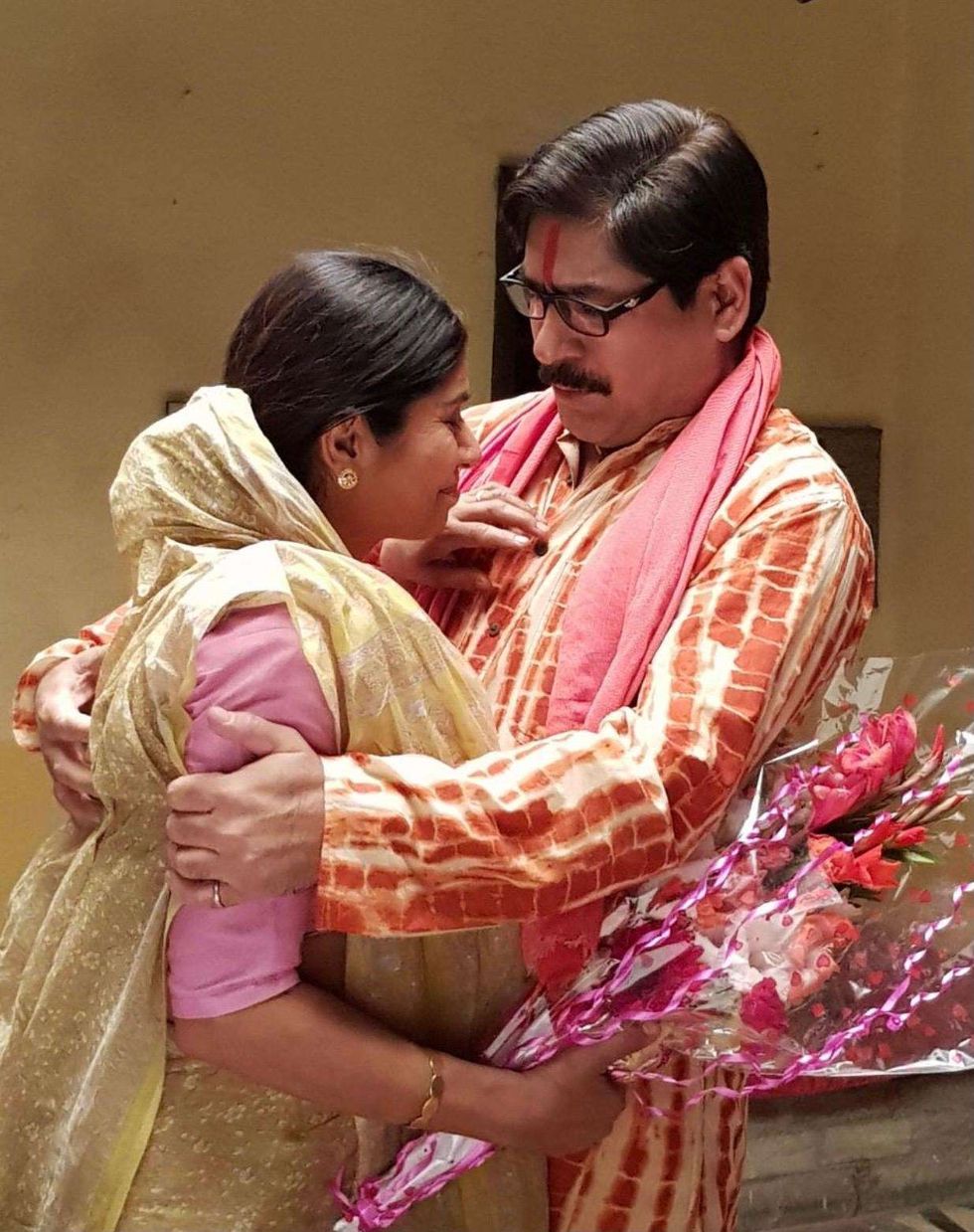 The film also takes time to explore the romance between the older couple RockOn Music
It’s true that some viewers, particularly younger ones accustomed to faster-paced storytelling, may find the film slow. But that criticism misses the point. This isn’t a film chasing trends; it’s one that asks for patience and offers quiet rewards in return. Stick with it, and there are meaningful life lessons about family, gratitude, and change woven throughout.
Perhaps most importantly, Mr Paanwala feels like a film made for an audience that’s often ignored: older viewers who want stories reflecting their own lives and struggles. As a British- made Bollywood film, it also bridges cultures in a subtle, effective way, highlighting the emotional cost of migration and modern ambition.
It’s not flawless, but it doesn’t need to be. In a landscape crowded with overblown, self-indulgent productions, this film’s sincerity stands out. It marks a promising new chapter for Bhola, an unsung figure in British Asian culture, now stepping into filmmaking with confidence, warmth, and a clear sense of purpose.
With its upcoming release on YouTube on April 3, it’s well worth seeking out. And if younger viewers are smart, they’ll point their parents and grandparents towards it.