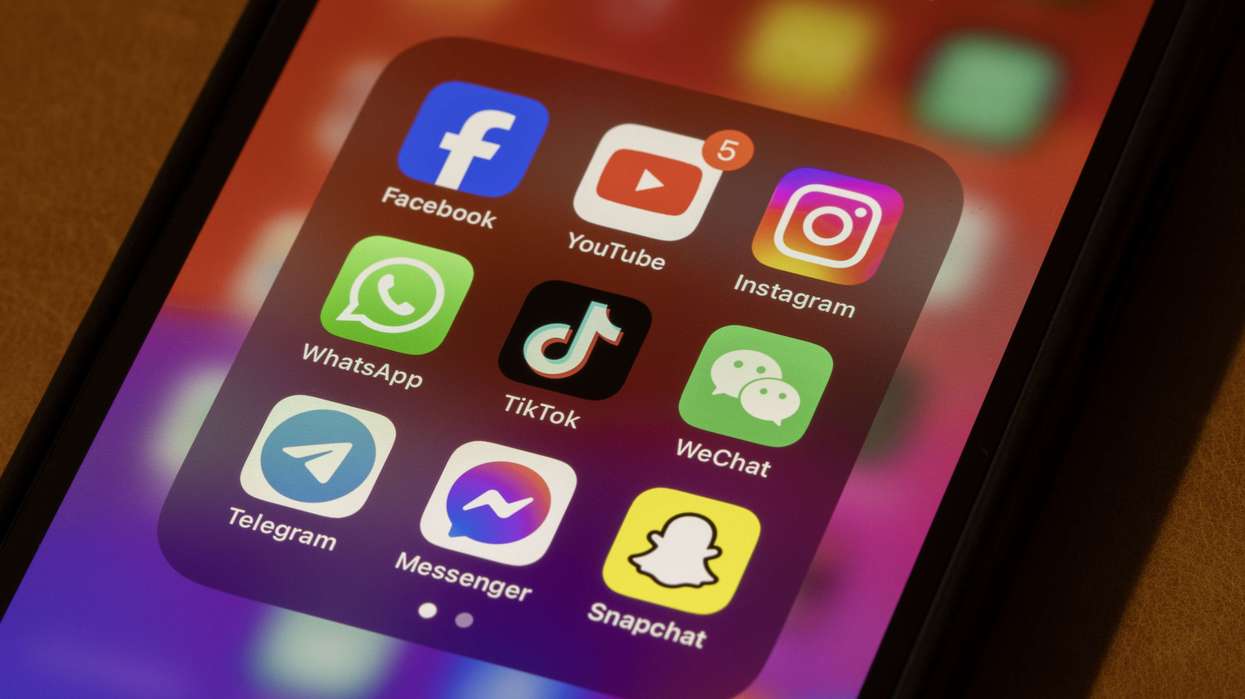

Highlights
- Lawyers claim infinite scrolling, like buttons and filters designed to create addictive behaviour in minors.
- Case involves testimonies from over 1,500 people with TikTok and Snapchat settling out of court.
- Meta CEO Mark Zuckerberg and Instagram head Adam Mosseri expected to testify during trial.
Platform design challenged
Lanier called Meta and Google "two of the richest corporations in history" that have "engineered addiction in children's brains," telling the jury they "deliberately designed their products to hook users and keep them coming back, not by accident [but] by design, because addiction is profitable."
He identified three features allegedly designed to create addiction: "the endless ride" or infinite scrolling, "the chemical high five" or the like button which he said "caters to a minor's craving for social validation," and "the fun house mirror" or body image filters, where young people see "a perfect version of herself that doesn't exist."
The case centres on a 20-year-old plaintiff known as KGM, who began using YouTube aged 6 and Instagram at 9. Before finishing primary school, she posted 284 YouTube videos.
She claims social media addiction caused anxiety, depression and body image issues.
Companies defend practices
Meta's lawyer Paul Schmidt highlighted scientific community disagreement over social media addiction, with some believing it doesn't exist or that addiction inappropriately describes heavy social media use.
He argued KGM's mental health issues stemmed from other life circumstances, asking jurors "If you took Instagram away, would she have experienced those same struggles?"
Meta stated in a blog post that such legal action "oversimplifies" the "complex issue" of teenage mental health, noting "Narrowing the challenges faced by teens to a single factor ignores the scientific research and the many stressors impacting young people today."
Google spokesperson Jose Castaneda said "Providing young people with a safer, healthier experience has always been core to our work. The allegations in these complaints are simply not true."
Meta CEO Mark Zuckerberg and Instagram head Adam Mosseri are expected to testify during the eight-week trial.