
The Food Safety and Standards Authority of India (FSSAI) has initiated steps to examine the quality of powdered spices from various brands, including MDH and Everest, throughout India following quality concerns raised by Singapore and Hong Kong, a government source disclosed.
"Given the current situation, FSSAI is collecting samples of spices from all brands, including MDH and Everest, from the market to ascertain whether they adhere to FSSAI standards," the source informed PTI.
It was clarified that FSSAI doesn't oversee the quality of exported spices.
Operated under the Ministry of Health and Family Welfare, FSSAI routinely gathers spice samples from the market to assess the quality of products available in the domestic market.
Concurrently, the Spices Board of India is addressing the prohibition imposed by Hong Kong and Singapore on the sale of four spice-mix products from Indian brands MDH and Everest, allegedly containing the pesticide 'ethylene oxide' in excess of permissible limits.
"We are actively investigating the issue. We're on it," stated A B Rema Shree, Director of the Spices Board of India, to PTI.
Efforts to reach out to the companies for comment were unsuccessful.
Hong Kong's Center for Food Safety (CFS) has urged consumers to refrain from purchasing these products and advised traders against selling them, while the Singapore Food Agency has mandated a recall of such spices.
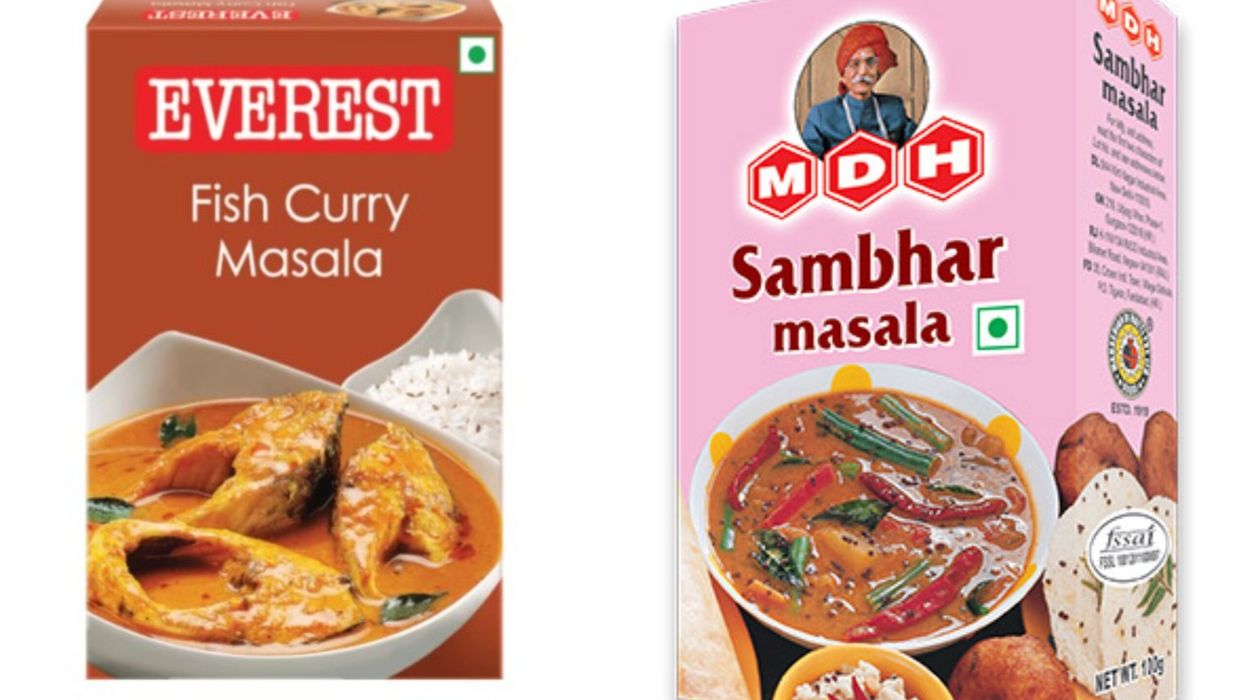
The products in question include MDH's Madras Curry Powder, Everest Fish Curry Masala, MDH Sambhar Masala Mixed Masala Powder, and MDH Curry Powder Mixed Masala Powder.