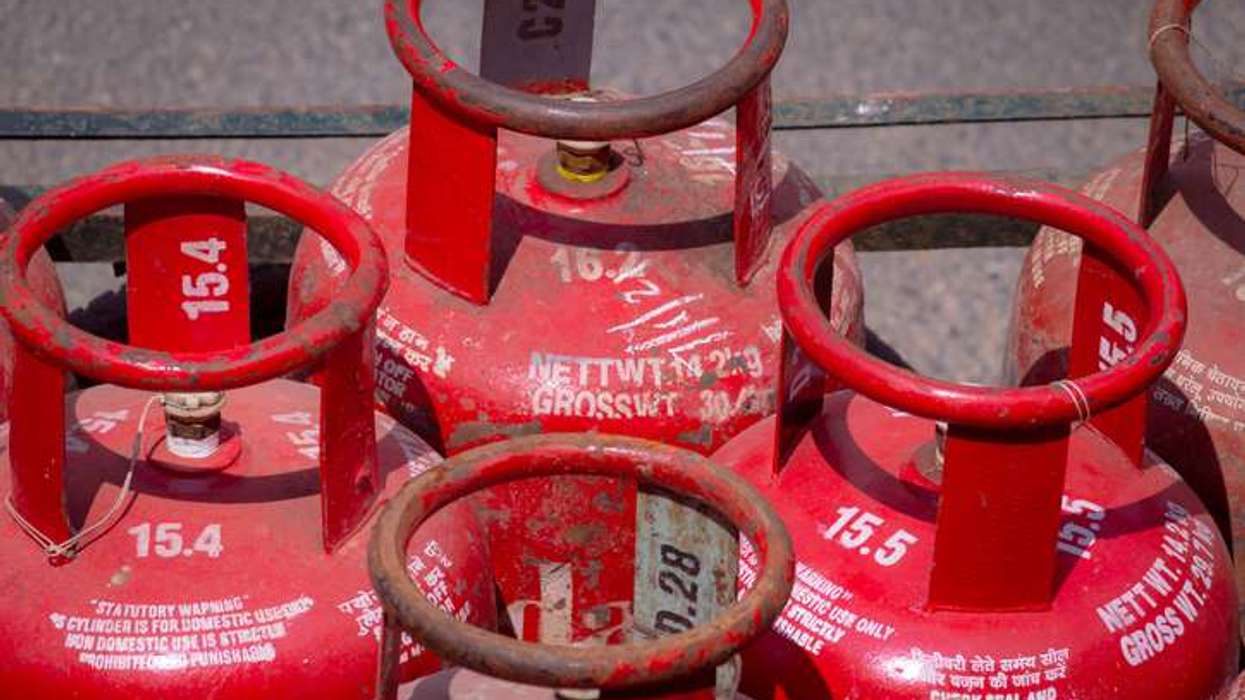

- Liquefied petroleum gas shortages are affecting restaurants across India.
- The disruption follows energy shipment problems linked to the Strait of Hormuz conflict.
- Restaurants are cutting services while some switch to alternative cooking methods.
The ripple effects of the conflict involving the US, Israel and Iran appear to be reaching an unexpected place — restaurant kitchens across India.
As tensions disrupt energy shipments moving through the Strait of Hormuz, supplies of liquefied petroleum gas (LPG) in India have reportedly tightened. Restaurants, which rely heavily on commercial LPG cylinders, are now facing shortages that are forcing them to adjust operations.
Videos circulating on social media show long queues forming outside LPG distributors in several cities as concerns over supply spread. While households still appear to be receiving deliveries, commercial users such as restaurants are reportedly feeling the pressure first.
Manpreet Singh of the National Restaurant Association of India, which represents around 500,000 eateries, reportedly said the situation has become increasingly difficult for businesses.
“The situation is dire. Cooking gas simply isn’t available,” Singh reportedly said, explaining that most restaurants operate using commercial LPG cylinders or piped gas systems.
According to Singh, the shortages are being felt across multiple regions. “A lot of restaurants have closed — some in Delhi, many in the south. People are switching to coal, wood and electric cookers to keep kitchens going,” he reportedly said.
Restaurants adapt as supplies tighten
Reports from Mumbai suggest as many as 20 per cent of hotels and restaurants may already be partly or fully shut due to limited LPG availability.
In cities such as Bengaluru and Chennai, restaurant operators say their gas reserves are running dangerously low. Some kitchens have had to scale back operations significantly.
Haroon Sait, who runs an artisan bakery and restaurant chain in Bengaluru, reportedly said the situation has forced businesses to simplify their offerings.
“We can only make coffee and nothing else — it is nothing less than pathetic. Businesses are going to suffer,” Sait reportedly said.
Restaurant operators are trying to adjust where possible. Singh reportedly said some establishments have trimmed menus, stopped serving lunch or shifted to dinner-only operations while waiting for gas deliveries.
Closures appear to be fluctuating as supply levels change. Singh reportedly said three restaurants in Delhi had shut temporarily but two reopened once new cylinders arrived.
Retailers say the situation is also driving demand for alternative cooking equipment. Some appliance sellers report a surge in purchases of electric cookers as restaurants look for backup options.
Supply worries grow despite government reassurance
Despite the growing concerns among businesses, government officials say there is no nationwide shortage.
India has more than 300 million domestic LPG users, and authorities say supplies are being redirected to protect household demand. Officials say refineries were instructed on March 8 to increase LPG production for domestic use.
According to the petroleum ministry, domestic LPG output has already increased by roughly 25 per cent, with commercial supply being prioritised for critical sectors such as hospitals and educational institutions.
Sujata Sharma, a senior official in the petroleum ministry, reportedly said panic buying and misinformation may be contributing to the tension.
“Some panic booking and hoarding has been triggered by misinformation. The normal delivery cycle for domestic LPG remains about two-and-a-half days,” Sharma reportedly said.
Still, concerns are spreading beyond restaurants. A widely shared video from Chennai shows a long queue of motorbikes waiting outside a petrol station, with social media users suggesting anxiety over fuel supplies is growing.
LPG seen as the weakest link in energy supply
India imports about 90 per cent of its crude oil, and roughly half of that supply passes through the Strait of Hormuz. However, analysts suggest crude supply disruptions could be partly offset by imports from other sources.According to maritime data firm Kpler, India could increase purchases of discounted Russian crude oil if supplies from the Gulf remain disrupted. Incremental Russian imports in March could reach 1–1.2 million barrels a day, helping narrow any shortfall linked to Hormuz shipments.
India is also one of the world’s major exporters of refined fuels. In 2025, its net exports of refined petroleum products averaged about 1.1 million barrels per day, suggesting domestic fuel supply may remain relatively stable.
The real concern, analysts say, is LPG.
India consumes roughly 1 million barrels of LPG per day, but domestic production meets only 40–45 per cent of that demand. The remainder is imported, with 80–90 per cent of those shipments travelling through the Strait of Hormuz.
Even if refineries increase output slightly, analysts say domestic production would still cover less than half of national demand.
As a result, LPG availability may remain the key factor to watch in the coming weeks. While oil supply disruptions could potentially be managed through diversified imports, cooking gas shortages are already beginning to affect businesses and households more directly.
For many restaurant owners, the issue has become less about global energy markets and more about the next delivery.
As Singh reportedly put it, the immediate concern is simple: finding the next LPG cylinder to keep kitchens running.