
BRITISH Indian historian, author and art collector Peter Bance has loaned a major part of his extensive Maharaja Duleep Singh collection for a new royal exhibition in London, themed on the Sikh ruler’s daughters and set to open later this month.
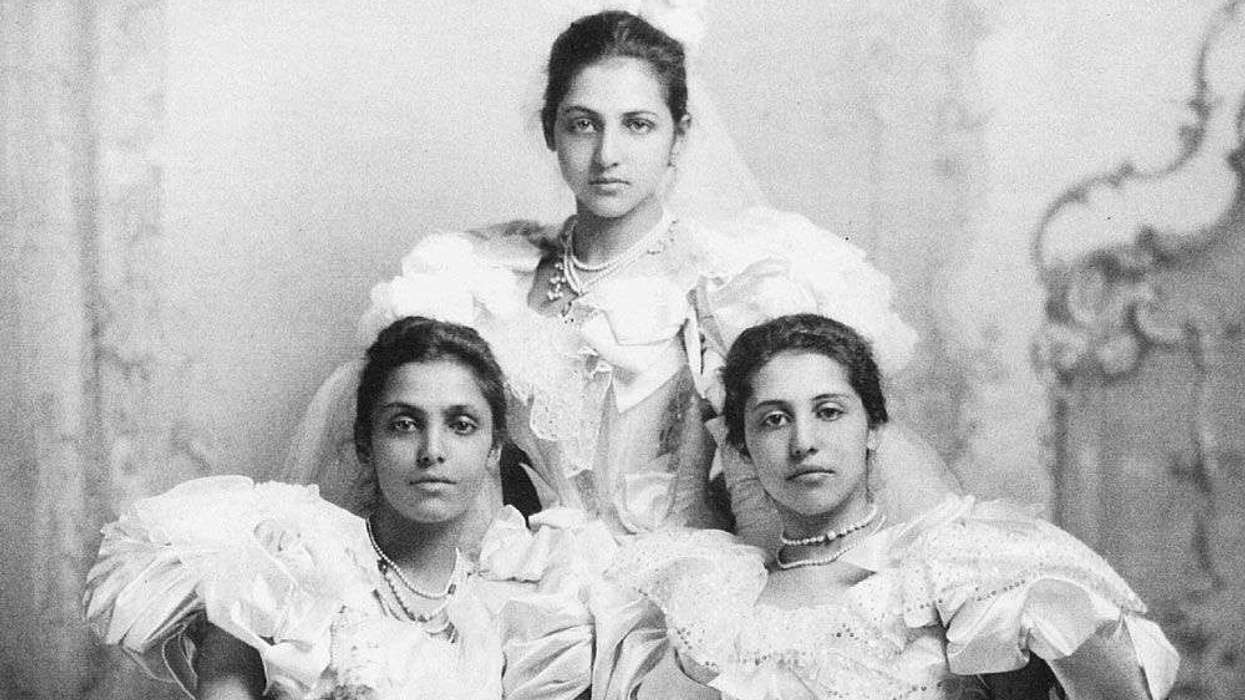
The Last Princesses of Punjab at Kensington Palaceat Kensington Palace will revolve around Princess Sophia Duleep Singh and her life as an activist for women’s voting rights as a suffragette in 20th century England.
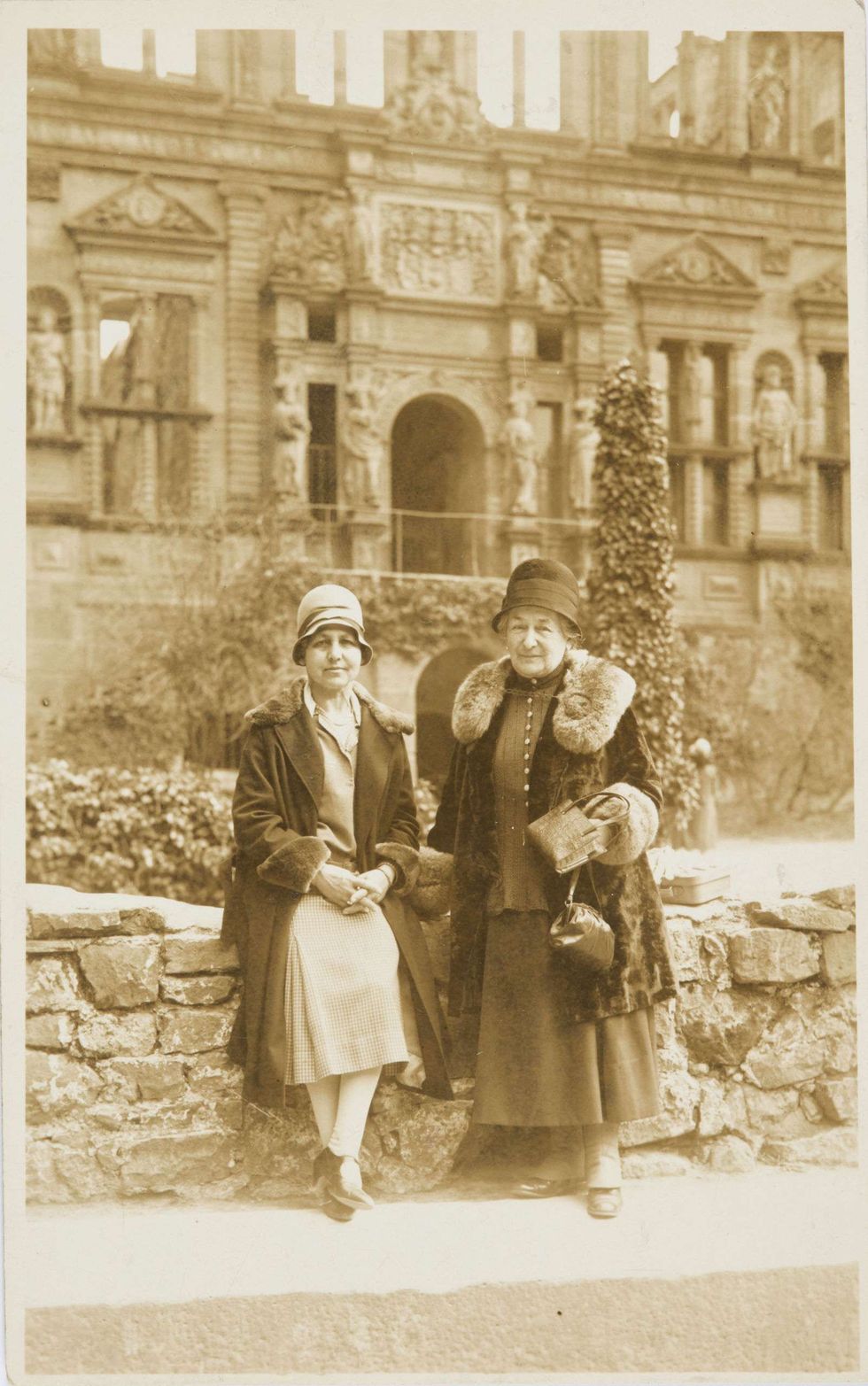 Catherine Duleep Singh with her German governess and lover Fraulein Schäfe@PeterBance
The exhibition will also put the spotlight on her Indian princess sisters, her German mother Bamba Muller, grandmother Maharani Jind Kaur and godmother Queen Victoria as influences in her life. This year marks Sophia’s 150th birth anniversary.
“Princess Sophia Duleep Singh is best known as a suffragette who fought for women’s right to vote, using her position to further the cause,” said Historic Royal Palaces, the charity that cares for England’s palaces.
“Along with her sisters Catherine and Bamba, Sophia inherited a rich but complex heritage from both sides of her family. The women expressed and connected to this in different ways,” it said. The Kensington Palace exhibition opens on March 25.
It coincides with the launch of Bance’s new book The Last Royals of Lahore: The Duleep Singhs, a coffee-table tome packed with newly discovered archive material and exclusive firsthand accounts from those who knew this British Punjabi royal family intimately.
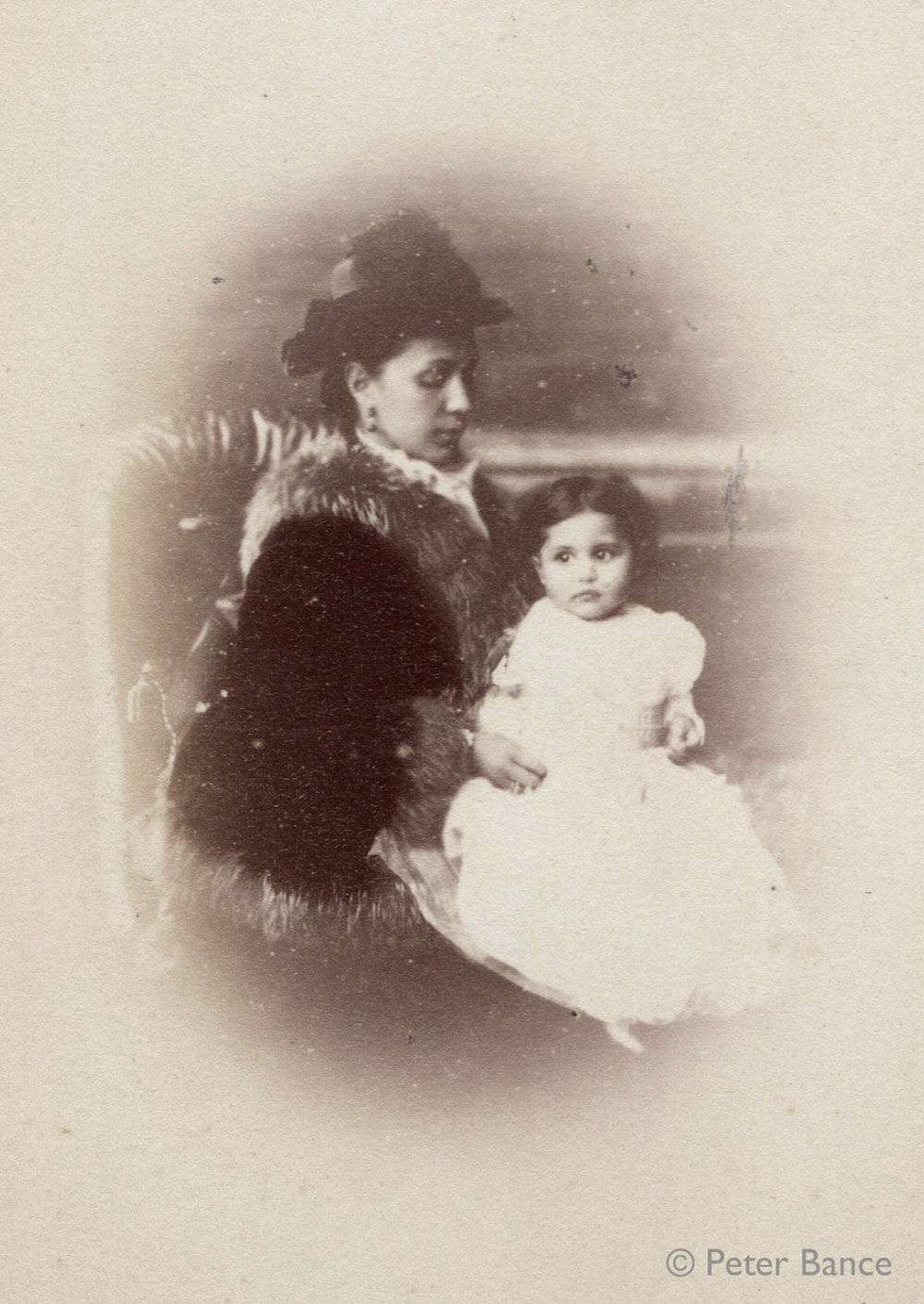 Princess Sophia as a baby with her mother, Maharani BambaPeter Bance
“This is my third instalment on the Duleep Singh family, published to coincide with the exhibition at Kensington Palace and just as that focuses on the females, the emphasis of the book is also on the females of the royal durbar,” said Bance.
“The book has a chapter on each member of the family of the last Sikh Maharaja of Punjab, then the kingdom of Lahore, covering his five daughters and three sons,” he said. The book’s foreword is written by singer-actor Satinder Sartaj, with whom Bance collaborated for the film on Duleep Singh’s life story ‘The Black Prince’.
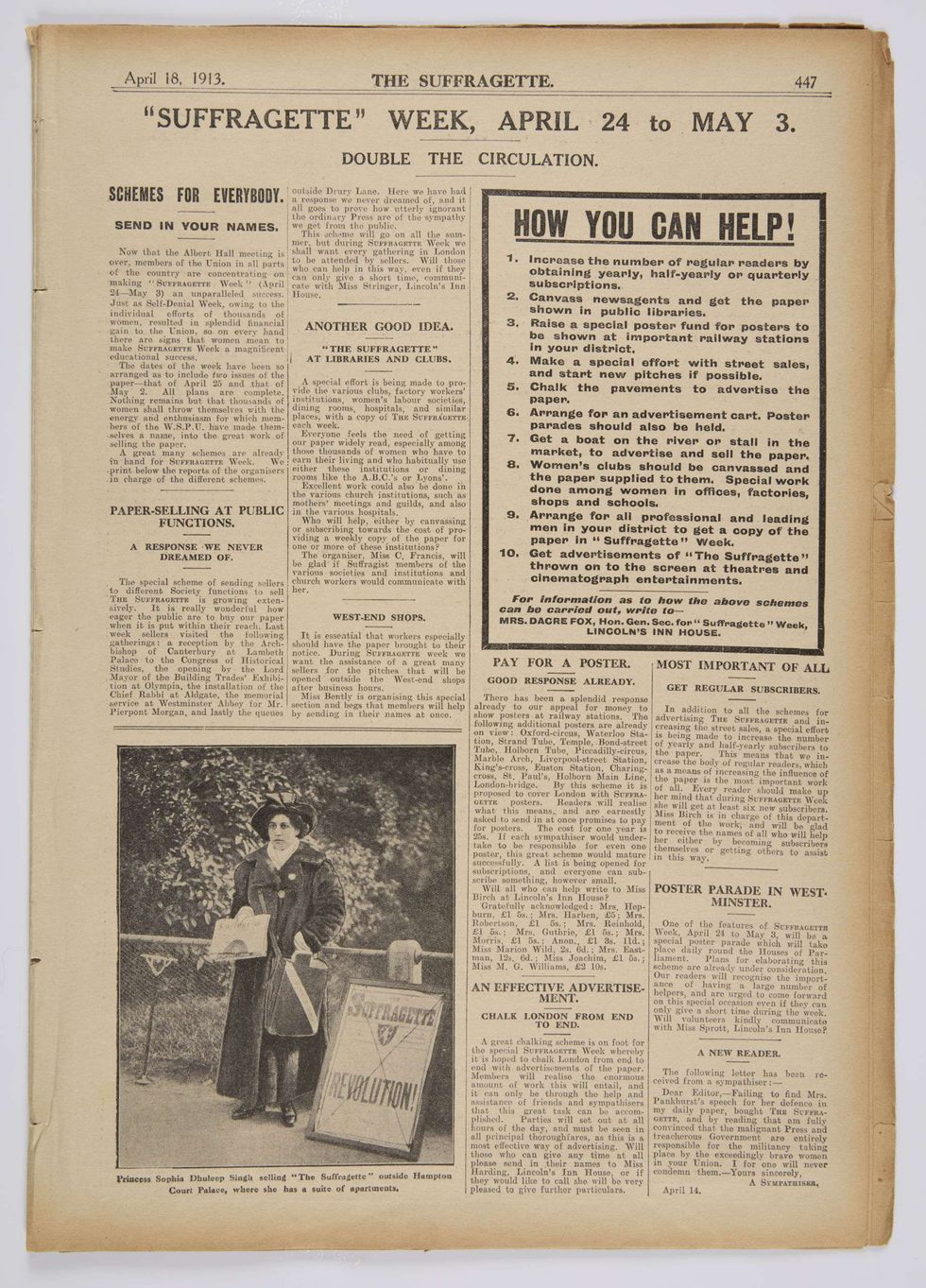 A bound copy of The Suffragette newspaper.
Among the new information to emerge is Catherine’s role as a saviour of dozens of Jewish refugees fleeing Nazi Germany – earning her the reference ‘Punjabi Schindler’. Bance’s new book also delves into the lesser-known facts around Prince Victor Duleep Singh’s association with the Ghadar Party and Indian revolutionaries in Germany during the First World War.
Duleep Singh’s other son, Prince Frederick, by contrast, lived the life of an English Squire dedicated to saving churches and heritage buildings from closure.
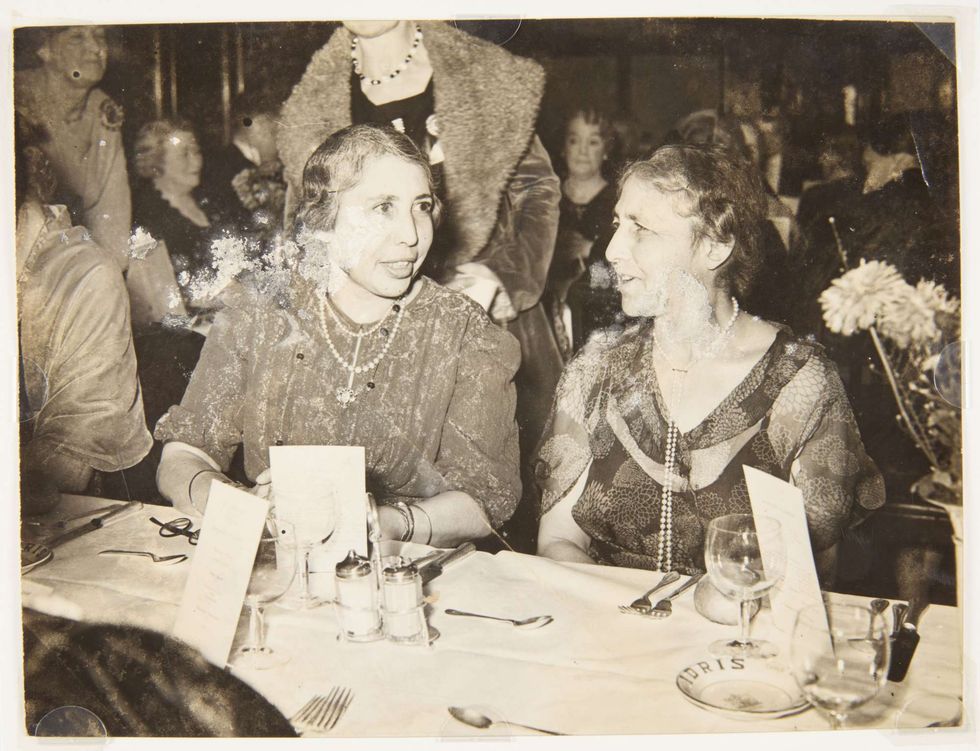 Sophia at a suffrage dinnerClaire Collins
“Everything in the book is from actual documents from archives or directly from Duleep Singh’s personal papers which I obtained,” the author said. “While I have written in depth about his life in my previous books, it is Maharaja Duleep Singh’s life in England that I have really elaborated on in this book – especially at Elveden (in the East Anglia region of England) and in Scotland, where he had a number of estates.
“It covers his sporting life, his personal issues and financial difficulties ... everything from official documents, so there’s no hearsay or myths,” he said.
Duleep Singh, the son and heir of Maharaja Ranjit Singh, was exiled to England as a teenager in 1854.
Bance has documented his history ever since a chance visit to the Duleep Singh’s grave at a churchyard in Elveden, Suffolk, as a young student.
“For the Indian diaspora, we can relate to this family because it was one of the first Punjabi/Indian families of mixed race, and they kept to their Punjabi roots. Although they were very religious, churchgoing Christians, they never forgot their roots and made immense contributions to life in the UK – just as the Indian community continues to do today,” he said. His historic collection on Duleep Singh has been on permanent display at a museum in Thetford, Norfolk, for a few years now.
Last weekend, the collection marked a major new milestone when it was unveiled as part of a new permanent Duleep Singh Gallery at the museum.
Meanwhile, the items on display at Kensington Palace are expected to travel to Canada for an exhibition after the UK run ends in November.