
Korean dramas have been garnering a huge viewership in many parts of the world. The new JTBC K-Drama King the Land, which features Junho and YoonA in leading roles, has also received love from various quarters, but a certain section of the audience has now reacted negatively to the seventh episode of the hit series.
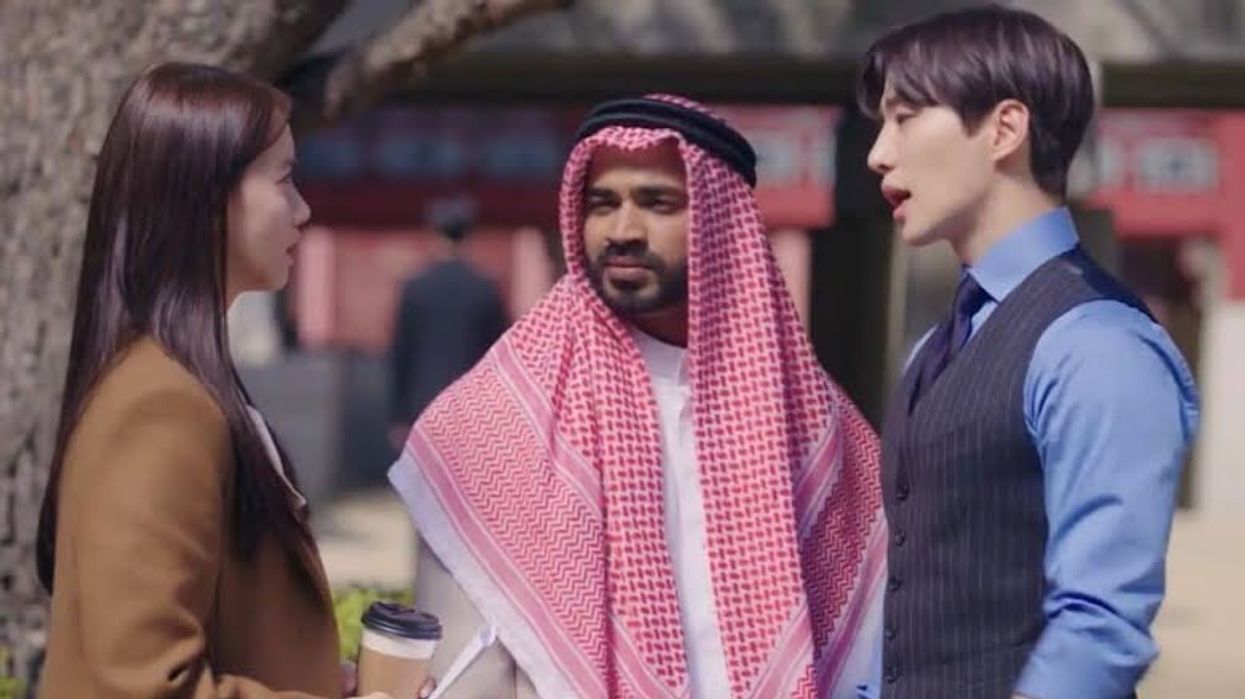
The seventh episode of King the Land introduces a new character, Prince Samir, played by Anupam Tripathi. For those not in the know, Tripathi rose to fame with his well-received performance in Netflix’s Squid Game, which is currently in production for its second season. Many people are angry with the way the Arab Prince was shown in the said episode.
While fans are upset with the fact that an Indian actor has been cast to represent a person from the Arab community, their disdain is further fuelled by the misrepresentation and problematic portrayal of the character. It came across as “insulting” to Arab people that Prince Samir appeared obsessed with alcohol and women. Here’s how they are reacting to the same:
“King the Land was that cheesy summer K-drama we all needed until they portrayed Arabs in their latest episode in the most ridiculous, offensive way ever like it’s 2023; it’s not hard to SEARCH about other cultures before using them in a show," a user wrote.
They brought an Indian actor, put him in Arab traditional clothes, and make him act as if he’s uneducated and obsessed with alcohol and girls… this is extremely disrespectful and offensive. We need an apology.#JTBCAPOLOGIZE#KingTheLandEp7#KingTheLand
— رين (@areayiein) July 9, 2023
Viewers requested an apology from JTBC. The production team released a statement via SPOTV News in response, saying, “All characters, areas, and nominations that appear in the drama are works of fiction. We never specified the prince’s country of origin.”
Directed by Im Hyun-wook, King the Land is currently streaming on Netflix.

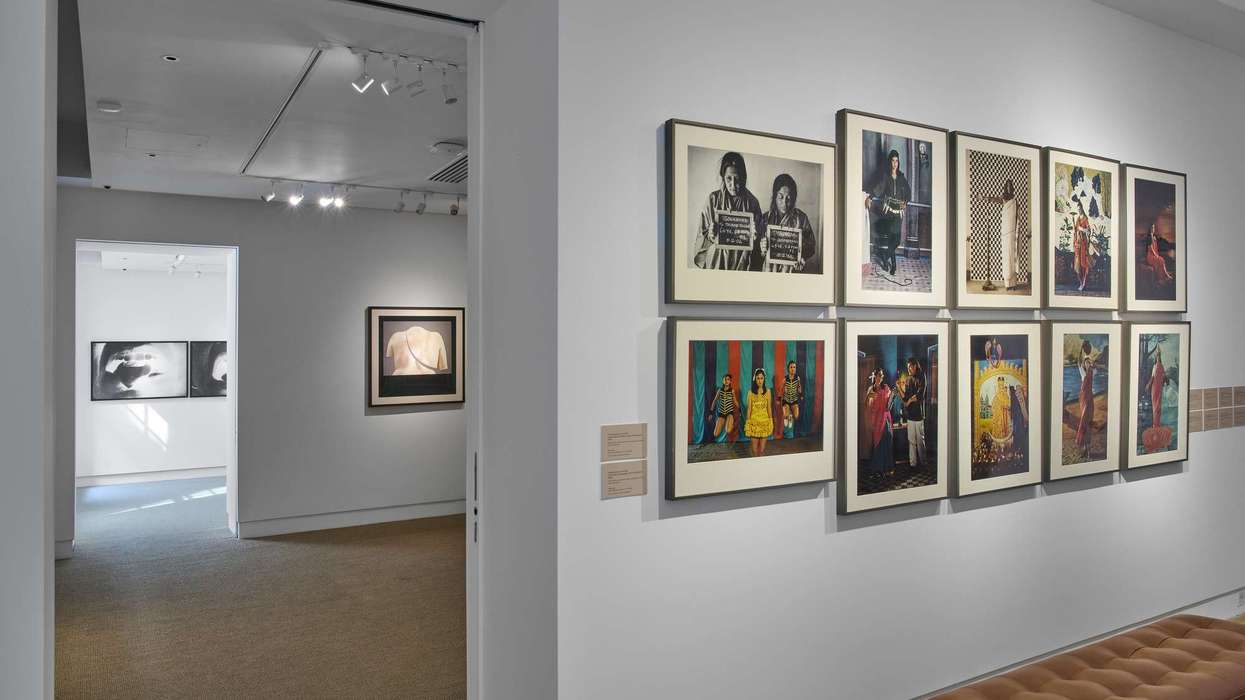
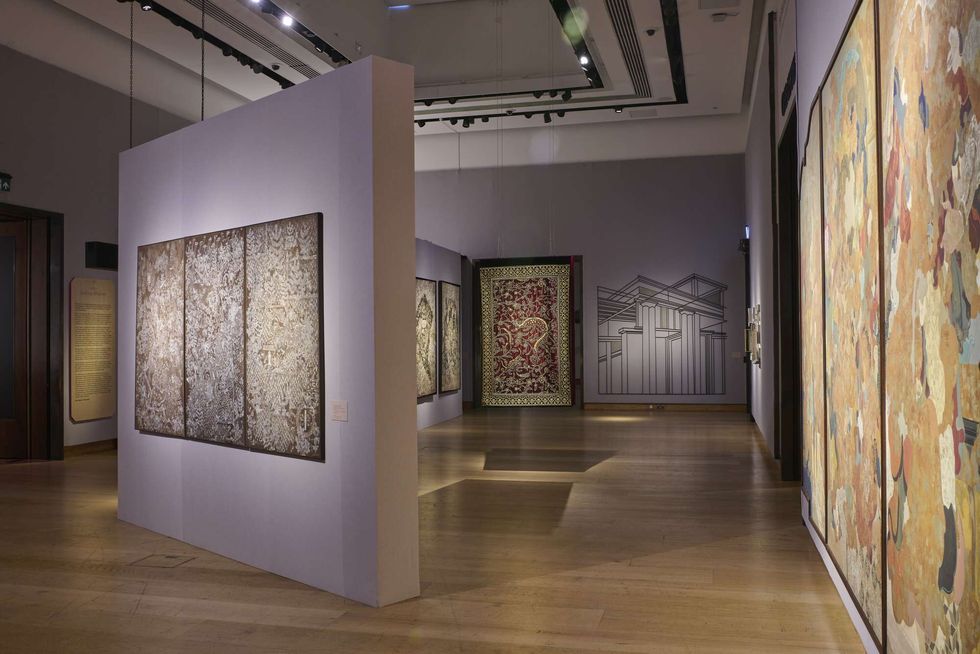 The Meeting Ground scenes from the KNMA CollectionChristie/KNMA
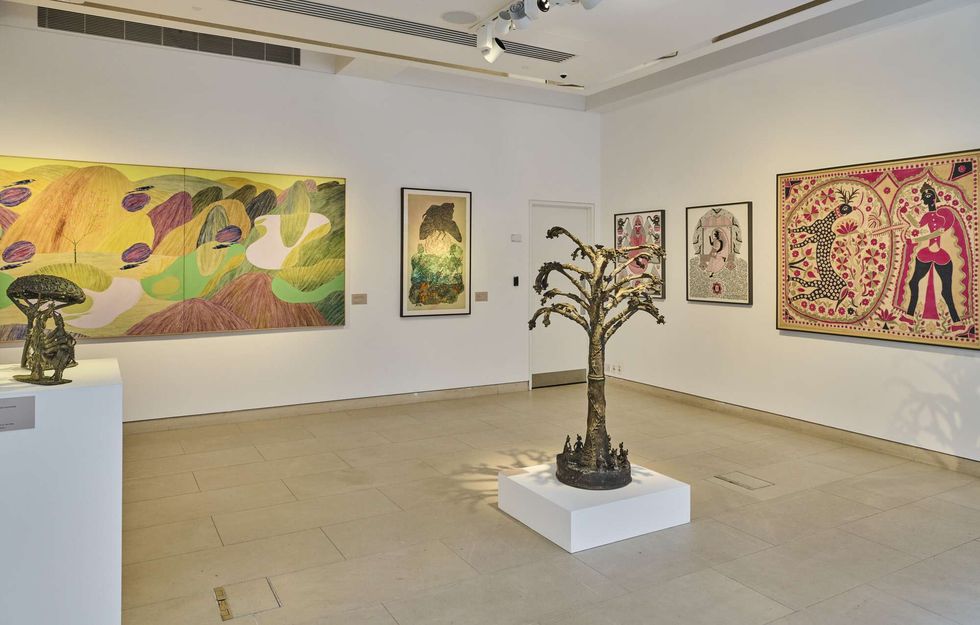 The Meeting Ground Scenes from the KNMA CollectionChristie/KNMA
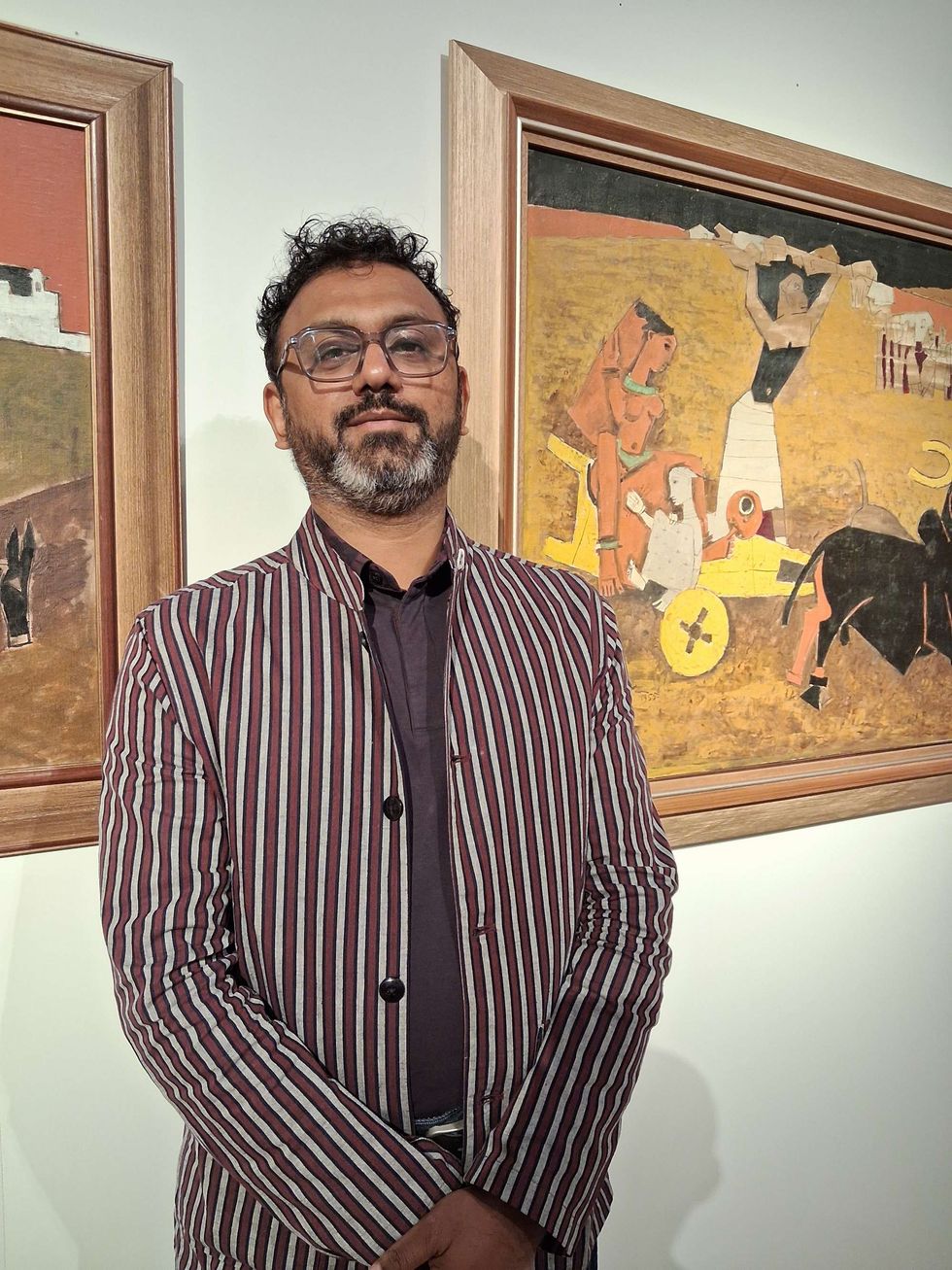 Premjish AchariAmit Roy
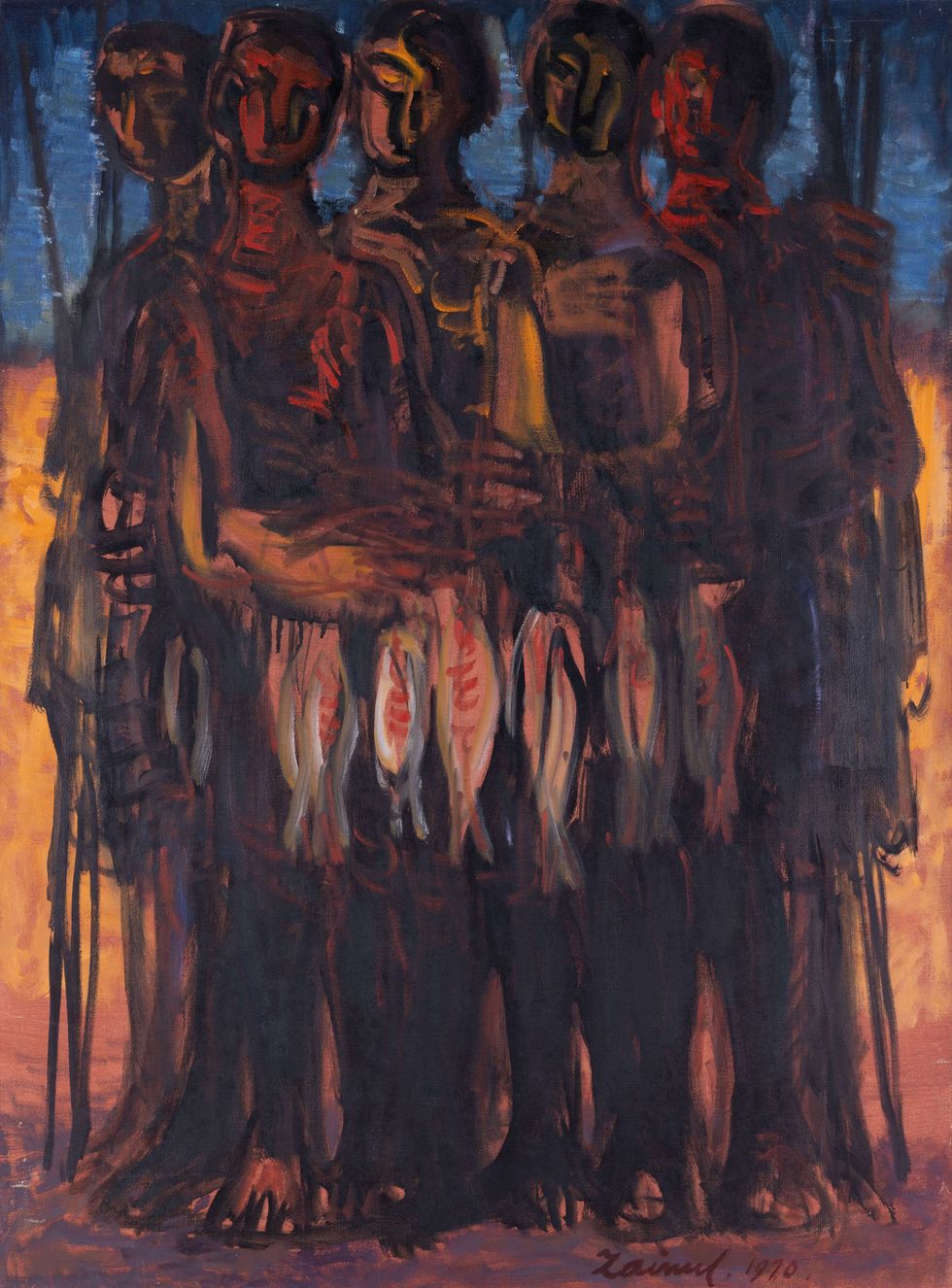 Fishermen by Zainul AbedinKNMA
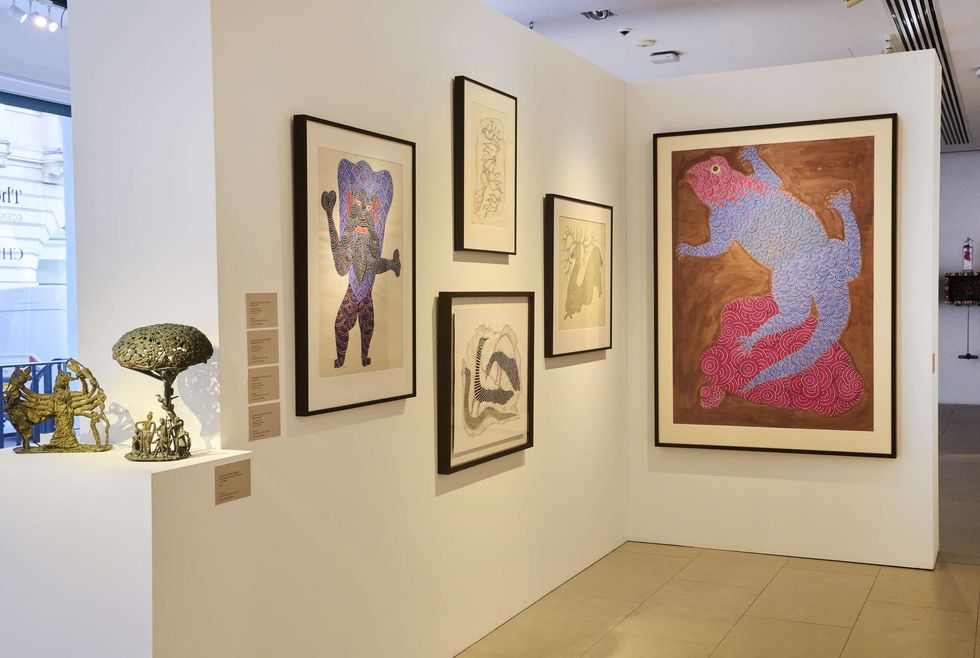 The Meeting Ground Scenes from the KNMA CollectionChristie/KNMA
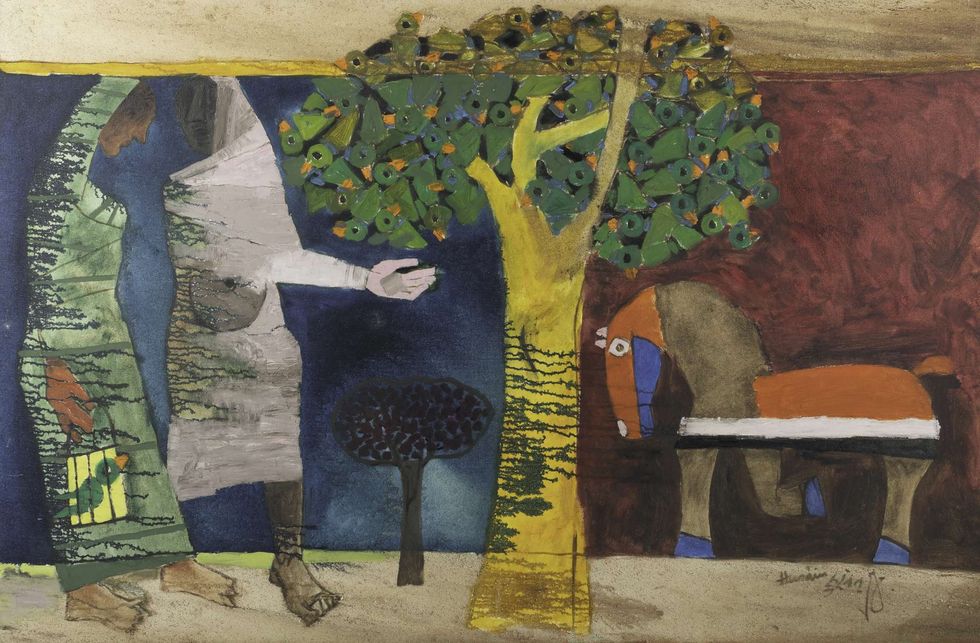 Birds in a Tree by MF HusainKNMA
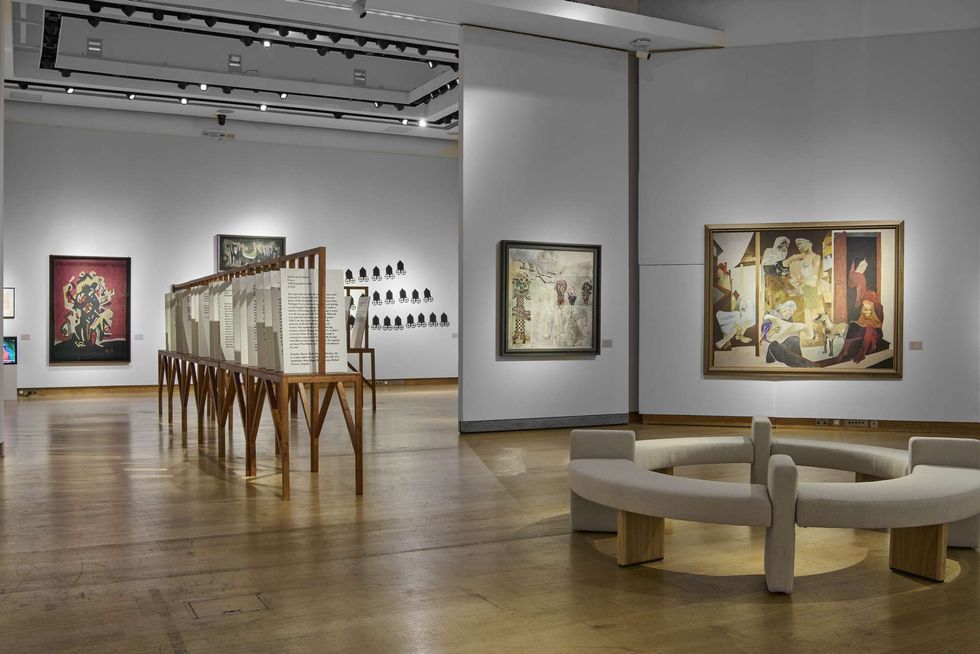 The Meeting Ground scenes from the KNMA CollectionChristie/KNMA
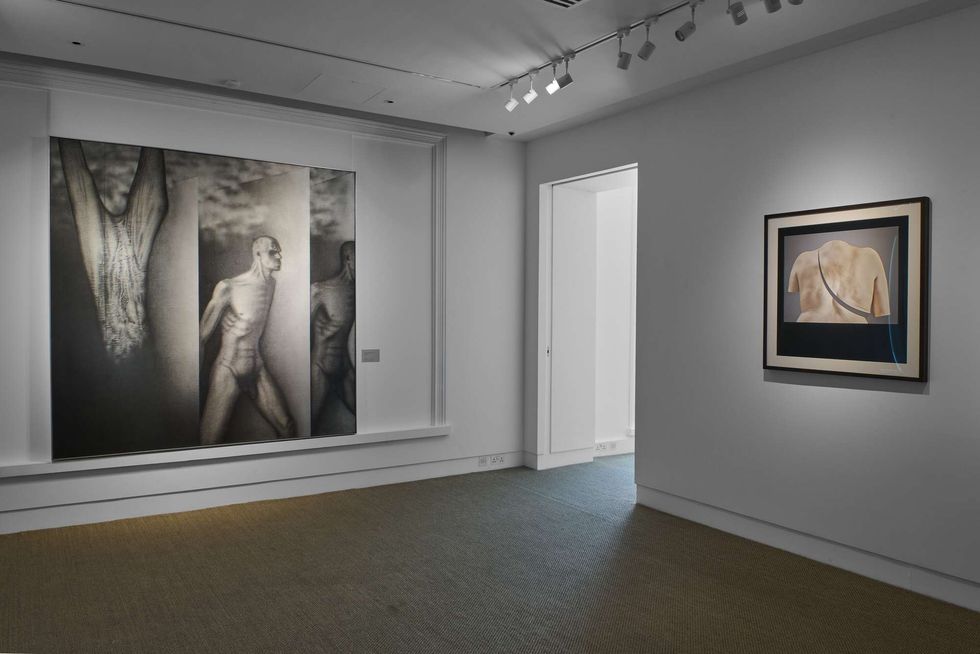 The Meeting Ground scenes from the KNMA CollectionChristie/KNMA
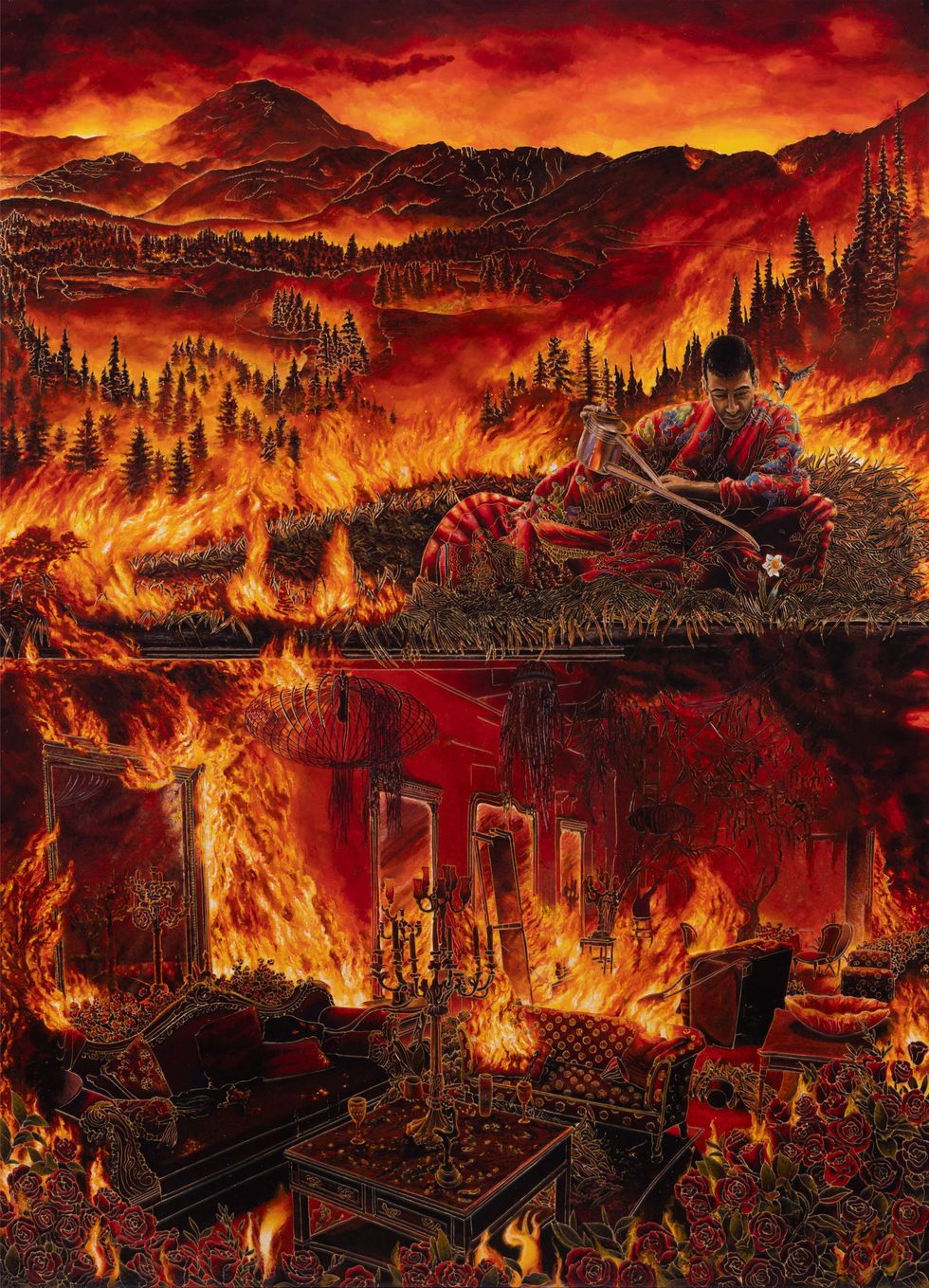 When the Thing with Feathers Turned Red by Raquib ShawKNMA
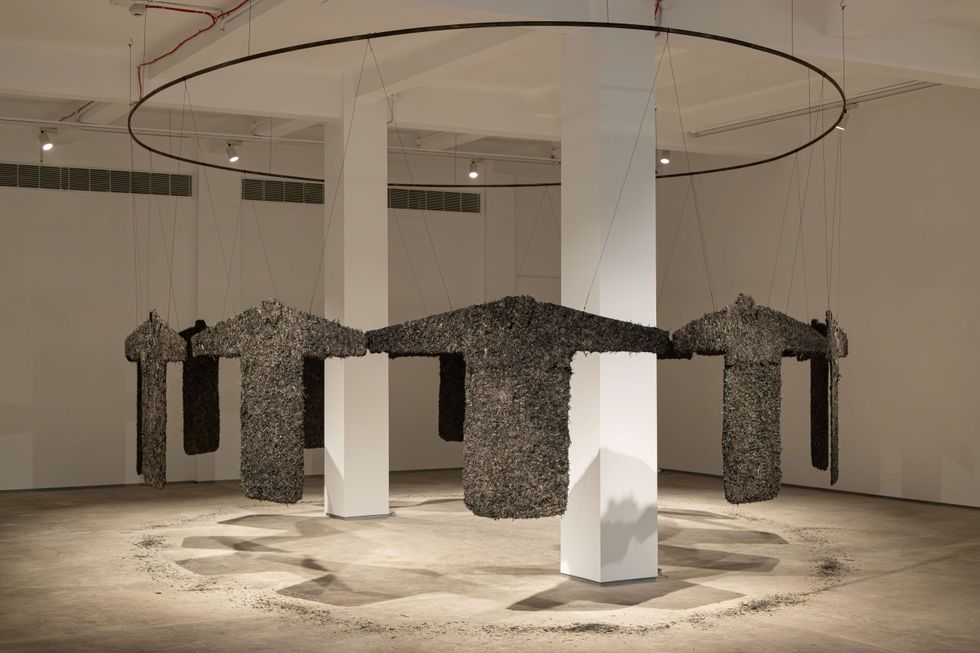 Indelible Black Marks by Kulpreet SinghKNMA
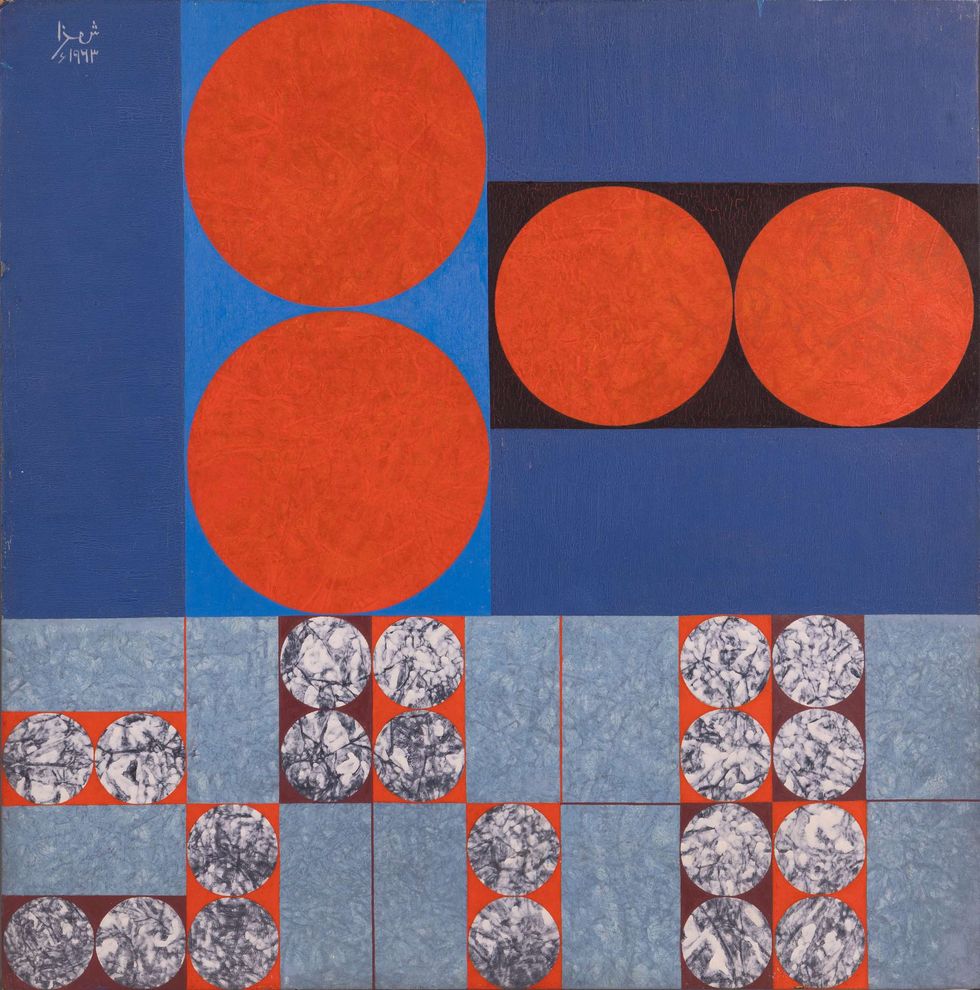 Square Composition II by Anwar Jalal ShemzaKNMA
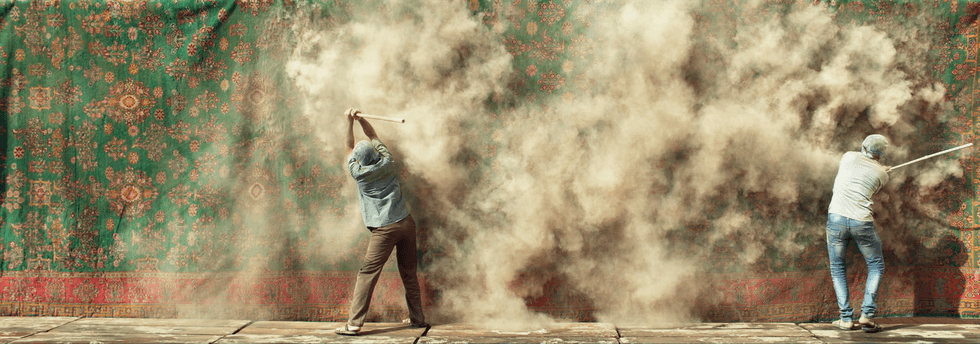 Interference by LN TallurJunagadh Museum, Gujarat, Varia Kiran(Videography), Vandita Jain (Sound Engineer) andBhanu Pratap Singh.
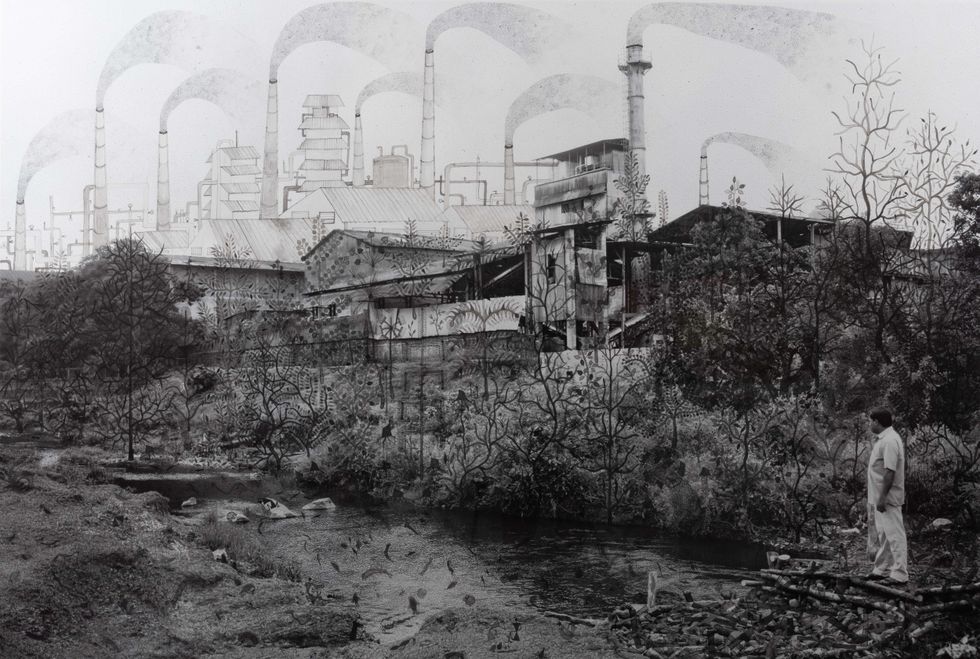 Factory and River II by Gauri Gill and Rajesh VangadKNMA
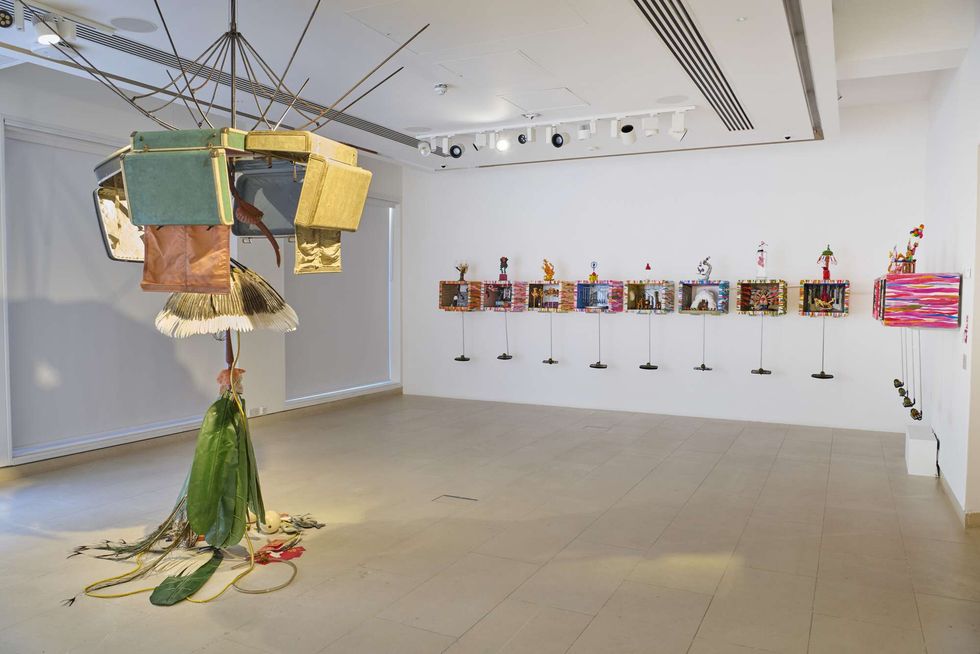 The Meeting Ground Scenes from the KNMA CollectionChristie/KNMA