
Highlights:
- February 2017: Actress abducted and sexually assaulted; case reported the next day.
- Legal journey: Trial ran nearly nine years, with witnesses turning hostile and evidence disputes.
- Verdict: Six accused convicted; actor Dileep acquitted of conspiracy in December 2025.
- Industry impact: Led to WCC, Hema Committee report, and exposure of systemic harassment.
- Aftermath: Protests, public backlash, and survivor’s statement questioning justice and equality.
You arrive in Kochi, and it feels like the sea air makes everything slightly sharper; faces in the city look purposeful, a film poster peels at the corner of a wall. In a city that has cradled a thriving film industry for decades, a single crime on the night of 17 February 2017 ruptured the ordinary: an abduction, a recorded sexual assault and a survivor who reported it the next day. What happened next is every woman’s unspoken nightmare, weaponised into brutal reality. It was a public unpeeling of an industry’s power structures, a slow-motion fight over evidence and testimony, and a national debate about how institutions protect (or fail) women.
For over eight years, her fight for justice became a mirror held up to an entire industry and a society. It was a journey from the dark confines of that car to the glaring lights of a courtroom, from being a silenced victim to becoming a defiant survivor whose voice sparked a revolution. This is not just the story of a crime. It is the story of what happens when one woman says, "Enough," and the tremors that follow.
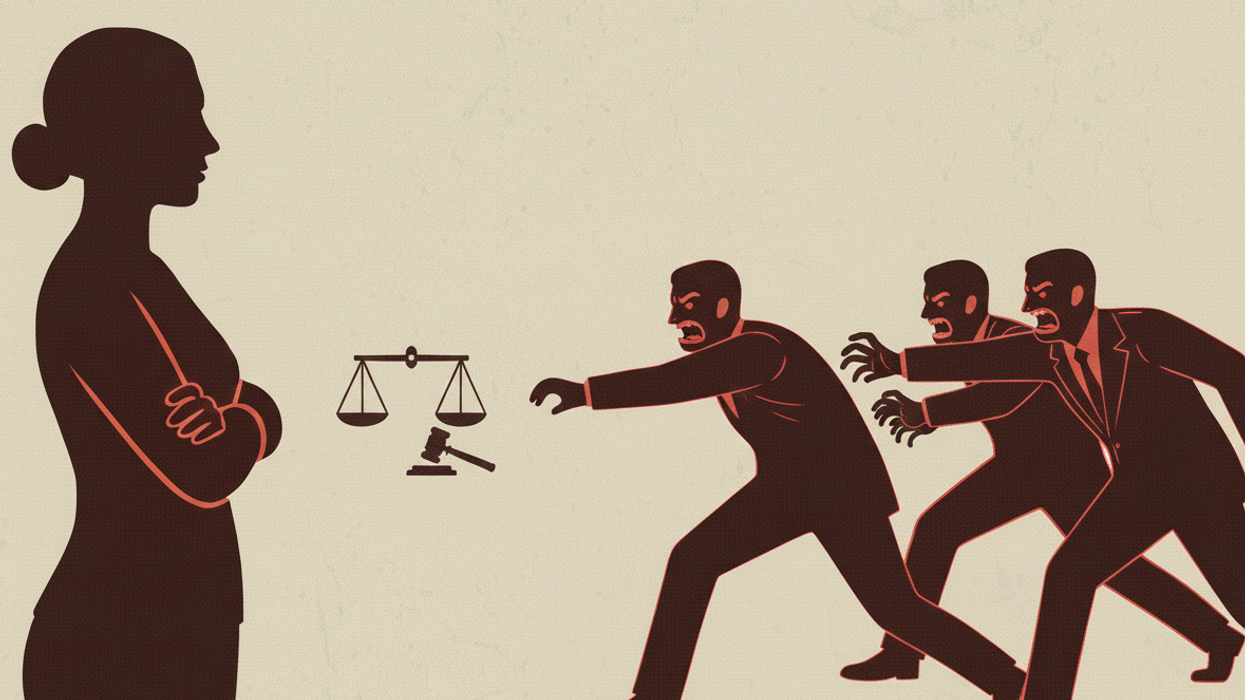
 Inside the Kerala actress assault case and the reckoning it triggered in Malayalam cinema AI Generated
A timeline of trauma and turmoil
February 17, 2017: A night that shattered illusions
On a February evening in Kochi, a prominent Malayalam actress was travelling from Thrissur to Kochi when her car was deliberately rammed, simulating an accident. What followed was a premeditated nightmare. She was forcibly taken captive in her own vehicle, sexually assaulted by a gang of men, and the entire horrific act was recorded on video. The horrifying ordeal inside the moving car finally ended at the home of actor and director Lal, where the traumatised survivor was dropped off. The following day, on 18 February 2017, she filed a formal police complaint, setting the judicial process in motion.
The response from investigators was swift. Within hours of the complaint, Martin Antony, the driver of her car that night, was arrested. The net widened quickly. Vadival Salim and Pradeep were taken into custody on 19 February, and Manikandan was arrested the next day. The hunt for the alleged ringleader, however, caught public attention. Sunil N.S., known as "Pulsar Suni," was dramatically arrested on 23 February after arriving on a motorcycle to surrender at a court in Ernakulam.
The initial police investigation, detailed in the first chargesheet of April 2017, concluded that the first six accused had planned the abduction to extort money by threatening to circulate the assault footage. The survivor's statement to police contained a chilling detail: she reported that Suni told her the crime was carried out on a "quotation" (a contract) given by a woman, and that the recorded visuals would be handed over to those who placed the order. This early claim about a female instigator, which the court later noted was not properly investigated, became a point of significant contention as the case evolved.

The arrest that shook the foundation
The case exploded from a criminal investigation into an industry-wide earthquake in July 2017, when a letter from prime accused Pulsar Suni implicated one of Mollywood's biggest stars. Actor-producer Dileep was arrested on 10 July, accused of being the mastermind who orchestrated the attack due to a personal issue. His immediate expulsion from industry bodies like AMMA and his 85-day jail stay before bail signalled a painful rift, forcing the close-knit film fraternity to choose sides.
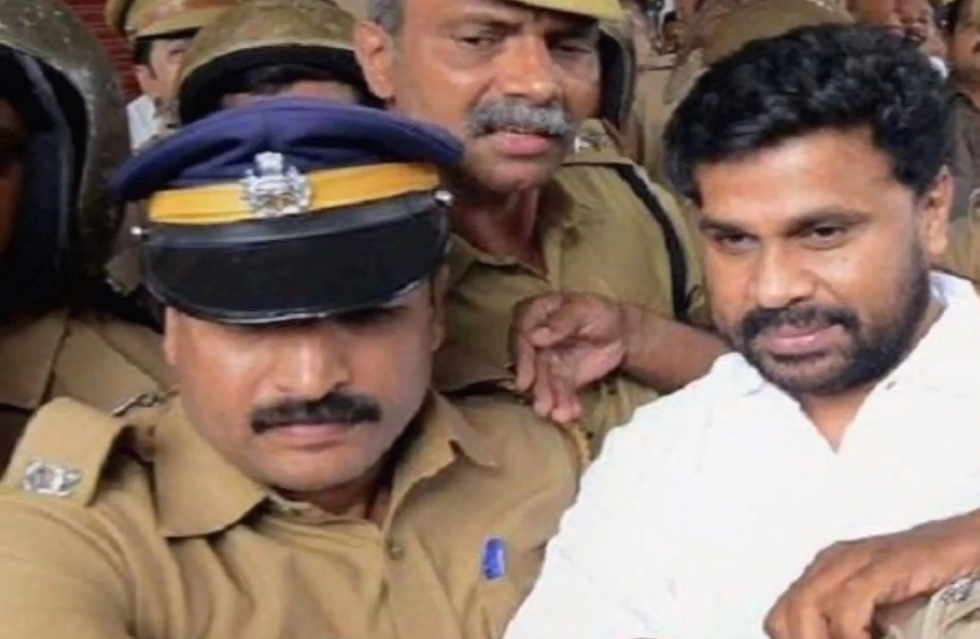 Actor-producer Dileep was arrested on 10 JulyYoutube Screengrab/Kerala Kaumudi
The Hema Committee: Exposing the systemic rot
The 2017 assault was not an isolated incident but a small part of a deep, festering problem. In its wake, the Kerala government formed a committee led by retired Justice K. Hema to investigate the workplace conditions for women in Malayalam cinema.
Its 2019 report, which was suppressed for nearly five years before a redacted version was released in 2024, painted a horrifying picture. It described an industry dominated by an "all-male power group" of about 15 top actors, producers, and directors who controlled casting and careers. The report stated that "sexual harassment of women is rampant," with men making open demands for sex as if it were a "birthright," and women facing an unofficial blacklist if they refused.
Beyond harassment, the committee documented abysmal basic working conditions: a lack of toilets and changing rooms, no guaranteed food or water, and poor pay for junior artists. The findings were a stark validation of everything the WCC had been saying since 2017.
May 2017: A collective voice emerges
The brutal assault was a public crime, but the survivor's fight felt like a private, lonely battle against a powerful system. Then, in May 2017, a quiet revolution began. Eighteen women, actors like Rima Kallingal, Parvathy Thiruvothu, and Manju Warrier, alongside directors and technicians came together, not just in solidarity, but in formal, determined protest. In a decisive move, they walked into the Chief Minister's office not as individual artists seeking favours, but as a united front presenting a formal memorandum. This collective act of solidarity forced the issue into the political arena, leading directly to the formation of the Justice Hema Committee. What began as a private ordeal was now a powerful, public call for change.
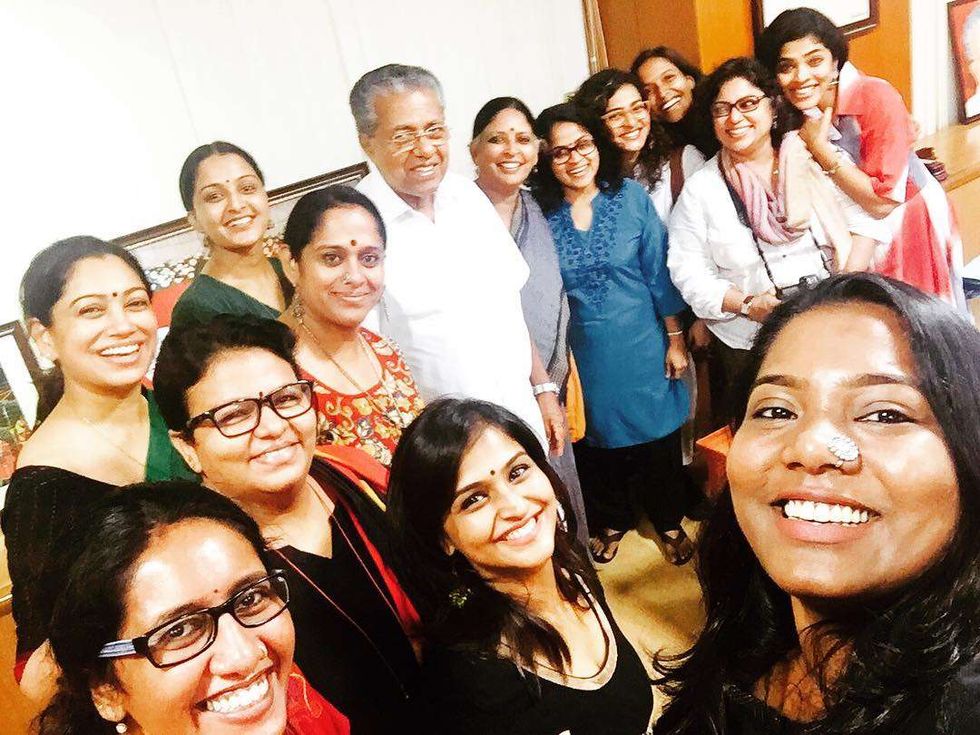 Members of the Women in Cinema Collective (WCC) meeting with the Chief Minister of KeralaInstagram/wcc_cinema
A whistleblower breaks the silence
Just as the trial seemed to be losing momentum, a crucial new witness emerged. Filmmaker P. Balachandrakumar came forward in late 2021, alleging he had personally seen Dileep review the assault video. He claimed Dileep spoke of enhancing the audio to identify the actress's pleas. Balachandrakumar's testimony, and leaked audio clips he provided, became the prosecution's most explosive evidence, alleging a deep conspiracy to intimidate witnesses and undermine the trial.
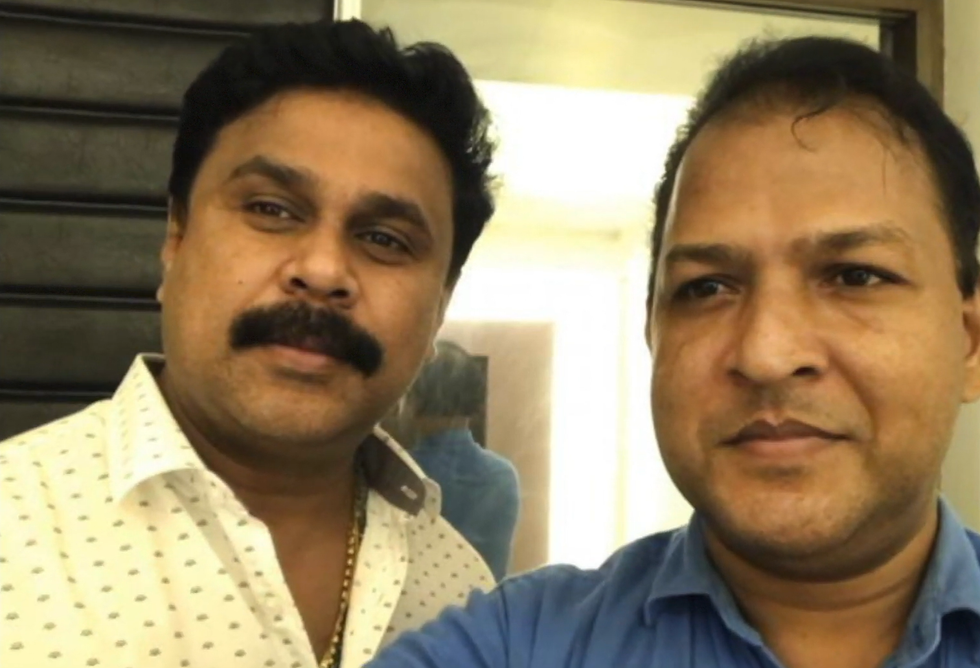 Actor Dileep and whistleblower Balachandra Kumar, whose testimony and disclosures played a crucial role in advancing the investigation Youtube Screengrab/Kerala Kaumudi
The ripple effect: An industry forced to change
The survivor’s courage and the Hema Committee’s revelations acted as a catalyst, creating waves of change that went above the courtroom.
- Birth of a collective & solidarity: The WCC became India’s first formal, female-led collective within a film industry, advocating for safe workspaces and gender equality. Campaigns like #Avalkoppam (We Stand With Her) mobilised public and industry support for the survivor.
- #MeToo erupts in Mollywood: The report’s release in 2024 was a watershed. Over 30 women came forward with allegations against powerful figures, including actors Siddique, Mukesh, and director Ranjith Balakrishnan, who resigned from his post at the Kerala State Chalachitra Academy. The entire executive committee of the powerful Association of Malayalam Movie Artists (AMMA), including superstar-president Mohanlal, resigned en masse.
- Policy and reform: The government formed a Special Investigation Team (SIT) to probe new allegations. The conversation shifted to tangible reforms, with discussions at government conclaves focusing on creating Internal Complaints Committees on sets, ensuring maternity benefits, and defining working hours according to labour laws.
The legal labyrinth: A chilling courtroom battle
The trial itself was a gruelling marathon with challenges that the survivor publicly called out.
The "hostile witness" phenomenon: In a major blow to the prosecution, 28 witnesses turned hostile, including fellow actors who initially supported the case. This mass reversal raised serious questions about influence and fear within a tight-knit industry.
Allegations of bias and evidence tampering: The survivor lost faith in the trial court as early as 2020. She revealed that two public prosecutors resigned, telling her directly not to expect justice from that court due to a hostile environment. Most chillingly, a forensic probe found that the key memory card containing the assault video had been illegally accessed three times while in court custody.
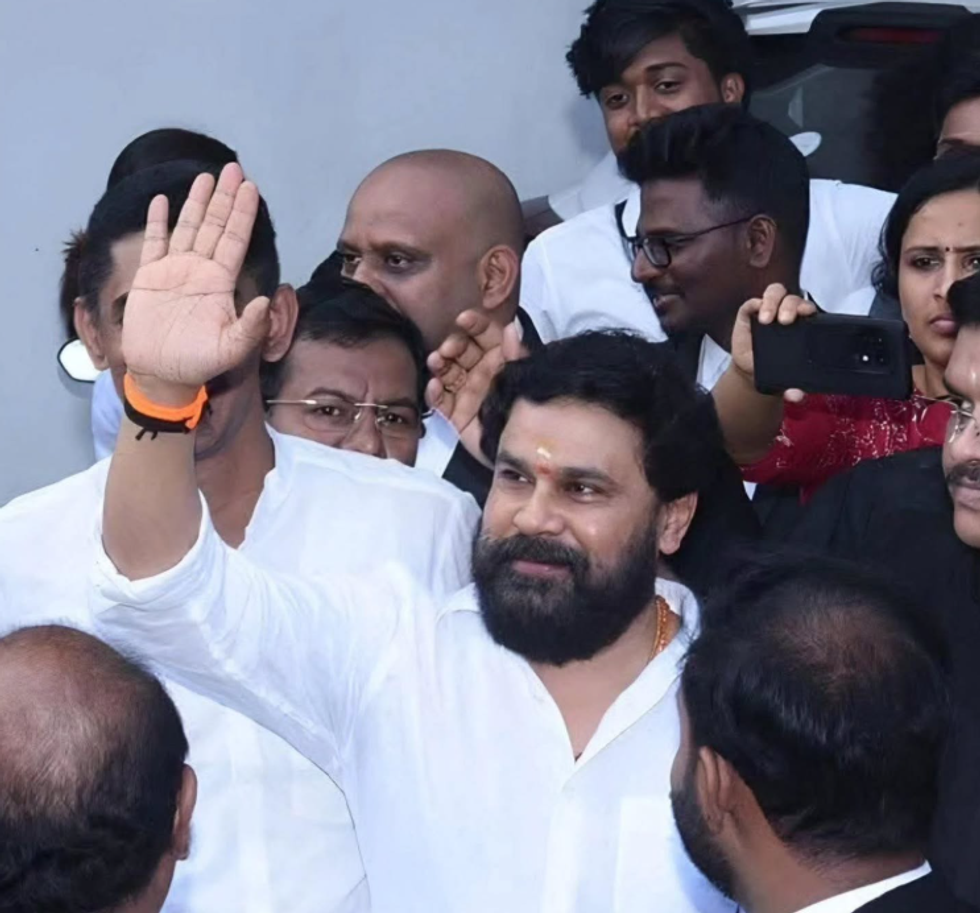 Dileep coming out of the court after the verdict Instagram/dileep_fans_kerala__
December 2025: A landmark verdict and the backlash that followed
On 8 December 2025, the Ernakulam Principal District and Sessions Court delivered its judgment after a trial spanning eight years and involving over 260 witnesses. The verdict was split, reflecting the two narratives that had long defined the case.
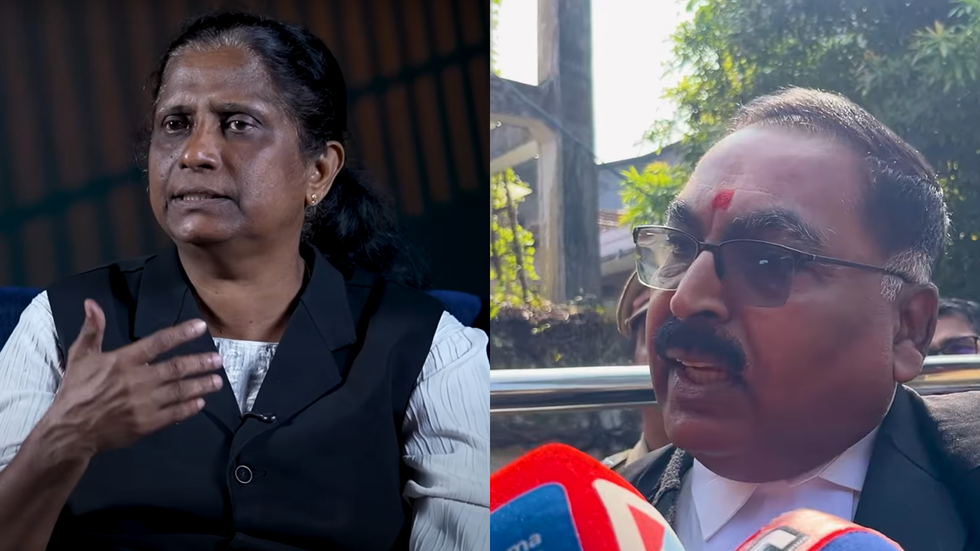 Advocates T. B. Mini and Aja Kumar, representing the survivor in the Kerala actress assault caseYoutube Screengrabs/ Oneindia Malayalam
The court convicted six men including Pulsar Suni, Martin Antony, B. Manikandan, V.P. Vijeesh, H. Salim, and Pradeep, for the direct abduction, confinement, and gang rape of the actress in February 2017. Four days later, on 12 December, they were each sentenced to 20 years of rigorous imprisonment.
However, Judge Honey M. Varghese acquitted actor Dileep, along with two others, of criminal conspiracy and evidence-tampering charges. The judge ruled that the prosecution had failed to prove the conspiracy "beyond reasonable doubt" and stated, "no amount of suspicion can substitute for evidence". After his acquittal, Dileep claimed he was the victim of a conspiracy to destroy his career and life.
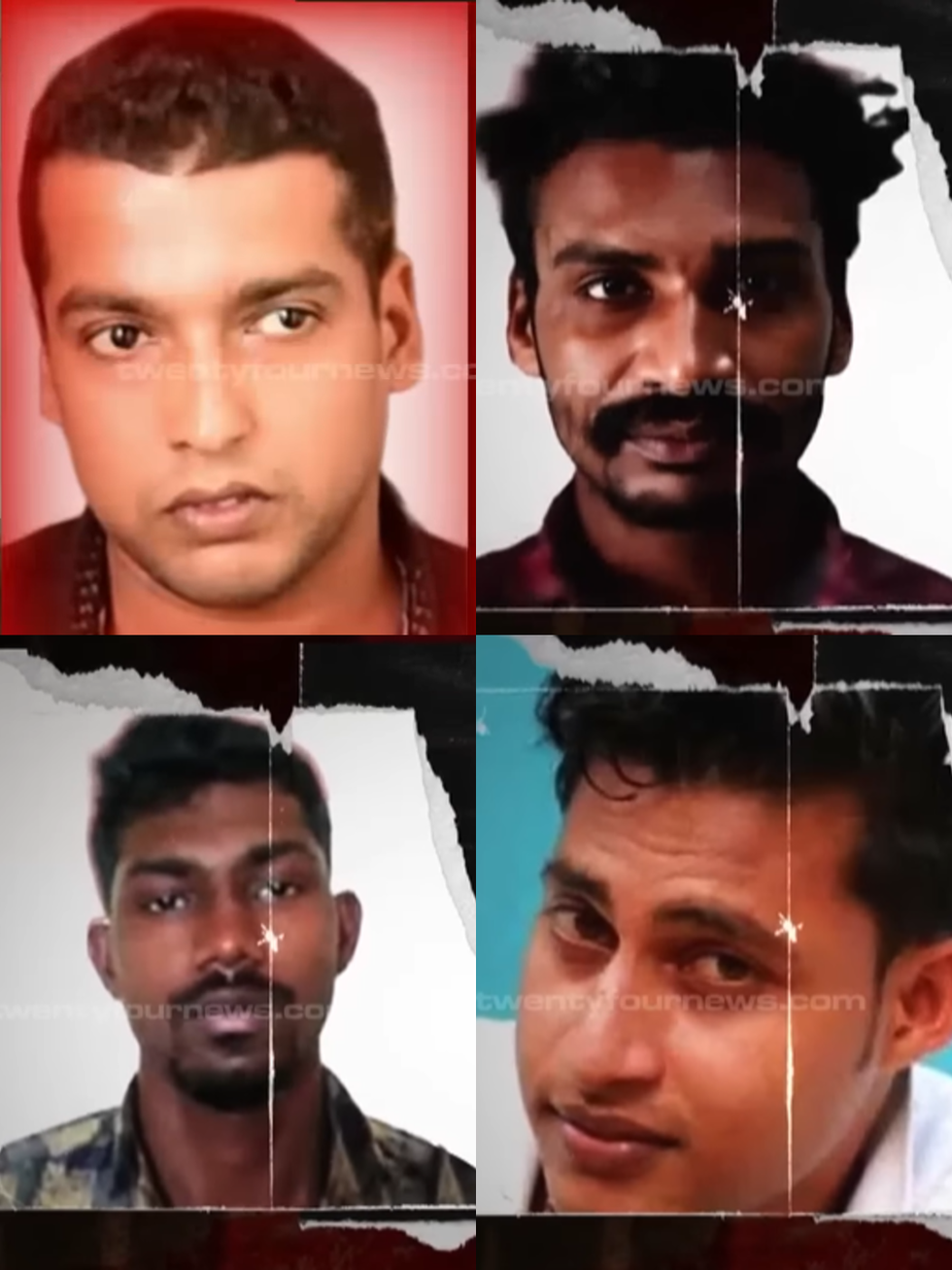 Four of the six convicted accused in the Kerala actress assault case Youtube Screengrabs/ 24 News
The backlash in detail
WCC and many film-industry personalities expressed solidarity with the survivor and disappointment at the acquittal of the high-profile accused. Other segments of public opinion emphasised the court’s reasoning that suspicion is not a substitute for proof.
In December 2025, days after the controversial verdict, the International Film Festival of Kerala (IFFK) became a platform for a powerful solidarity protest. Named ‘Avalkoppam’ (We Stand With Her), the event saw film personalities and activists gather at the Tagore Theatre to reject the court’s decision and demand systemic change for women’s safety.
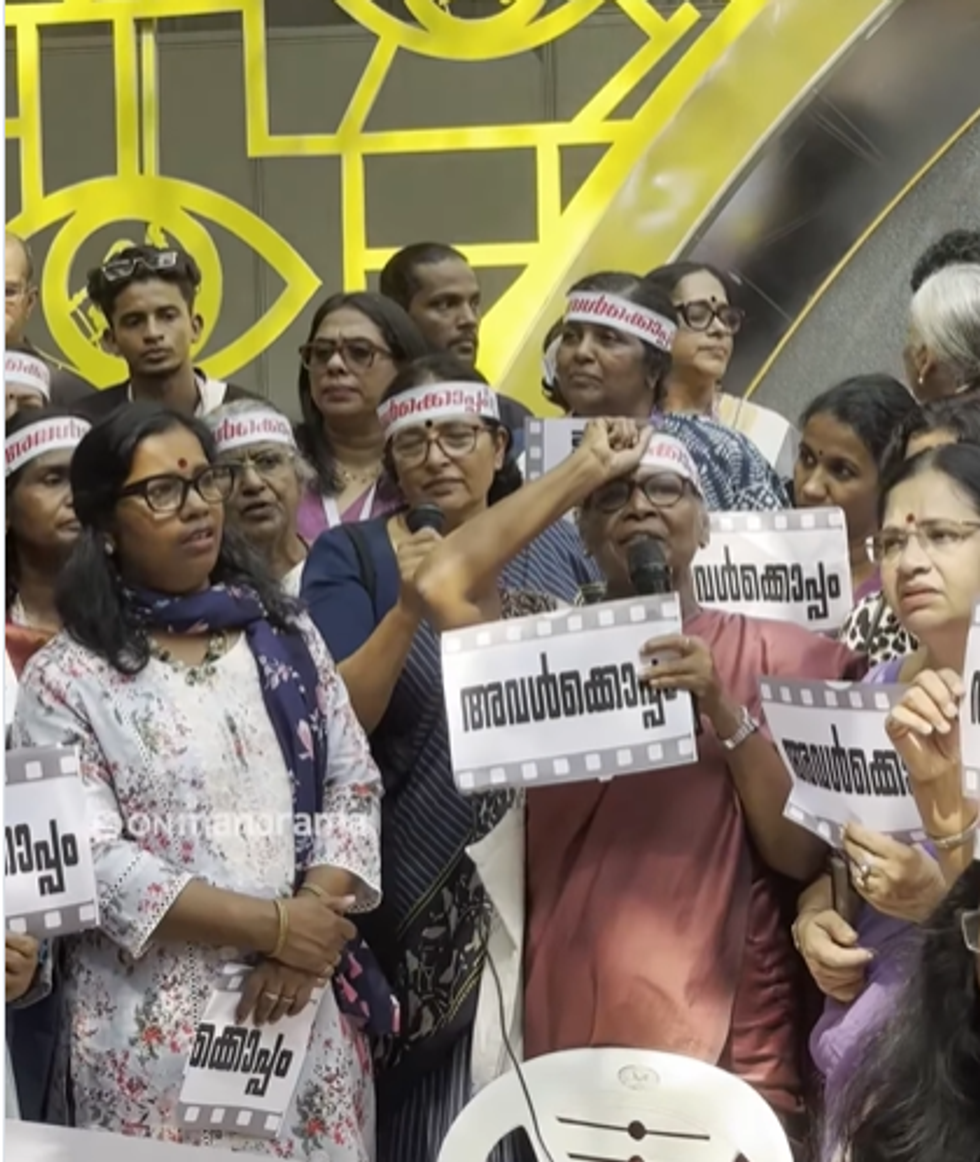 Film personalities and activists gather at the Tagore Theatre to reject the court\u2019s decision and demand systemic change for women\u2019s safety Instagram Screengrab/onmanorama
The protest was profoundly amplified by the appearance of Sheeba, the wife of the late whistleblower Balachandrakumar, who stated her husband knew the survivor would not get justice from that court.
Online, the digital sphere became a battleground. While the survivor-supporting hashtag #Avalkoppam saw renewed support, a rival hashtag, #Ayalkkoppam ("We stand with him"), was created by Dileep's supporters. Social media discussions polarised around themes of "the power of money" versus "justice finally served". Some of Dileep's fans celebrated his "comeback," eagerly discussing his upcoming films.
A group of women passengers on a state-run bus openly objected to the in-transit screening of a Dileep film shortly after the verdict, leading to it being halted.
A defiant voice: The survivor's post-verdict statement
Days after the verdict, the survivor broke her silence with a powerful statement on Instagram. She expressed gratitude for the six convictions but stated the outcome "did not surprise" her.
Her post was a raw indictment of the process, detailing her failed attempts to change the court, the resigned prosecutors, and the mishandled evidence. Her concluding words resonated far beyond her case: "NOT EVERY CITIZEN IN THIS COUNTRY IS TREATED EQUALLY BEFORE THE LAW. My fundamental rights were not protected".
The unfinished legacy
The 2017 assault case transcended a criminal trial. It became a watershed moment for gender justice in India. It proved that one person’s resilience could shatter a culture of silence, empower a collective voice, and force powerful institutions to at least pretend accountability.
While the legal verdict felt incomplete to many, the social and cultural verdict is still unfolding. The industry’s "old guard" may be manoeuvring for a return to normalcy, with pressure mounting on bodies like AMMA to reinstate Dileep. But as WCC co-founder Bina Paul asserts, "There is no going back from this". The questions have been asked, the rot has been exposed, and an entire generation has learned that silence is no longer the only option.
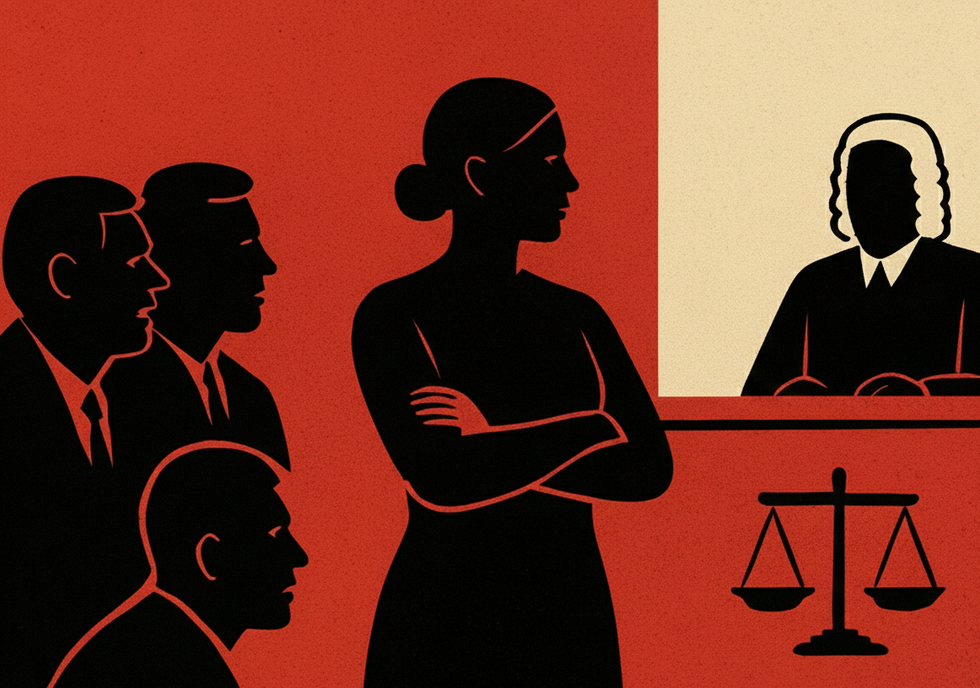 How one survivor’s fight shook an entire industryAI Generated
The road that began on a dark Kerala night is long, and its final destination remains unseen. But the journey itself has irrevocably changed the landscape.