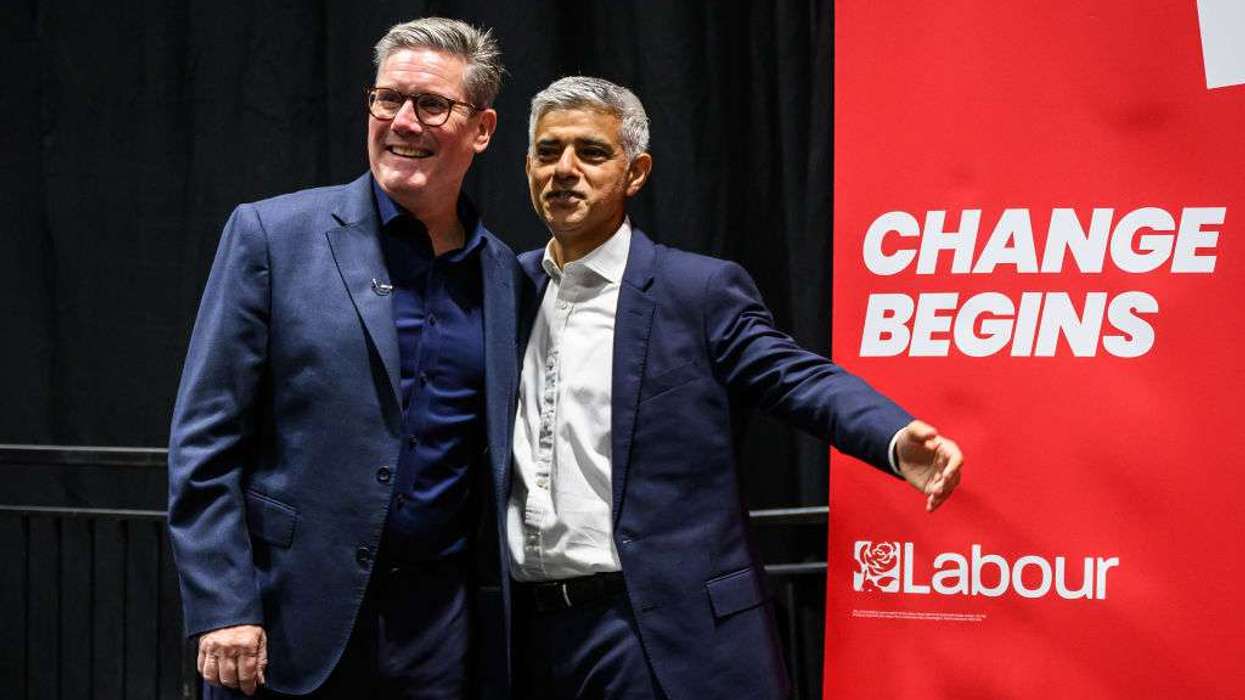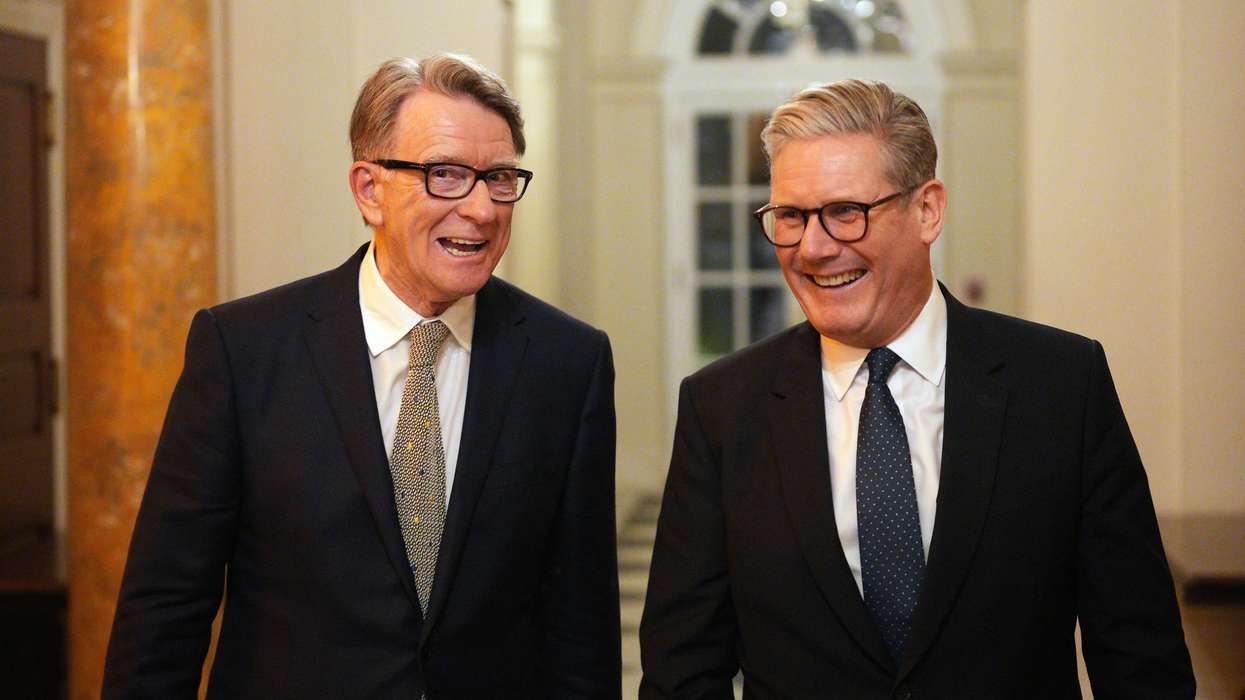

Prime minister Sir Keir Starmer wanted to give a significant speech about the state of the nation last week. Yet he had to preface it with a lengthy account of his anger at Peter Mandelson and his own regret for hiring him as ambassador to Washington. That was almost the only thing the prime minister was asked about afterwards. Few will know that Starmer’s substantive theme was community cohesion and the essential missing foundations which successive governments have neglected. “Our ‘social contract’ is currently nowhere near strong enough to weather the storms of this world,” the prime minister argued. But it is the fragility of Starmer’s own premiership – and whether the storm damage it has suffered will prove fatal – which now dominates British politics.
Starmer’s chief of staff, Morgan McSweeney, quit Downing Street on Sunday (8). But there were no immediate moves to try to end Starmer’s own leadership, such as Cabinet resignations, nor backbench ‘stalking horse’ candidates taking an overt leadership challenge public. McSweeney’s resignation fell 90 days before the Scottish, Welsh and local election results on May 8. Despite leadership speculation being at fever pitch, Starmer appears likely to get three more months in office before any formal leadership move against him. Can the prime minister convince his cabinet and backbench colleagues that he can reconstruct his government sufficiently to postpone the question of whether his own leadership should come to an end, too?
Yet it may be difficult to catch a breath during that a fraught three-month period – with more Mandelson documents to be published, a by-election on February 26, chancellor Rachel Reeves’ budget in March, then the local election campaigns, which look set to deliver brutal results for Labour on many fronts, in May.
Most of the Westminster commentariat predict that Starmer will prove to be a caretaker prime minister on borrowed time. The bookmakers' odds imply he has only a one-in-five chance of surviving this year, too. That Starmer is the fifth prime minister in the decade since the 2016 EU referendum – an average tenure of two years in the Brexit era – hint at structural challenges for leaders today, not just failures of personality and performance.
Starmer’s allies in parliament see important arguments against changing leaders. It seems silly to threaten Labour MPs with being forced into an early general election when everybody can recall the Conservatives changing leader twice in the previous parliament without one. But Liz Truss and Rishi Sunak showed that is not necessarily a panacea for electoral woes. So warnings about the risks of change – looking like a divided, inward-looking party, spooking financial markets, an ever more volatile global politics – may prove more persuasive. But pitching Starmer as the stable choice will not be enough, without showing how his government’s Westminster operation and public voice can change, too.
Starmer’s allies also ask, who is the alternative? Former deputy prime minister Angela Rayner was damaged by her resignation over stamp duty. Health secretary Wes Streeting would need allies on the left of the party to make his case to the membership. Greater Manchester mayor, Andy Burnham, barred from the current by-election, has no clear route into parliament in time for any contest.
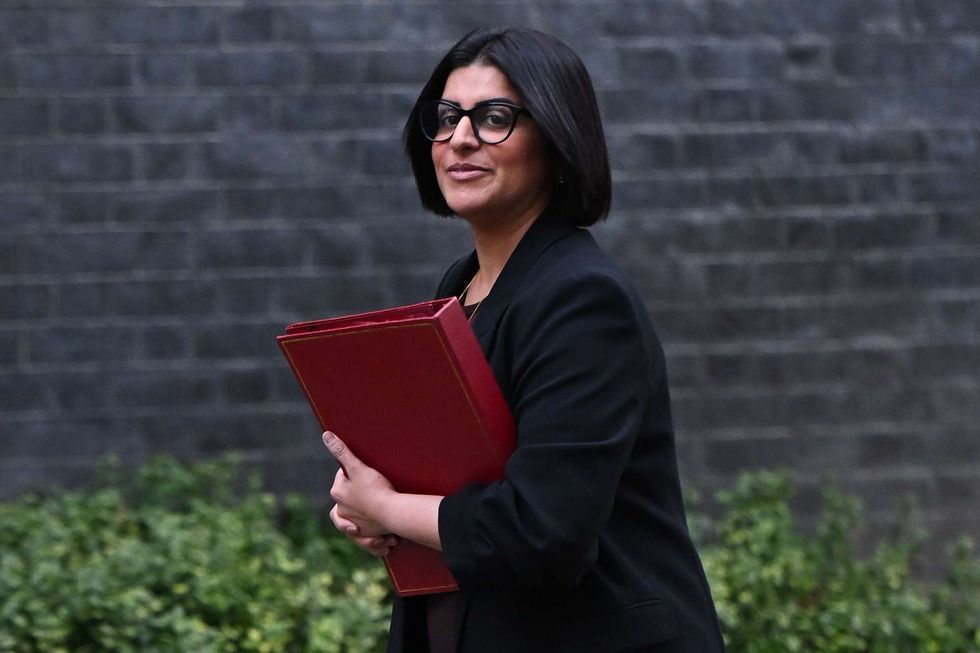 Shabana MahmoodGetty Images
Ed Miliband, the most popular cabinet minister with party members, says having been Labour leader previously offers much inoculation against wanting to do it again. Home secretary Shabana Mahmood – seen as a potential leading contender until the autumn – would now be unlikely to stand. Mahmood remains certain that taking such a tough line on asylum, immigration and settlement reforms is the right thing to do. Yet she appears to recognise that the unpopularity of her approach with the party membership would make her candidacy in a leadership contest unviable. Immigration is one area where Labour’s voice, political strategy and policies could come under pressure in any future contest.
How far would Starmer himself insist on fighting to the bitter end, in all circumstances? The prime minister contrasted his own motives for entering politics – public service – to those of Mandelson. Starmer only entered the Commons in his fifties. The centrality of Morgan McSweeney in shaping Starmer’s party project reflected not simply his comparative inexperience, but also his distaste for Westminster politics. The appeal of trying to carry on may diminish, if Starmer lacks the support to govern. It does not quite fall within the prime minister’s constitutional powers to reshuffle himself to the role of foreign secretary – but might Starmer be tempted if he could do that? Sunak’s appointment of David Cameron to the Foreign Office seemed an elegant solution to how much attention our volatile global politics demands, while the media and voters complain about time that leaders spend abroad. Were Starmer’s premiership to end, his successor might consider emulating that offer.
Questions of leadership that dominate Westminster may prove to be temporarily frozen in suspended animation in the weeks ahead. It may be a few months yet before we find out who governs Britain for the remaining three years of this parliament.