
ISRAEL carried out strikes across Iran on Thursday, hours after US President Donald Trump said Tehran wanted a deal to end the war, despite Iran’s top diplomat rejecting any talks with Washington.
The conflict, which began on February 28 with a joint US-Israeli attack, has expanded across the Middle East. It has affected energy markets and raised concerns about the global economy.
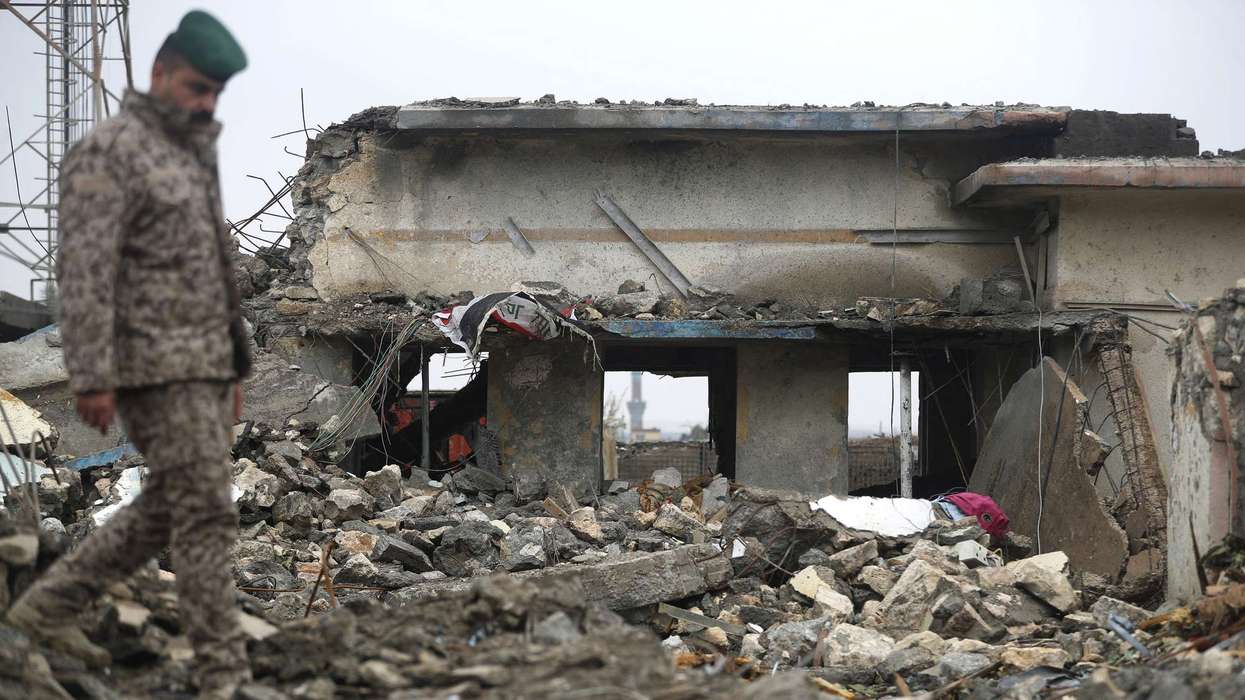
Iran was hit early Thursday by what the Israeli military called “a wide-scale wave of strikes targeting infrastructure”, including in the central city of Isfahan. In response, Iran launched missiles that triggered sirens across central Israel, including Tel Aviv and parts of Jerusalem. The Israeli military said this was the first such launch from Iran in more than 14 hours.
Trump said talks were ongoing but claimed Iranian officials were hiding them.
“They are negotiating, by the way, and they want to make a deal so badly,” he told a dinner for Republican members of Congress.
“But they're afraid to say it, because they figure they'll be killed by their own people,” he said. “They're also afraid they'll be killed by us.”
ALSO READ: Britain to 'host summit on reopening Strait of Hormuz'
Iran’s Foreign Minister Abbas Araghchi rejected this.
“We seek an end to the war on our own terms, of course, and in a way that it will not be repeated here again,” he told state TV.
“At present, our policy is the continuation of resistance,” Araghchi said. “We do not intend to negotiate — so far, no negotiations have taken place, and I believe our position is completely principled.”
“Speaking of negotiations now is an admission of defeat,” he said.
White House Press Secretary Karoline Leavitt said Trump “does not bluff and he is prepared to unleash hell” on Iran if no deal is struck.
China’s Foreign Minister Wang Yi said there was a “glimmer of hope” for peace, urging dialogue after speaking with counterparts in Turkey and Egypt.
Pakistan has passed a 15-point US plan to Tehran to stop the fighting, officials said. Iran’s state-controlled Press TV cited an official saying Tehran had “responded negatively” to the proposal. According to The New York Times, the plan includes Iran’s nuclear and missile programmes and maritime routes.
Iran has put forward five conditions to end the war, including guarantees that the United States and Israel do not resume hostilities and compensation for damages.
ALSO READ: Narendra Modi & Donald Trump talk Hormuz crisis
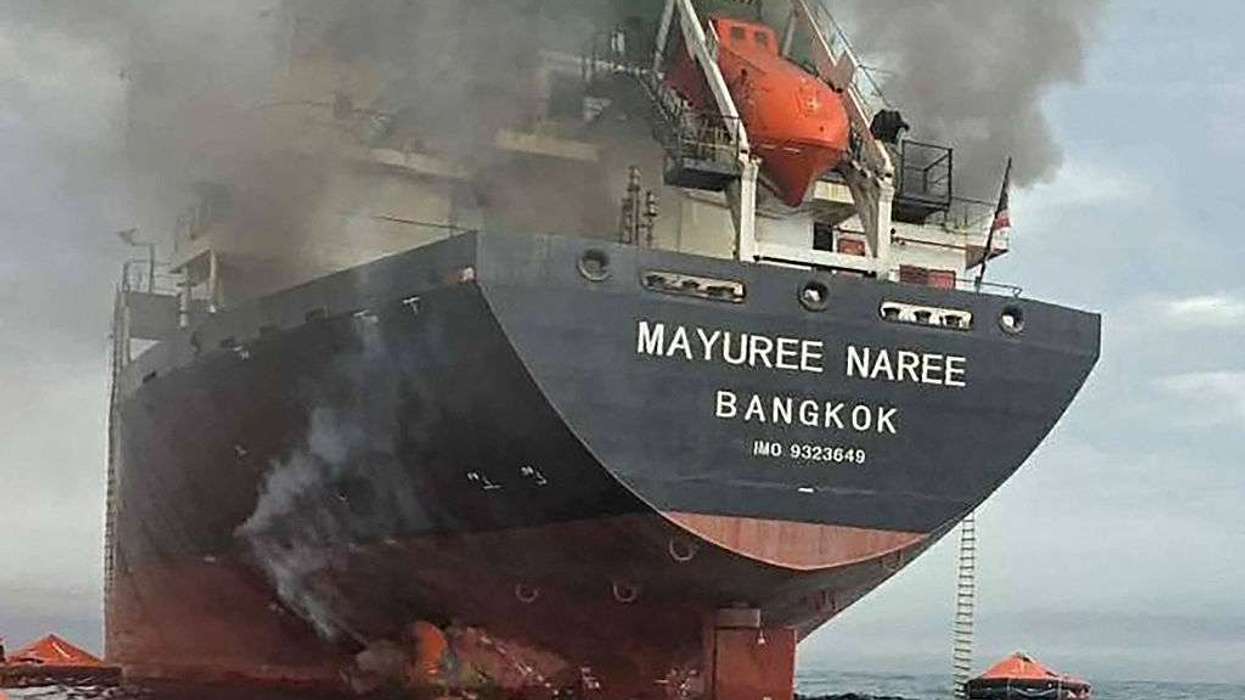
Tehran has largely blocked the Strait of Hormuz in response to the attacks. About 20 per cent of global oil and gas passes through the route. Araghchi said the strait was “closed only to enemies”.
“There is no reason to allow the ships of our enemies and their allies to pass,” he said.
Iran also warned it could block the Bab el-Mandeb Strait if the United States launches a ground invasion.
US Central Command chief Admiral Brad Cooper said the United States had hit two-thirds of Iran’s missile and drone production facilities and a similar share of its naval production. He said Iran’s drone and missile launch rates were down by 90 per cent.
Iran has continued attacks on Israel and Gulf countries. Saudi Arabia said it intercepted at least 18 drones. The United Arab Emirates responded to missile and drone attacks. Bahrain reported a fire at a facility caused by “Iranian aggression”. Kuwait reported a missile and drone attack, a day after a drone hit a fuel tank at Kuwait International Airport.
In Abu Dhabi, two people were killed and three were wounded by falling debris after a missile interception, officials said.
In Israel, six people were lightly injured in missile attacks, medics said.
The war has also involved Lebanon, where Hezbollah began firing rockets into Israel on March 2. Hezbollah chief Naim Qassem said negotiations would amount to “surrender”. The group launched missiles at military sites in central Israel on Thursday and said it carried out more than 80 attacks on Wednesday.
The Israeli military said a soldier was killed in fighting against Hezbollah in south Lebanon.
Prime Minister Benjamin Netanyahu said Israel had “created a genuine security zone” in southern Lebanon and was expanding it.
“We are simply creating a larger buffer zone,” he said.
The United Nations Secretary-General Antonio Guterres called on both sides to stop fighting.
Kuwait said it had arrested six people allegedly linked to Hezbollah who were planning “assassinations”.
Iran’s parliament speaker Mohammad Bagher Ghalibaf warned of a possible attempt to occupy an Iranian island with support from a regional country.
Several Gulf countries and Jordan called on Iraq to stop attacks launched from its territory by pro-Iran groups.
Pakistan’s defence minister Khawaja Asif, whose government has offered to host talks, criticised the impact of the conflict.
“The goal of the war seems to have shifted to opening the Strait of Hormuz, which was open before the war,” he posted on X.
Markets reacted to the developments. Oil prices rose while equities were mixed. Brent crude was just above $100 and WTI around $90. Stocks in Wall Street and Europe rose, while Asian markets fell after a two-day rally.
South Korea said it would roll out a $17 billion “wartime” supplementary budget and expand fuel tax cuts to respond to rising energy prices.
(With inputs from agencies)