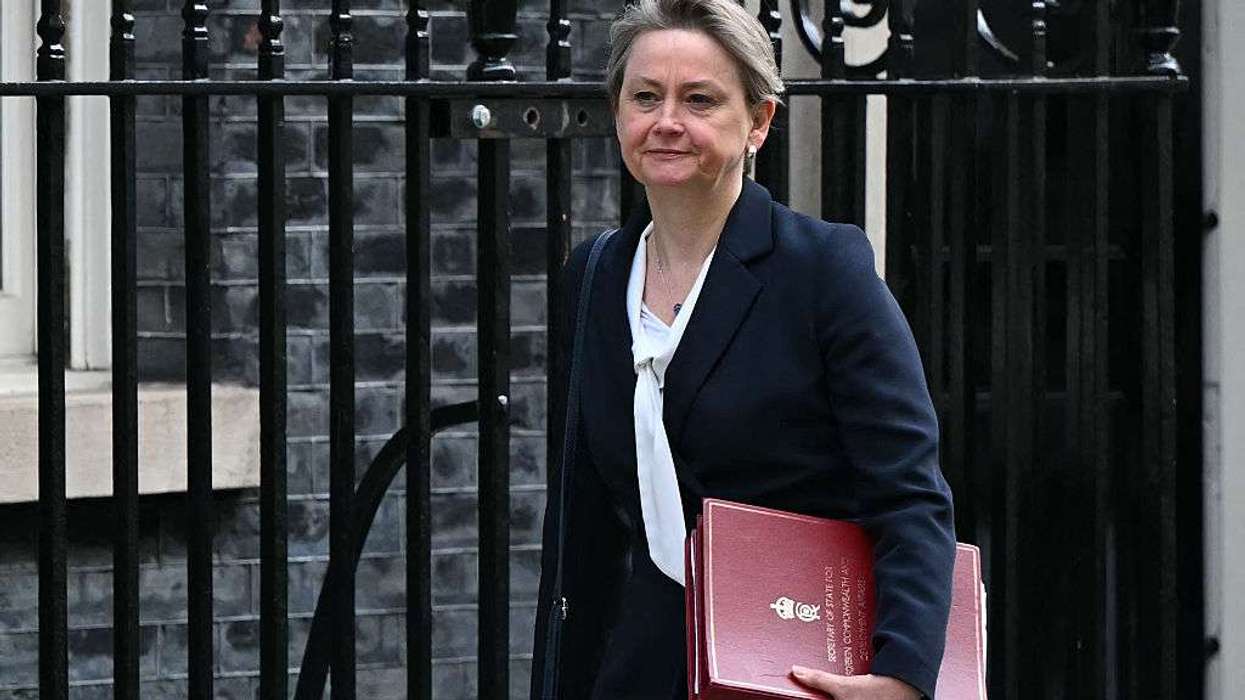

"The lady is not for turning" was Margaret Thatcher's most famous political soundbite. Maybe it is because Shabana Mahmood is home secretary in a government much more prone to u-turns that she too wanted to strike an uncompromisingly Thatcheresque tone when rejecting calls to rethink her immigration policies last week.
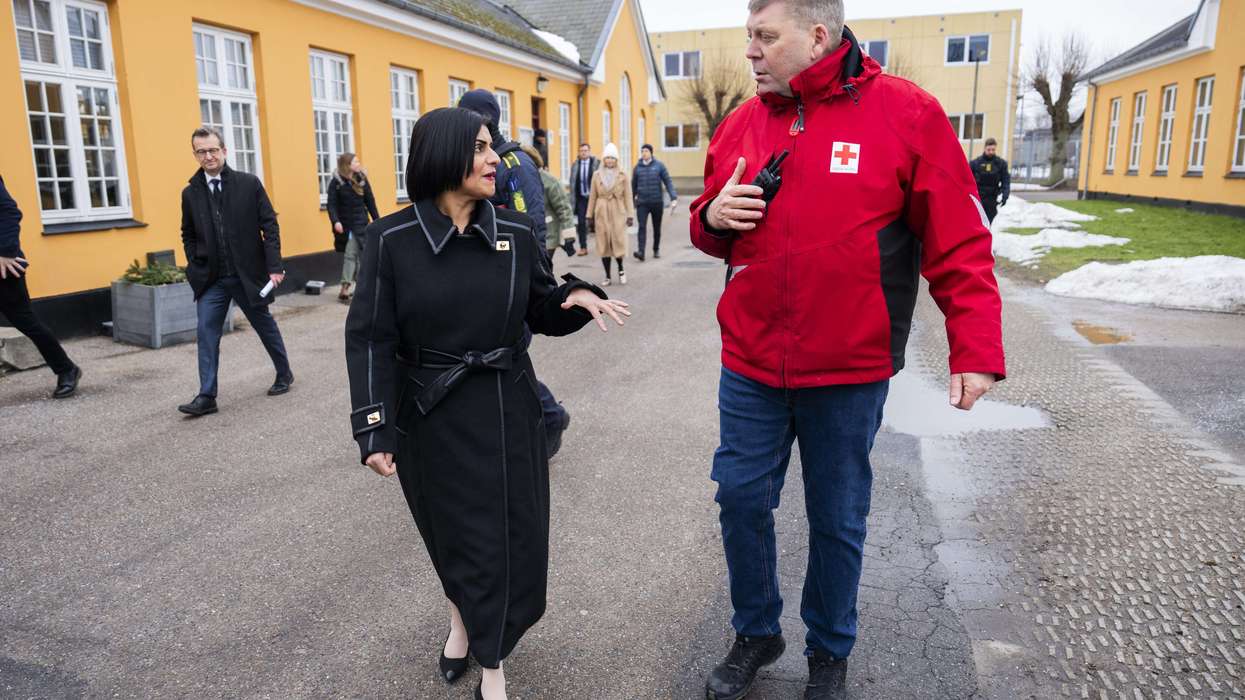
Mahmood was the most vocal, visible minister debating the lessons for Labour after its first by-election defeat by the Green Party. A front-page Daily Telegraph splash warned against any "lurch to the left" on immigration. A trip to Denmark extolled Scandinavia getting tough on asylum. Finally, a speech to the IPPR think-tank sought to persuade a progressive audience that this reflected the Labour values to steer a course between the "open borders fairytale" of Green Party leader Zack Polanski and the "deportation nightmare" of Reform leader Nigel Farage.
Triangulation has been common in politics since New Labour, but that wide open space spans every Labour critic or supporter of current policy and most LibDems and Tories, too. Yet Mahmood’s political jibe suggested it had not been Polanski’s Greens, but “the Tories who provided the living experiment of open borders” shift to triangulating Priti Patel and Farage, instead. Indeed, Mahmood and prime minister Sir Keir Starmer’s asylum reforms copy the core theme of then home secretary Priti Patel’s 2022 asylum bill, but harden the details.
While Patel proposed temporary refugee protection for boat arrivals, but not those on legal resettlement routes, Labour has made protection temporary for all refugees. Patel suggested five years for permanent status for legal routes, and 10 for boat arrivals, but Labour proposes to hike that to 20 years, reviewing claims every 30 months. Such extraordinary timelines are unprecedented anywhere. There should be a 10-year ceiling on the anxiety of unsettlement.
Mahmood warns that Labour can achieve nothing else in government if it cannot control dinghies in the Channel, since it needs people to believe in the state. But will her reforms work? Labour is more pragmatic than the Conservatives became under Suella Braverman. Her 2023 halt on processing any claims from boat arrivals created the disastrous asylum hotel backlog. But if even an asylum ban did not stop the boats, Mahmood’s hope to reduce “pull factors” can only have a marginal impact.
The Conservatives did see record numbers come on visas. So Mahmood wants to double and treble how long it takes those who came to get permanent status. In the Gorton and Denton constituency, 1500 people were among 300,000 signatories petitioning parliament against this. More than a hundred Labour backbenches have signed a letter challenging the fairness of dramatic rule changes for those already here. Mahmood insists she must.
“That means applying any rule changes to those who are in the UK today. If we do not, we will see a £10 billion pound drain on our public finances”. But this claim falls apart under scrutiny. The government does project a £9.5 billion lifetime fiscal cost of migrants on social care visas staying, mostly arising after they retire in 30 years’ time. The government’s policy - to let them settle a decade later - appears to make little difference to this, unless it tells them all to leave. The Home Office told me that Mahmood’s words do not actually claim her policy would save that £10 billion, but would not give the actual saving. MPs will surely insist on having the real numbers.
Taken seriously, Mahmood’s challenge as to how her critics could fill that fiscal gap may boomerang back on her. The Starmer government is willing to take a significant public finances hit to reduce migration, but not yet to account for it. Chancellor Rachel Reeves’ spring statement fiscal headroom relied on the Office of Budget Responsibility anticipating net migration averaging 235,000, ticking back up to 290,000 by 2030. Every 100,000 below those numbers cost the public finances about £7bn.
But the Treasury and Home Office have incompatible future expectations. Mahmood sees last year’s net migration level of 205,000 as too high, pledging more action to bring it down to “sustainable levels” - but this government has never defined what it thinks a “sustainable” level would be. Few realise net migration is on track to fall to zero during 2026 with net emigration likely in 2027. There would be real costs to accidentally eliminating net migration, entirely.
Mahmood’s opening salvo for no change on immigration may not be the final word in Labour’s immigration debate. The future politics depend on what happens after May’s elections. Should they trigger a Labour leadership contest, Mahmood would have to decide whether to pitch this Labour values case as a candidate herself - or whether to try to persuade others that she has got the policy and politics right, instead. How to balance control with contribution and compassion, to push back against the politics of remigration and racism will remain a key exam question in Labour politics.