Skip to content
Search

Latest Stories

Submit Guest Post

Indian toddler stuck in well found dead

A TWO-YEAR-OLD boy who fell into a well while playing outside his house in southern India died during an 80-hour-long rescue operation, state authorities said on Tuesday (29).

Sujith Wilson fell into the deep open well on Friday (25).


Well falls are not uncommon in rural India where holes are often dug illegally and left open. In recent years, cases of children falling into such wells have been recorded across the country, many of which led to arduous yet usually successful retrievals by paramilitary and rescue forces.

Last week, state authorities dug a hole parallel to that in which Wilson had fallen in a bid to reach him.

Rescuers pumped in oxygen only to find the child's decomposing body.

The death provoked anger in Wilson's village of Nadukattupatti in Tamil Nadu state, where villagers monitored the rescue attempt and later attended the boy's funeral.

The boy's family accused the local government of "negligent behaviour" but officials said rescue teams made all possible effort to pull the child out.

(Reuters)

Add EasternEye As Your Trusted Source
preferred source on google news

More For You

UK Farmers

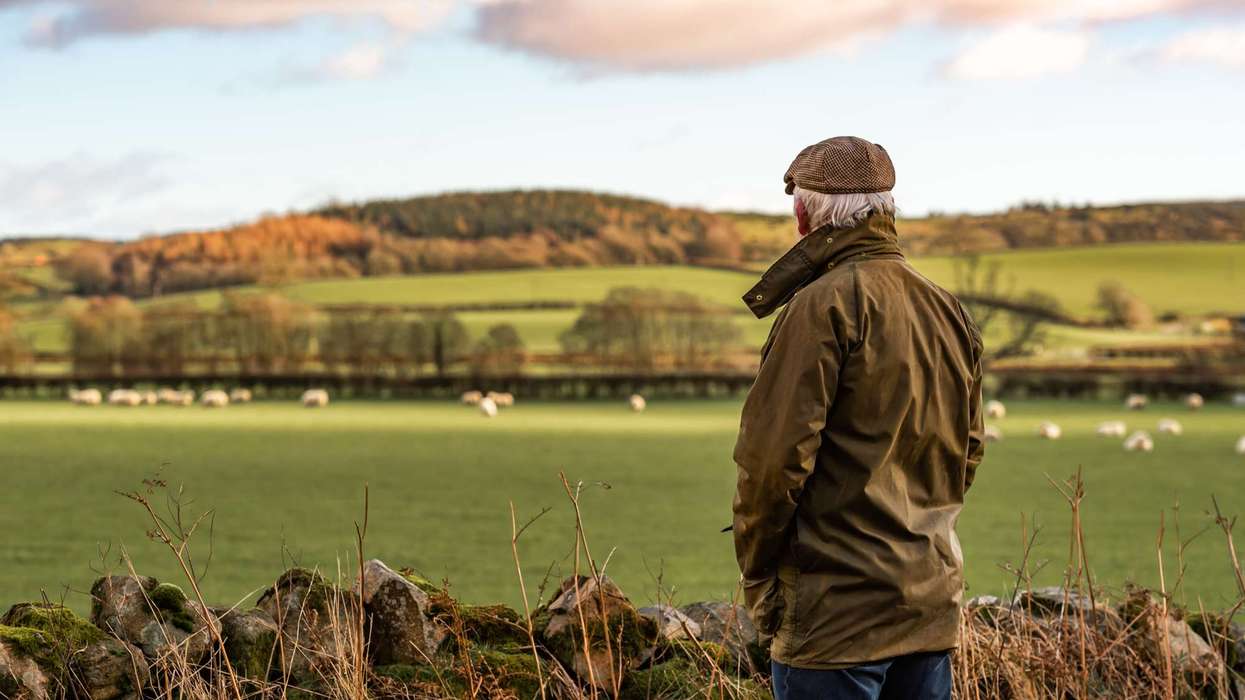
Farmers are bringing in crops early as prolonged drought puts yields and water supplies under pressure

iStock

Britain puts £65m behind farmers as drought starts threatening the country’s food supply

  • Farmers in England will receive an additional £65m in support.
  • £15m will help fund on-farm reservoirs for future dry periods.
  • Britain is facing its third drought in five years.

Britain is putting £65 million into emergency support for farmers as the country's prolonged drought begins to threaten not just agricultural incomes but the reliability of its food supply.

Prime Minister Andy Burnham announced the package on August 15, after England and Wales recorded their driest July on record. The support will go towards sustainable farming, new on-farm reservoirs and making it easier for farmers to access water during periods of shortage.

Keep ReadingShow less